








Don’t Be That Guy! A Guide To Competitive Wargaming Etiquette
November 16, 2026 by avernos


Zoidpinhead is back once again to delve into the world of tournament wargaming. This time, instead of his journey, he's decided to take a look at the do's and don'ts that we should all be considering when joining the competitive wargaming scene.
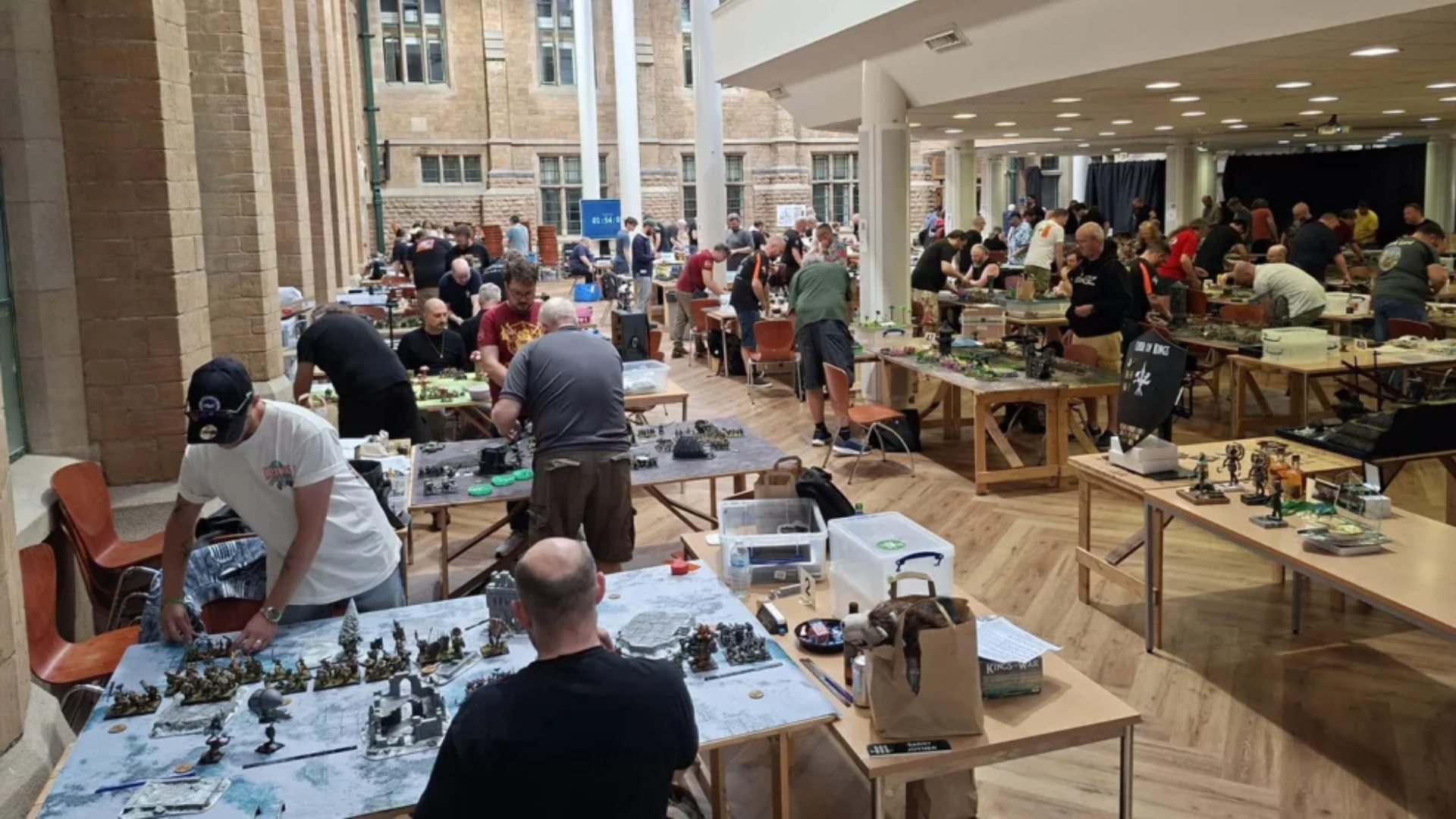
This year I was a new starter in competitive gaming. I’ve been pleasantly surprised by how welcoming, pleasant and friendly my fellow gamers have been. That’s certainly at odds with the anecdotes I was told before I started. It seems to be a common trope amongst some in the hobby to regard competitive players as “other”. A group distinct and somehow different. This is reinforced by stories of rude, strange or unpleasant behaviour experienced in competitive play. Examples abound online too. Check out this classic:
The commentator in this video incorrectly accuses the players of “trolling” for bringing a deck of 2222 cards that couldn’t be shuffled and filling it with effect cards that required shuffling. It was a joke. Perhaps one making a wider point about the lack of a specific rule limiting deck sizes, but nevertheless it was done for laughs. Reportedly it was taken in that spirit by the players and judges on the day. Sadly, other reports of poor behaviour suggest more thoughtless, or even malicious, intent.
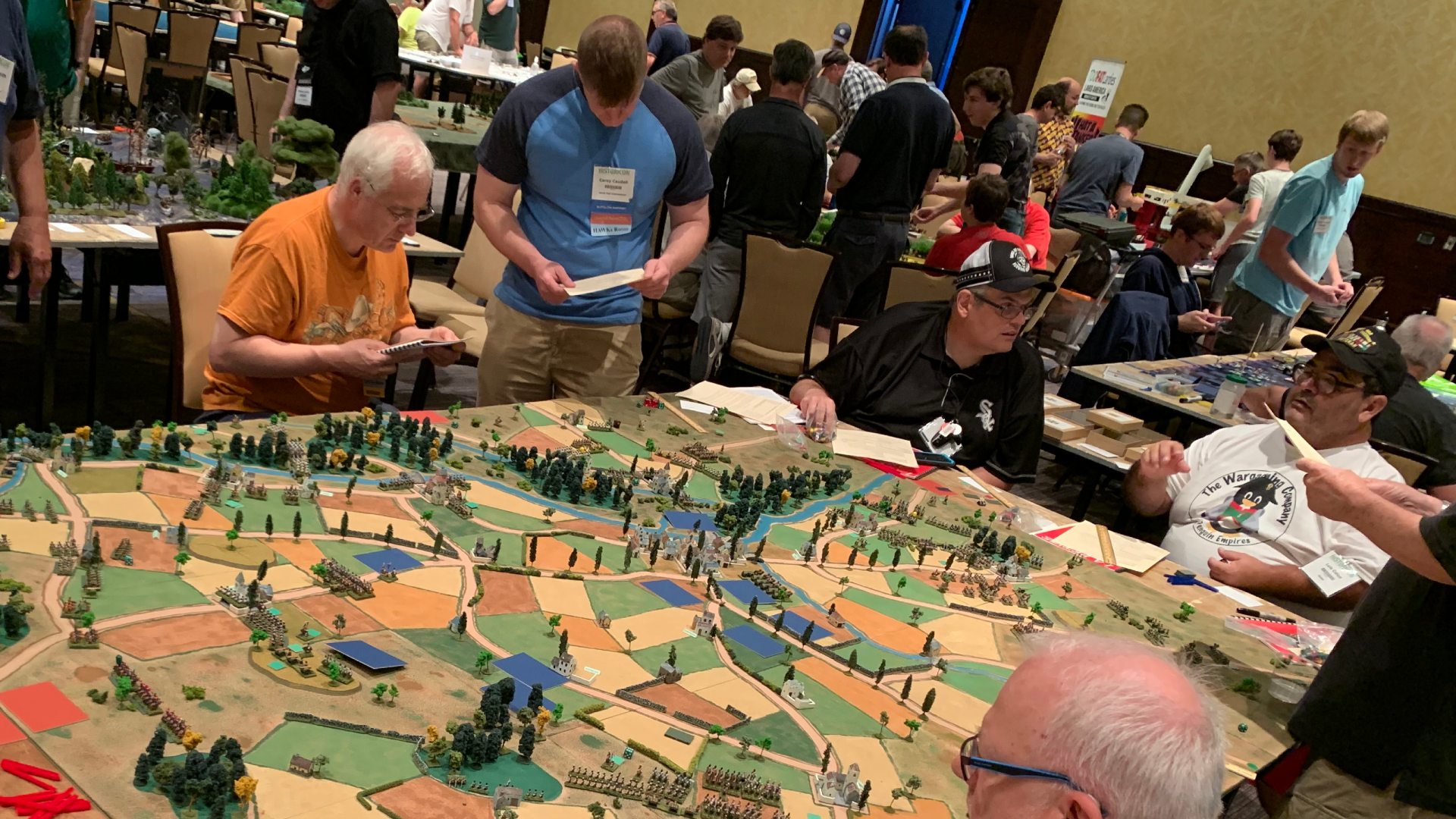
To guard against this, many organised play settings staff their tournament with officials called judges, referees or Tournament Organisers (TO’s) to make rule adjudications and enforce a published guide to behaviour and etiquette.
Do We Need Etiquette Guidance?
Anyone who thinks that human behaviour can be managed using universally accepted notions of “common sense” doesn’t have any experience of organising humans. Although a highly socialised species, we do have a broad streak of contrary in us. It is more than useful for everyone concerned if there is clear guidance issued for an event. It is expected and helpful for a tournament information pack to include: the date, start/finish times, location, timings of the day, army point count, and presentation standards. Likewise, it is also useful and necessary to provide a player conduct guide.
Increasingly, tournaments are using venues where adjustable-height tables, wheelchair accessible facilities and proper seating are available. These are all ways for tournaments to be more open and inclusive. Not everyone has the same understanding of social situations. Our hobby is attractive to many neurodivergent people. Some rules and guidance for things they might find confusing or concerning are both helpful and another way of being more fully inclusive.
Approaches From Different Communities
Kings of War
As befits a global scene, there are different approaches in different places. In the UK, the Masters UK guidance is generally accepted and referenced across the UK scene when TOs don’t provide their own. In the US, the approach is different, and they include a score for “Sportsmanship” in many tournaments, which contributes to the overall score (soft score) a player gets, and in some cases this is the score submitted for ranking tournament (Masters) points.
Warmachine/Hordes
As well as sportsmanship being formally covered in the core rules, there is an annual tournament pack issued by Steamforged Games to guide tournament players. This requires a download but, like the electronic core rulebook, is free. The top competition in Warmachine is the World Team Championship, and this provides additional guidance on player expectations.
Warhammer 40,000
There is tournament guidance published by GW, such as for the Warhammer World GT: The specifics of etiquette and sportsmanship are avoided for more generalised comments on winning and losing with “skill and grace”, whatever that is supposed to mean.
Historical Games
There is less emphasis on tournaments in the historical scene as this is both smaller and more diverse. There are tournaments organised by individuals and clubs, and some wargames shows also have a significant tournament component, e.g. Warfare at Farnborough, which has tournaments for 25 games. The organisers (Reading Wargames Club) provide a conduct guide that covers behaviour expected of all attendees.
Direct guidance is less common with individual TO’s providing tournament packs, but often there is nothing specific, or it is just general behaviour hints such as this for Bolt Action. Some scenes also adopt the Sportsmanship scoring approach, such as Flames of War.
Cheating
Although not common at all, there are some examples of cheating in competitive gaming. Clearly, for some, the short-term high from winning is more important to their sense of self than the long-lasting reputational damage that results from getting caught. Tournaments aren’t a good place to try to cheat. There is so much oversight and supervision available. For those who insist, there are common measures in place. Cheating is associated with a nasty set of personality traits called the Dark Triad. Look that up if you want to know why cheaters aren’t nice people.
Dodgy Dice
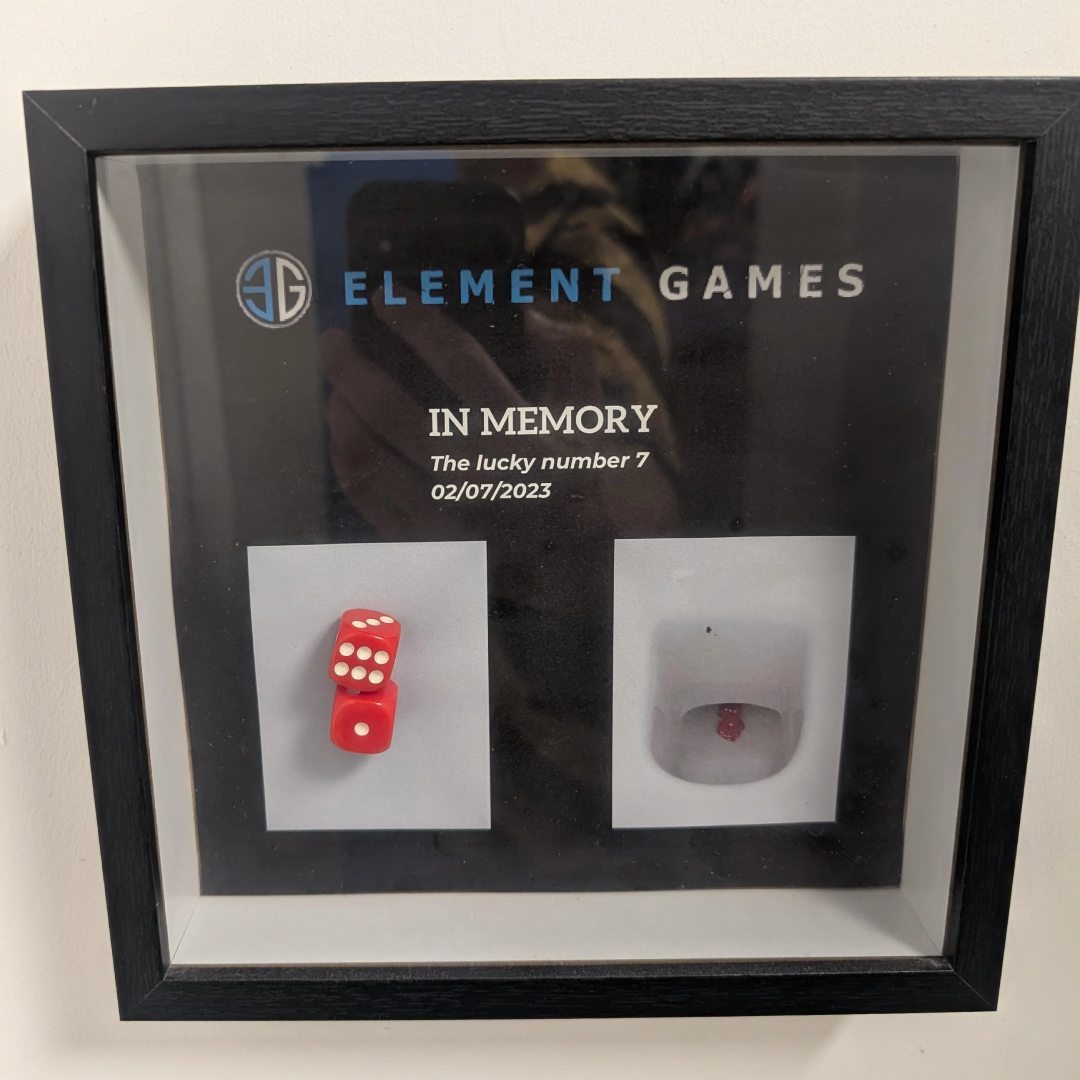
I’m sure everyone has heard about players who have manipulated their dice in some way, either by baking them or, in these more modern times, printing a set with a built-in weight adjustment. Most TO’s will test a set of dice on request if the rolls are suspicious and will have a set of “tournament dice” which they can provide to a player if they are felt by their opponent to be unduly “lucky” with their own dice.
Dodgy Movement
In most games using lines of sight, the angle a unit is placed at is vital. Likewise, the process of key movements like charges is often specific and detailed. In a competitive situation, tiny distances and fractions of an angle are important. It isn’t unknown for players to be a bit “clumsy” around their miniatures and end up “nudging” a unit into a more favourable position.
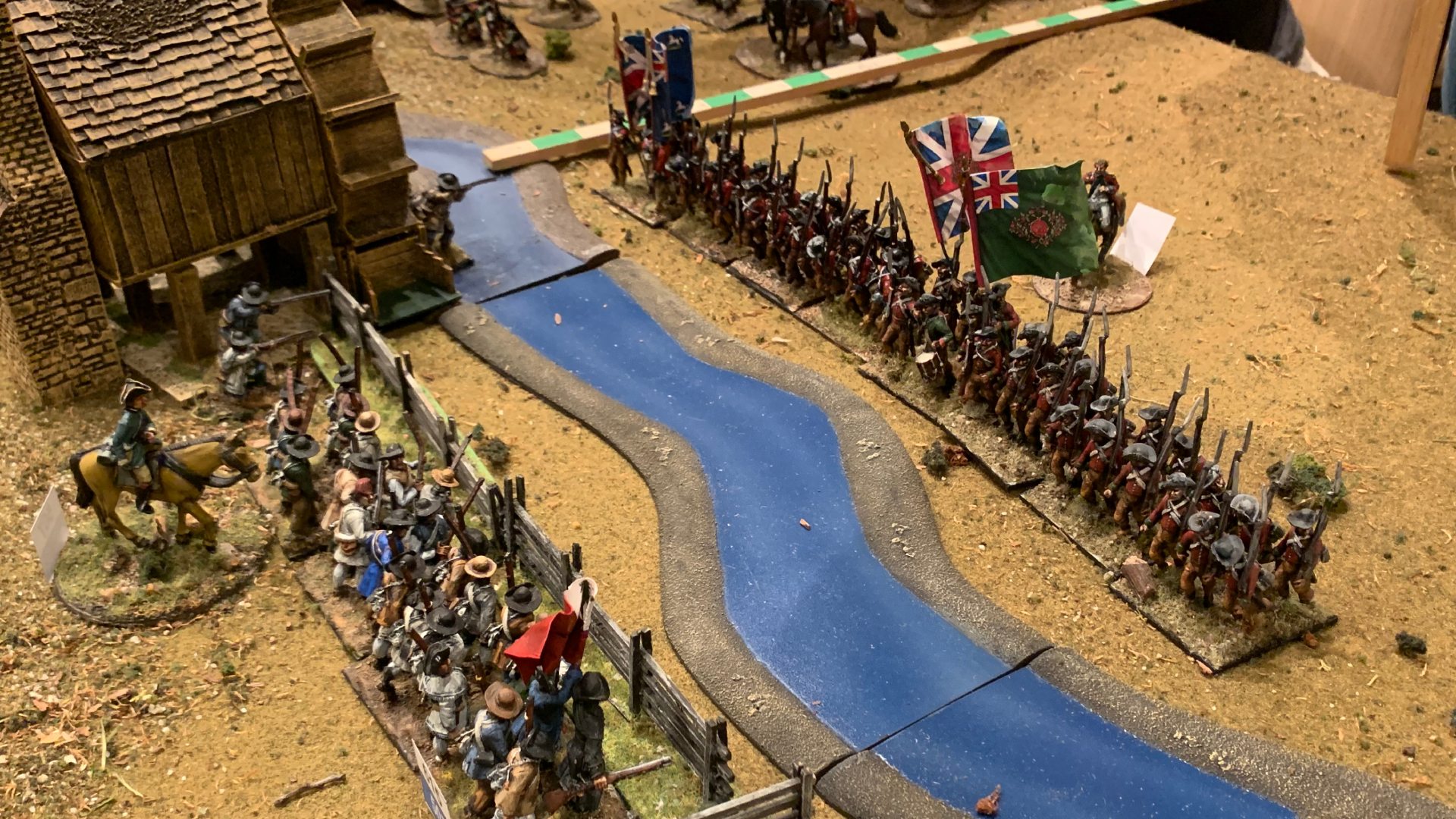
Likewise, just picking up a unit and placing it into combat with no marker to show where it came from or measurement to show how far it moved is more than just rude. The opponent should be walked through how that charge works within the requirements of the rules, and the unit’s starting position clearly marked so it can be put back exactly where it came from if necessary.
Errors and Omissions
It isn’t cool to hide relevant information about your army, and especially so when playing an opponent whom you don’t know. Every tournament game has time built in for players to exchange army lists and formally explain what each unit looks like and what abilities they have. Never be afraid to ask an opponent to explain what a key word, spell or ability is or does if you aren’t familiar with it. Any opponent should be willing to do this. An encyclopaedic knowledge of the army-specific rules, amendments and options shouldn’t be expected. Whilst you are expected to know the rules and play using the correct version of updates or FAQs, that doesn’t extend to having to know everything in every army book. Most wargames have thousands of possible options in list building, so make sure you tell, and if you don’t know, ask.
Errors of understanding and interpretation can occur, especially if you don’t play regularly or against a range of different opponents. If there is a disagreement about how a rule works, then clearly state, as politely as possible, how you think the rule should work and, if needed, refer to the rulebook. If this is a timed game, then it is acceptable to agree to pause the clock to do this. If necessary, a TO will be close at hand to make a ruling. Their ruling is always final, even if it is subsequently shown to be incorrect.
Mistakes and Take Backs
Mistakes happen, and they can’t be called cheating, as that requires an element of deliberate intention. If an error is made and not spotted by either player at the time (and play continues past a point where it can be unpicked), then just play on. It was an honest error. You should play using the correct rules. Once a mistake is spotted, subsequent actions must be legal; don’t perpetuate the mistake. Small errors are rarely decisive in the outcome, so nobody needs to stress about it.
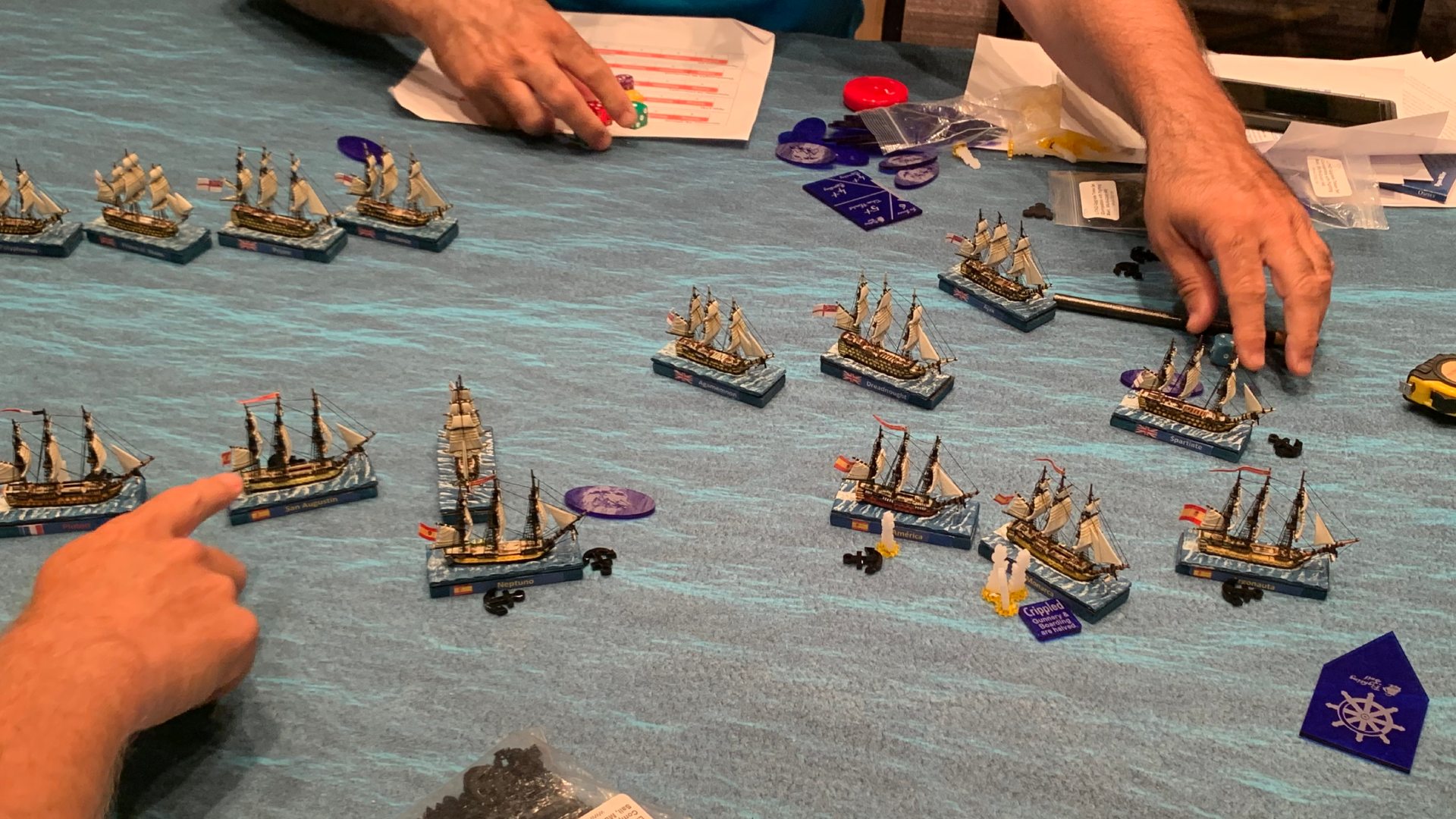
More commonly, a mistake takes the form of a player forgetting to do something in the correct phase of play. Most players are cool with stopping and going back to correct the error or to complete the missed action (a take back). Generally, it is okay to ask to do this if the material state of the game hasn’t changed in the affected area of the board. Some gamers would say that there shouldn’t have been any chance effect (dice rolling) that would need to be redone either. For example, if you have passed your turn to your opponent who has started their movement phase and then you remember you forgot to fight a combat, it can be fought if your opponent hasn’t rolled dice or moved any of the affected units. You should ask politely as soon as you notice you have forgotten and be prepared for an opponent to say “No”. It should be part of the tournament pack if take backs aren’t allowed at all. Some players don’t like it and may state in the introduction phase before set-up that they don’t ask for or agree to take backs.
It is rightly considered excellent sportsmanship to remind an opponent who has forgotten something during their turn. This negates the need for a time-consuming and disruptive take back and is likely to see you getting a very good sportsmanship score if that is in use.
Gotcha!
Nobody likes a sudden nasty surprise. Many tournament scenes ask players to play with a verbal commentary to explain to the opponent what they are doing and what the intention is. In many rules, this ‘stated intention’ is then the correct game state. So an exchange occurs between Player A and Player B like this:
Player A: I’m moving this unit of spearmen up to these woods. I’m angling them so that the archers opposite can’t see them to shoot them.
Player B: In that case, please can you move them a bit further to the right? There is a clear line of sight from the archers to where they are at the moment.
Player A: Thanks. [Moves spearmen to the right]. There we go then, how’s that now?
Player B: That’s great, thanks. The archers can’t see them now.
Now, no matter what, the stated intent has agreed the archers can’t see that spearmen unit. Even if Player B, on their turn, uses a laser line and finds that, actually, the archers can still see them past the edge of the woods, the stated intention is used, and the archers can’t shoot at them.
This doesn’t mean you can’t do a move the opponent isn’t expecting. As long as a move is legal, it is allowed. If the opponent didn’t see something you have seen, and there was nothing in the stated intention to stop you, then you can definitely do it. There is still a right way to do this, which is to politely explain the move you have seen and show the opponent what can be done before touching models or rolling dice.
Conceding
It can be no fun playing a game you are losing badly. In tournament play, you have a duty to fully complete a game to the best of your ability, even if that means getting tabled. You shouldn’t play in tournaments if you just want to give up and concede when things go badly for you. It feels very hard to call this behaviour cheating, but it is definitely very bad form.
Painting Armies
All tournaments have guidance that says armies need to be painted. Again, it isn’t cheating to not paint your army, but you may end up disqualified as TO’s have the right to refuse to allow units/armies to be used that don’t meet the expected standard. Painting is time-consuming and not everyone’s favourite pastime. Nonetheless, you will see many beautifully presented armies that clearly result from many hours of effort and enthusiasm.
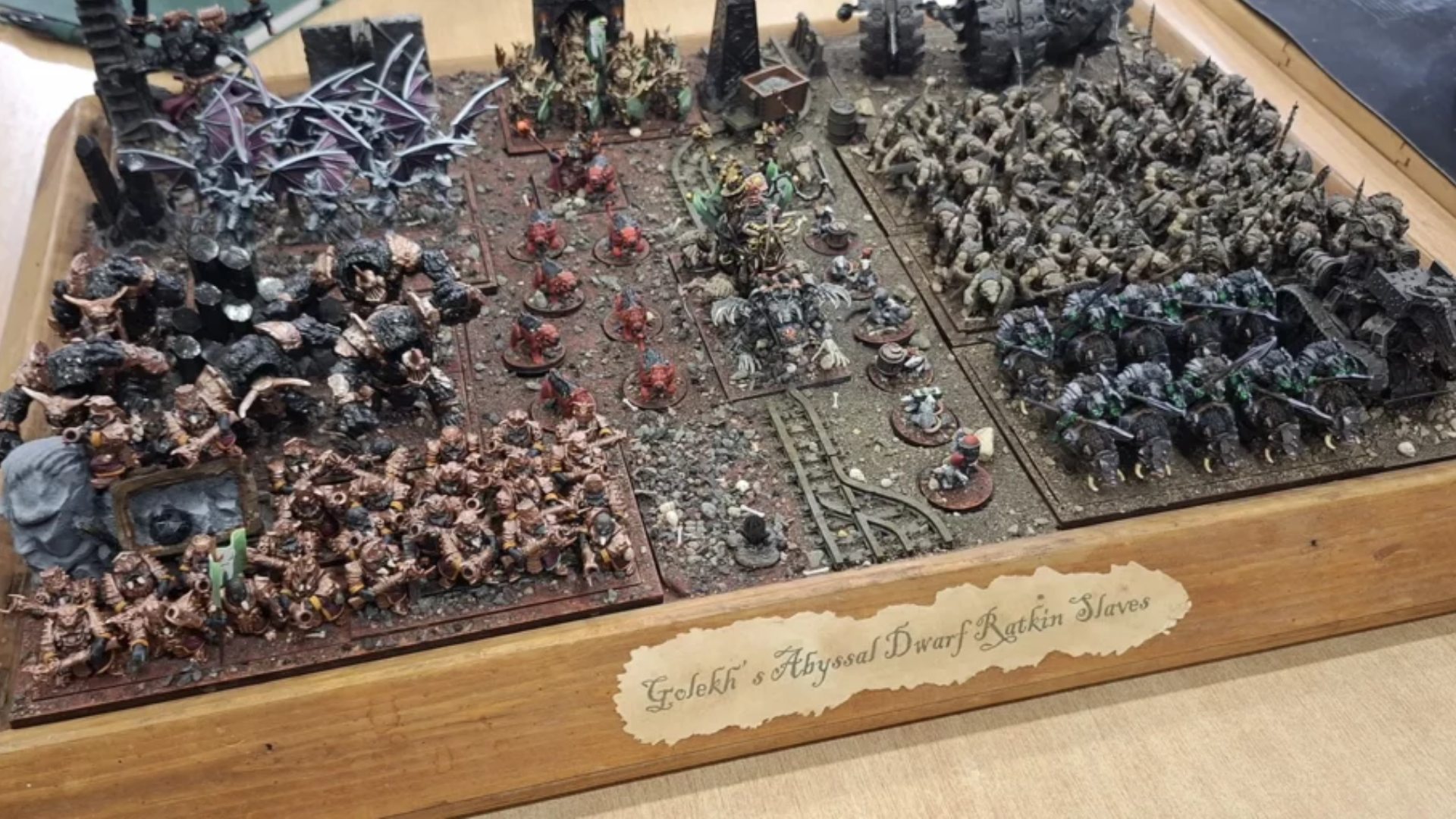
Please do try to get a sufficient amount of paint onto your miniatures. Nobody will mind if they don’t look the best, but they must look like the unit they represent on your army list. You show respect to your opponent, the tournament and the whole hobby by playing with an army painted as well as your skill and time allows.
Timed Games
Many tournament games are played to time limits, and in some cases timing is part of the gameplay. In Kings of War tournaments, players use a chess clock with an allocation of around 60 minutes each. When the timer runs out, it is automatically dice down and turn over. Your opponent continues to play with whatever turn/s and time they have left, and you can’t do anything else, so time management is very important.
Some tournaments provide a guide time or round end time by which point all games need to finish. These provide a firm time structure to the day and allow the TO’s to record the scores and work out the next match-ups.
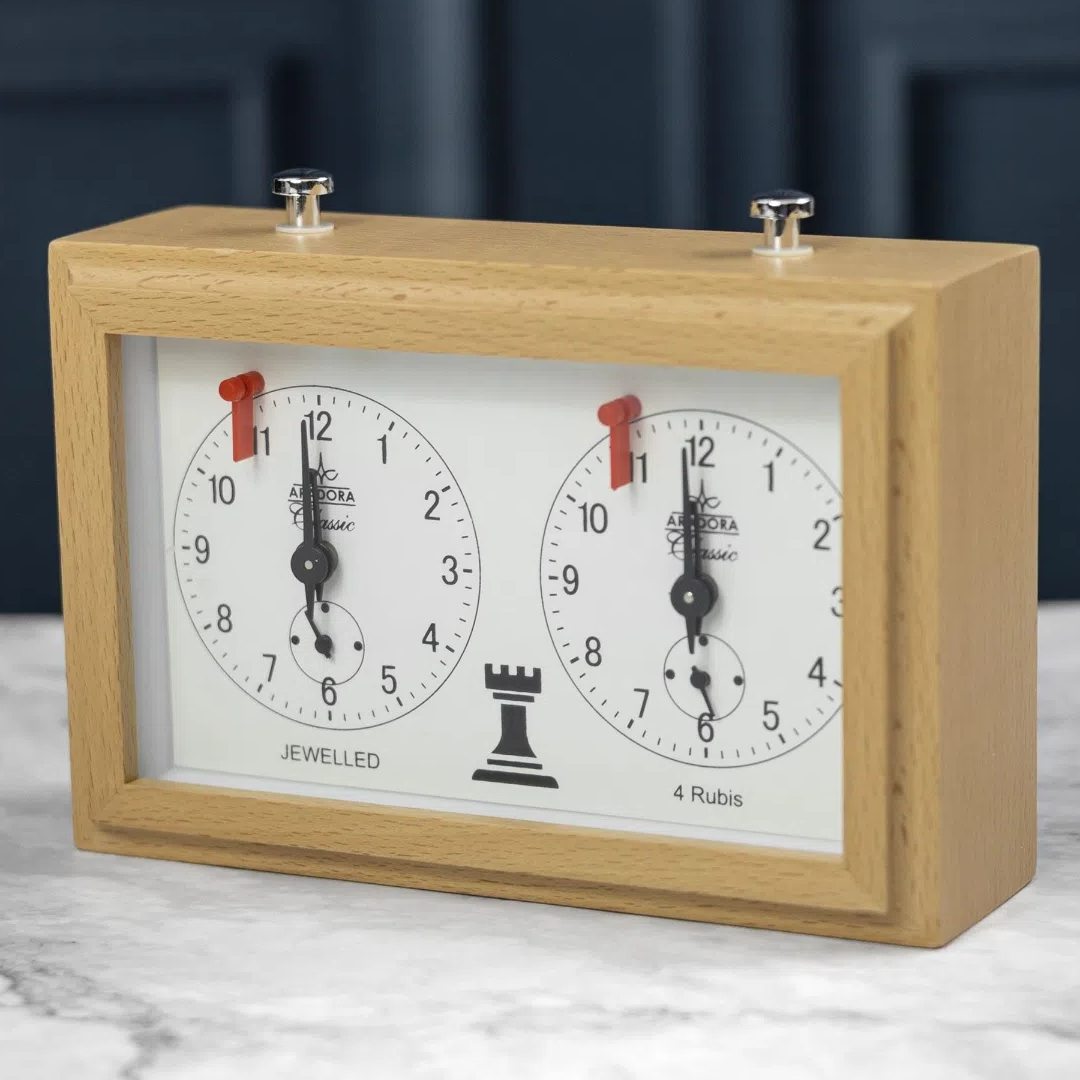
It is cheating not to follow the tournament rules about timing. If your game hasn’t finished at the clock expiry time or round end time, you cannot carry on playing, even if both players agree to keep going. You are getting an advantage over all the other players by continuing to play when they have all had to stop. The TO and all the other players now have to wait for you to finish before round scoring and match-ups can be finished. Rude!
Zoid’s Tournament Etiquette Template
Here are the basics I’ve distilled from all of the different guides, rules and advice I found:
- Preparation. Read the tournament pack carefully and follow all of the instructions and advice given. Finish painting your army as well as you can and use miniatures that look like the unit they represent on your army list.
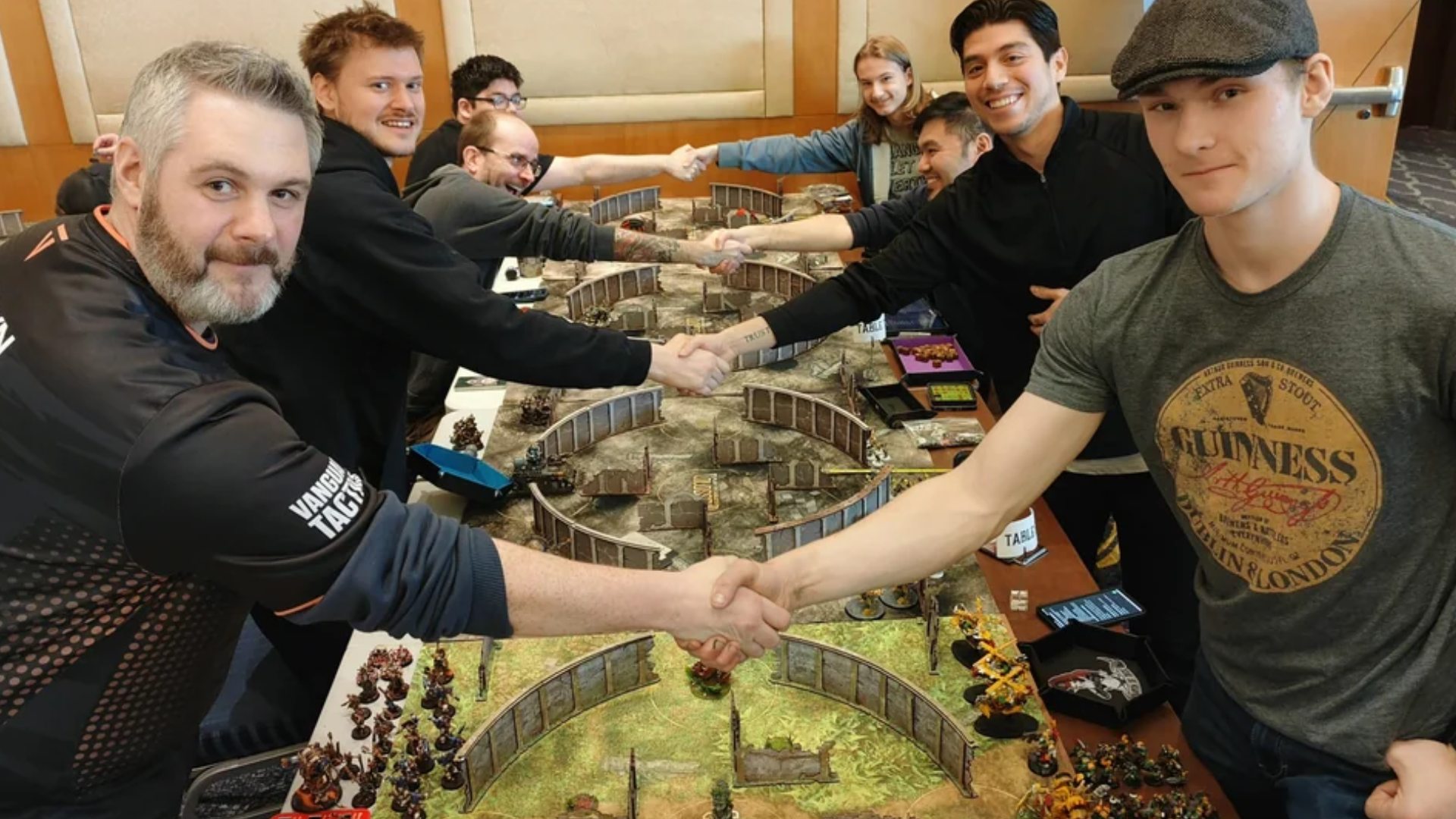
- Anticipation. Approach the day in the right spirit. You and everyone else are here to play games and have fun. You won’t win every game, so think ahead about how to behave well when you lose, as you will always shake hands and say thank you after a game.
- Introduction. Be organised and on time. Say hello, introduce yourself and shake hands. Have printed copies of your army list ready to hand to your opponent and carefully explain what each unit is and if there are any unusual abilities or rules being used.
- Intention. Accompany your play with a clear commentary about your actions and their intention. Respond politely to your opponent’s questions and comments. Do likewise in their turn, which you should give your full attention to.
- Movement. Mark any unit before moving when the move is likely to be a cause for discussion, especially charges. Ensure movements are measured and rotations clear. Don’t touch units once their movement is completed.
- Dice. Agree before the game what constitutes a cocked die. On each roll, explain and state your target number and roll dice clearly, giving the opponent time to see what happened. Using a dice tray can make the process clearer and reduce the chance of dice interfering with the miniatures on the table.
- Mistakes. If you are concerned about an intended action, politely ask before it happens. If takebacks are allowed, then alert your opponent immediately if you notice you or they have missed something.
- Rules. If a rules question is raised, immediately consult the rulebook for the evidence to support an answer and ask to pause the clock if that is taking time. If an issue cannot be resolved between the players, then call for the TO. Their decision is final.
- Time. Start promptly and ensure you only play within the time allowed. You must stop immediately if time expires, even if you are at an exciting part of the game. Report results quickly and accurately.
- Respect. Be patient with your opponent, especially if they are inexperienced. Ask before taking photos or touching an opponent’s miniatures. Be excited in the right way, tempering volume and language to the needs of all participants and observers.
Finally and most importantly…
Cheating. Don’t.
If you are concerned about an opponent’s actions, then politely ask for a bathroom break and consult with a TO. If you don’t feel comfortable doing that, then play out the game and speak to a TO immediately after.
by Zoidpinhead
"I’m sure everyone has heard about players who have manipulated their dice in some way..."
Supported by (Turn Off)

Supported by (Turn Off)
"If you are concerned about an opponent’s actions, then politely ask for a bathroom break and consult with a TO..."
Supported by (Turn Off)











Nice write up! ‘stated intention’ has gotten used in our friendly games just to make sure gameplay isn’t interrupted by arguments.
Makes a lot of sense. Also a big fan of the 4+ roll off if you can’t decide but stated intention is so incredibly handy