






Winged Hussars! New 28mm Polish Miniatures Kickstarter Preview
August 13, 2026 by avernos

Over the last couple of months, I've been seeing posts from a brand new company working on a range of cavalry, and this Sunday, Hetman Miniatures will launch their first campaign on Kickstarter to bring to life the core of a Renaissance Polish army.
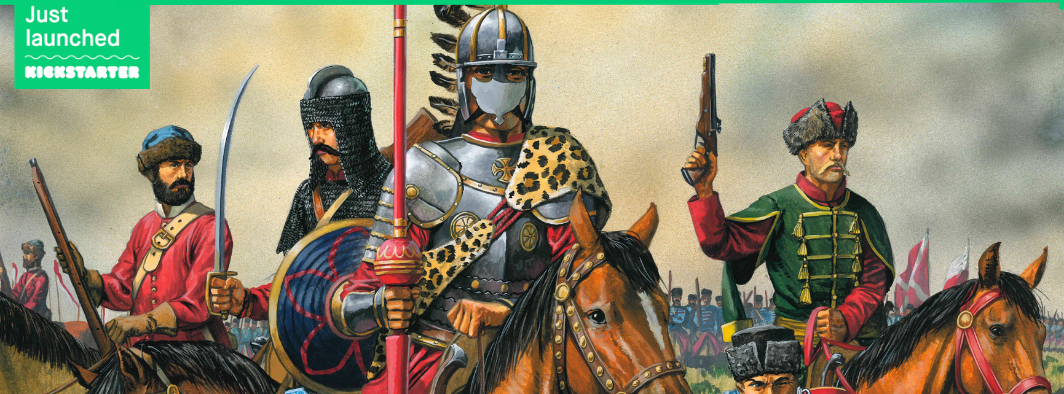
Late 17th Century Polish Miniatures Kickstarter
Fancy adding some legendary Polish cavalry to your tabletop? This Kickstarter is bringing the famous Winged Hussars, armoured Pancerni, Light Cavalry, Mounted Dragoons and Wybraniecka Infantry to life in a new range of 28mm miniatures. With thirty-four detailed sculpts available as both metal miniatures and digital files, there’s plenty here to catch the eye of historical wargamers and collectors alike.
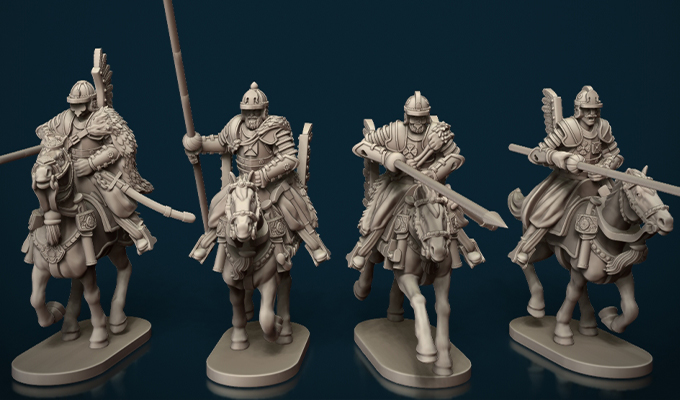
Polish Winged Hussars // Hetman Miniatures
The Polish Winged Hussars were the elite heavy cavalry of the Polish army, renowned for their speed, discipline and devastating charges. By the late 16th and 17th centuries, they had evolved from the lighter Hungarian and Serbian-style hussars into a highly trained, hard-hitting cavalry force that could deliver powerful attacks while retaining impressive manoeuvrability. Their training, prestige and high cost meant they remained a relatively small but formidable part of the Polish-Lithuanian Commonwealth’s armies.
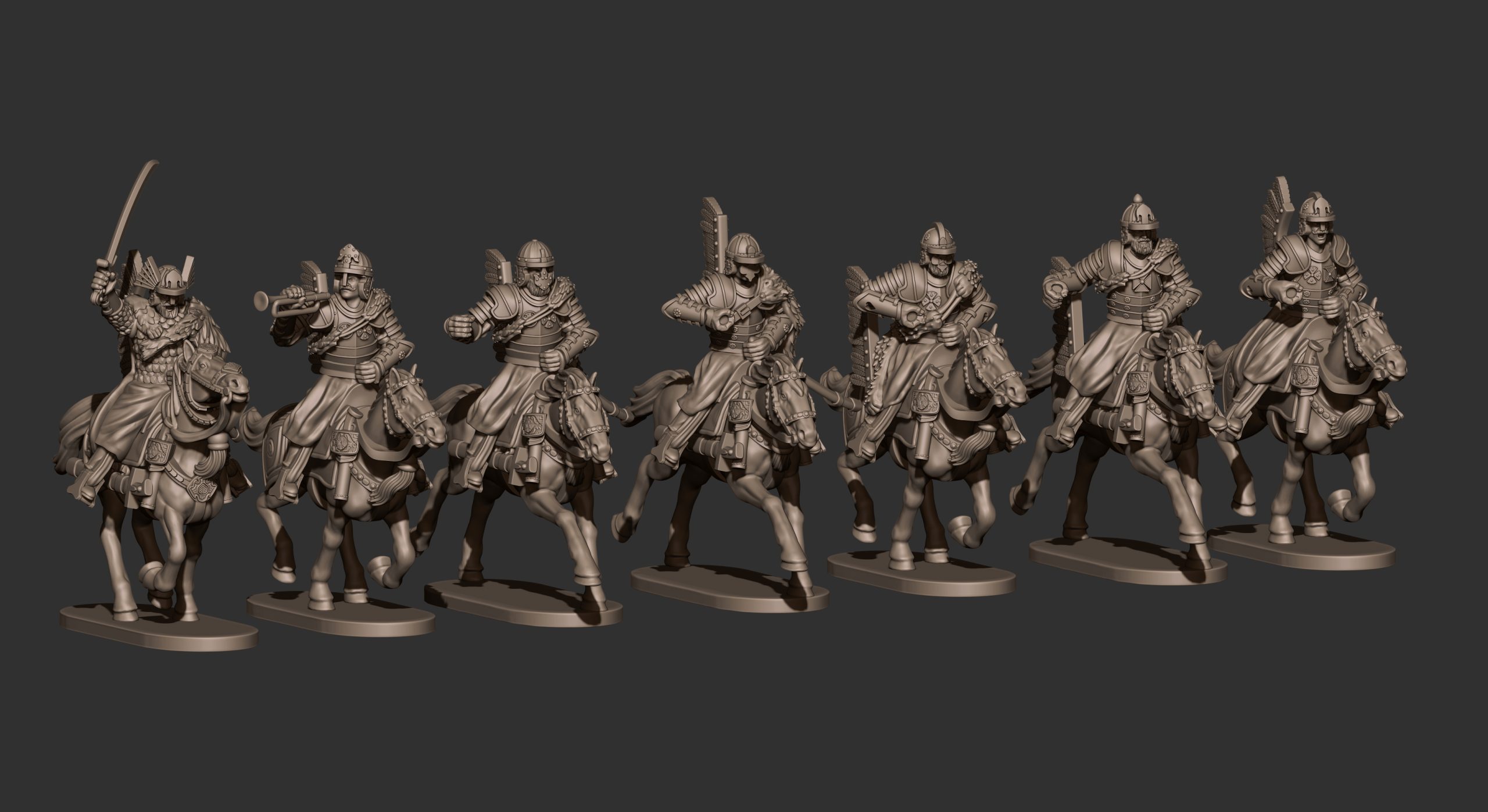
The renders really capture their colourful appearance, which was enhanced by Hungarian-style coats, animal skins and ornate capes, while the iconic wings became one of the defining symbols associated with the troops. Much of their equipment was personally provided by the individual Hussar, reflecting their elite status and the considerable expense involved in maintaining these cavalrymen. With a set of three command figures and four troopers, it's a solid set of miniatures for the table.
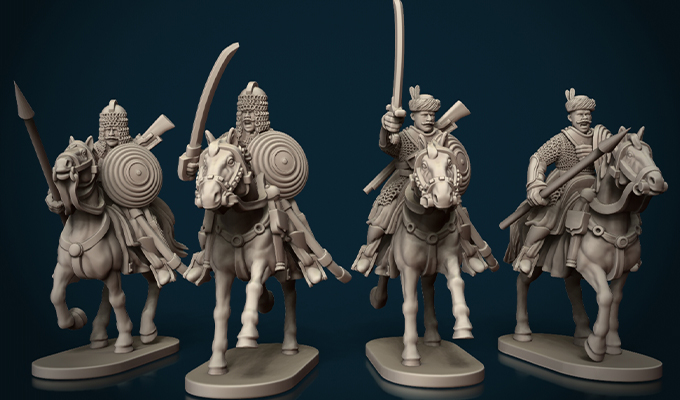
Pancerni Cavalry // Hetman Miniatures
The Pancerni, or armoured companions, were the Polish-Lithuanian Commonwealth’s medium cavalry, and ranked second only to the Winged Hussars in importance and battlefield effectiveness. Recruited largely from the middle and lower ranks of the Polish nobility, they served in companies known as chorągiew, typically numbering between 60 and 200 horsemen.
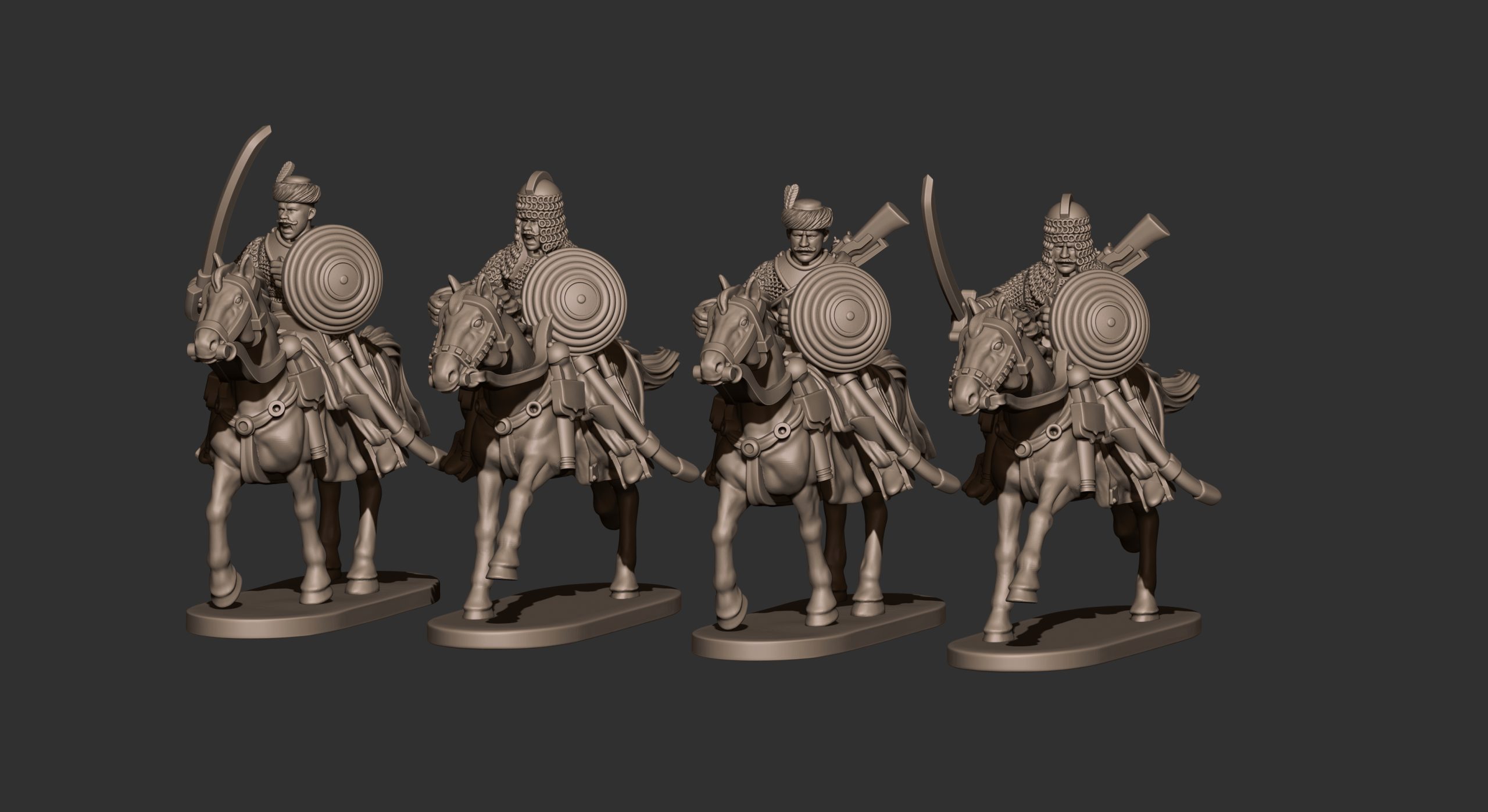
Their name came from the mail armour that was their defining protection, giving them a good balance between protection and mobility. While less heavily equipped than the Hussars, the Pancerni were versatile cavalry who could perform a variety of battlefield roles. Hetman Miniatures have captured the look of them fantastically well, including those distinctive high helms with chain. Despite the pistols, they still look like a unit that may have a medieval duke's bodyguard.
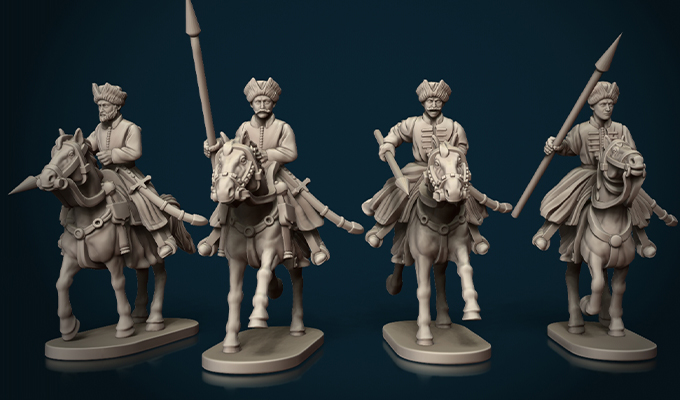
Cossack Light Cavalry
Due to rebellions in the middle of the 17th century they're not actually called Cossacks in the Polish army, but like most people reading this it's an easy go to for me regarding these light cavalry units. Light Cavalry became an increasingly important part of the Polish-Lithuanian Commonwealth’s forces during the second half of the 17th century. Their numbers grew rapidly during the difficult years of 1655–62 because they could be raised relatively quickly and cheaply from Poland’s large noble population, without the extensive training and equipment required by troops such as the Hussars.
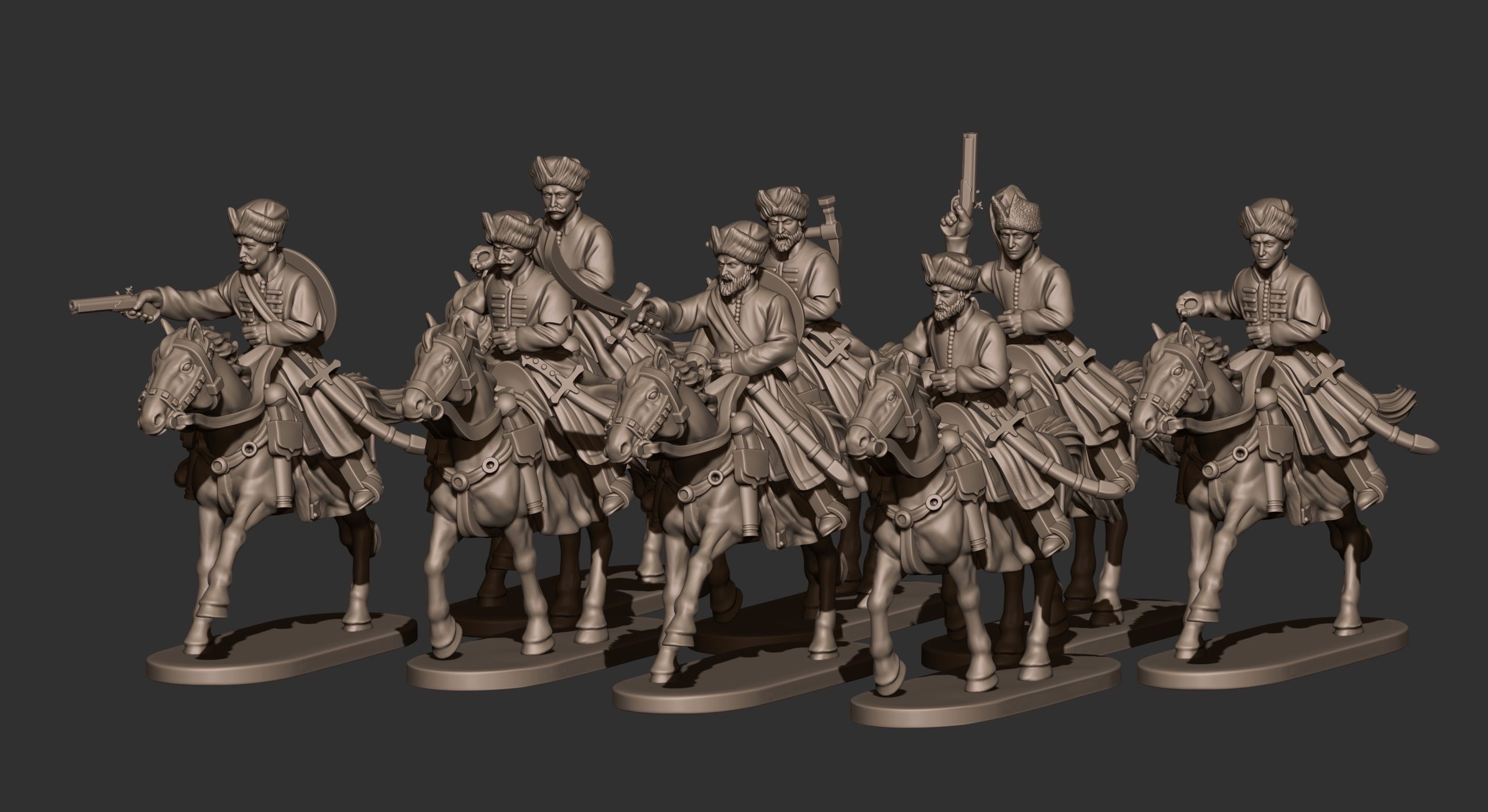
The sculpts reflect the changing make-up of the Polish army in the later part of the 17th century. Their primary roles were reconnaissance, pursuit and harassment, making them a useful and flexible complement to the heavier Pancerni and Hussars. They were commonly armed with sabres, pistols and bows or muskets, while lances became standard equipment for light cavalry after 1677.
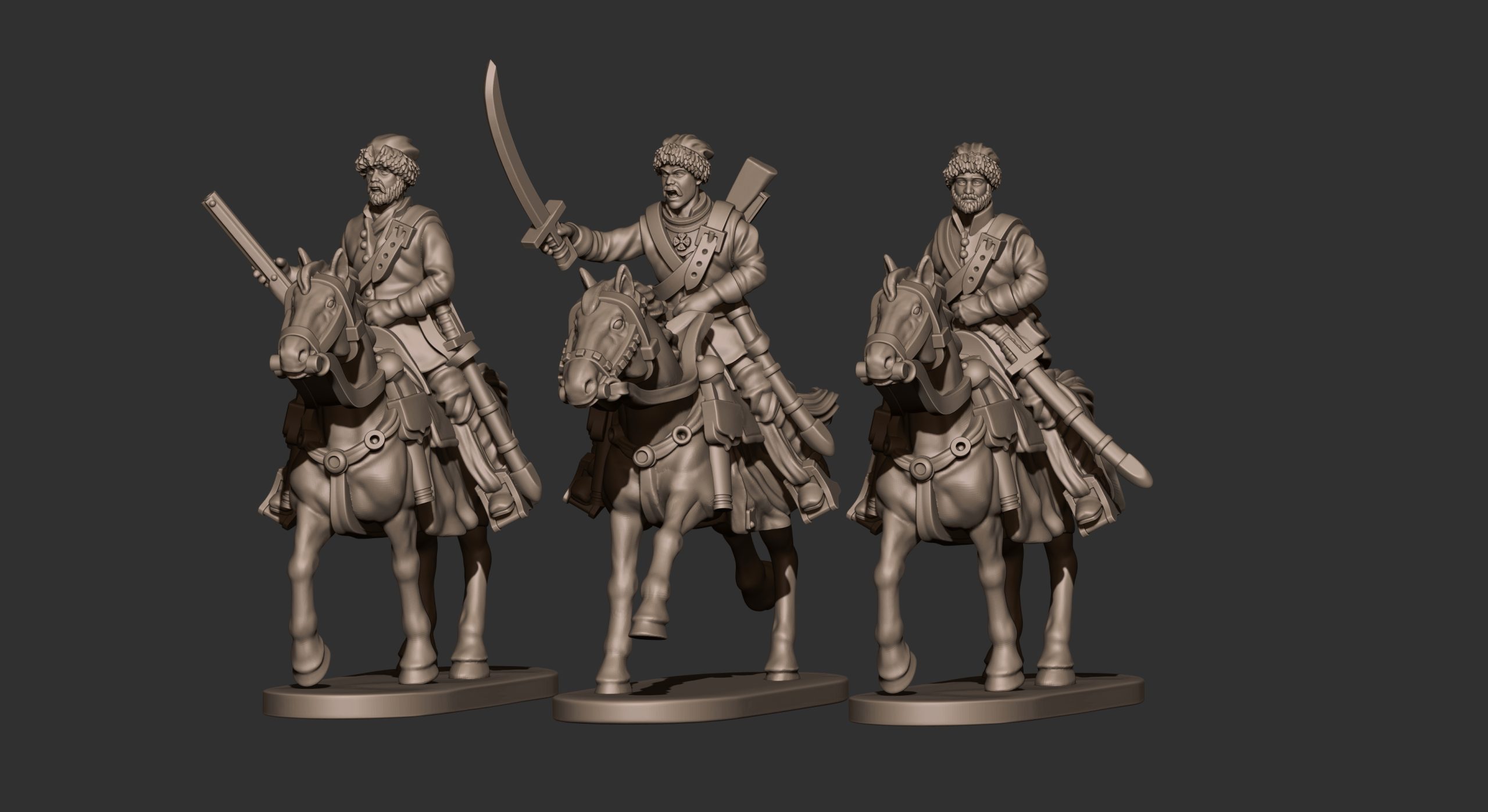
Dragoons
Dragoons were widely used by the Polish-Lithuanian Commonwealth, particularly across the open plains of the south where mobility was essential. They remained essentially mounted infantry until the late 17th century, allowing them to move quickly on horseback before dismounting to fight on foot. Dragoon units typically numbered between 200 and 600 men, although some larger regiments reached around 1,000. They carried lighter muskets than regular infantry, alongside sabres and axes, and were particularly favoured by King Jan III Sobieski, who even wore their uniform and occasionally led them into battle on foot.
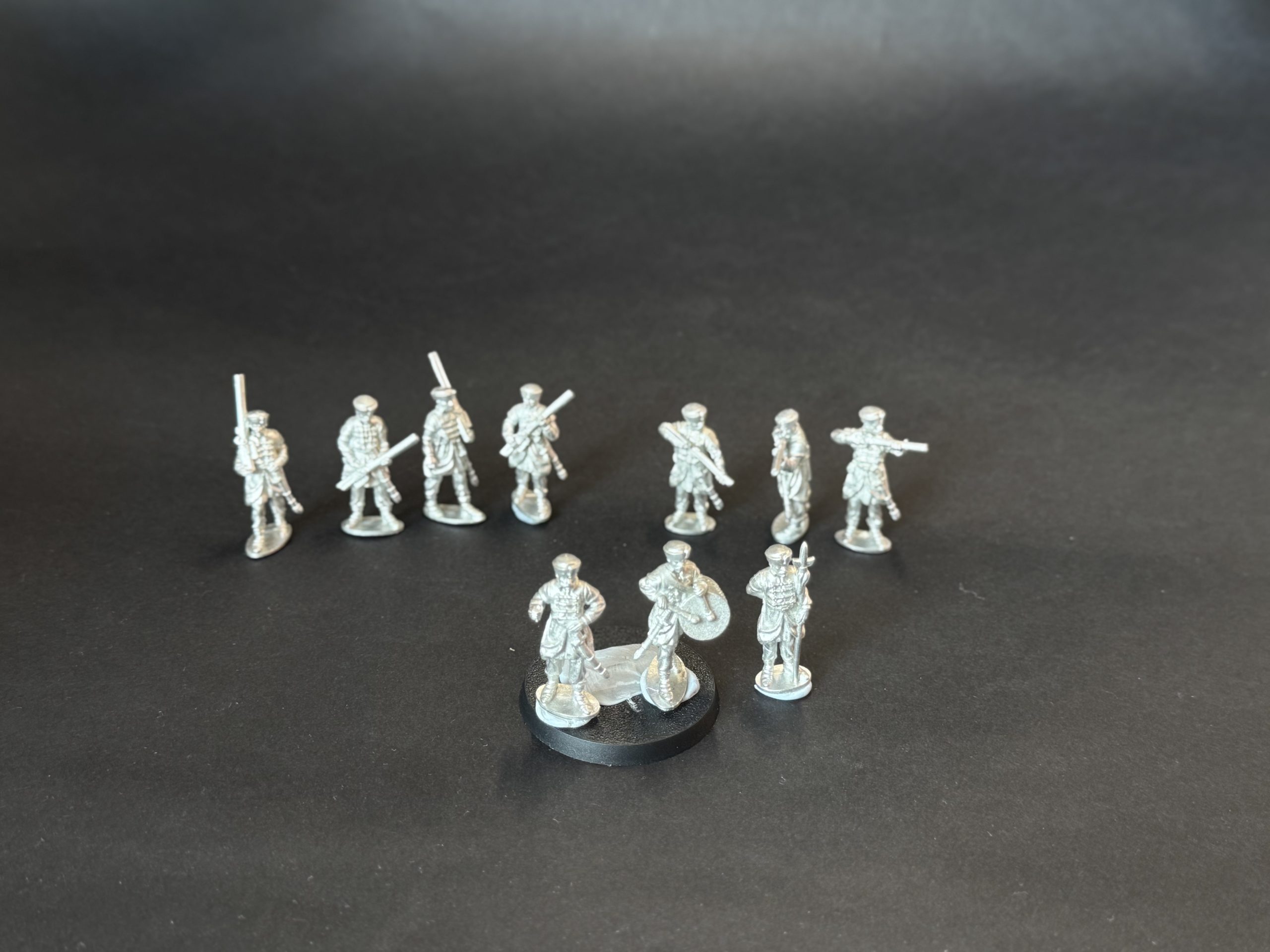
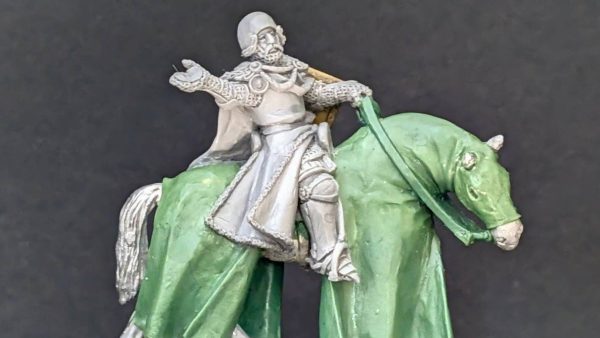
As you can see from these test casts, the infantry have come out beautifully in the metal casts and below you can see an example of the cavalry. From the posts I've been following, the plan is for all the horses to be cast in resin for the cavalry, while the mounted troops and infantry will be metal. Helps to keep the weight down on the units and for shipping, which is always a good thing.
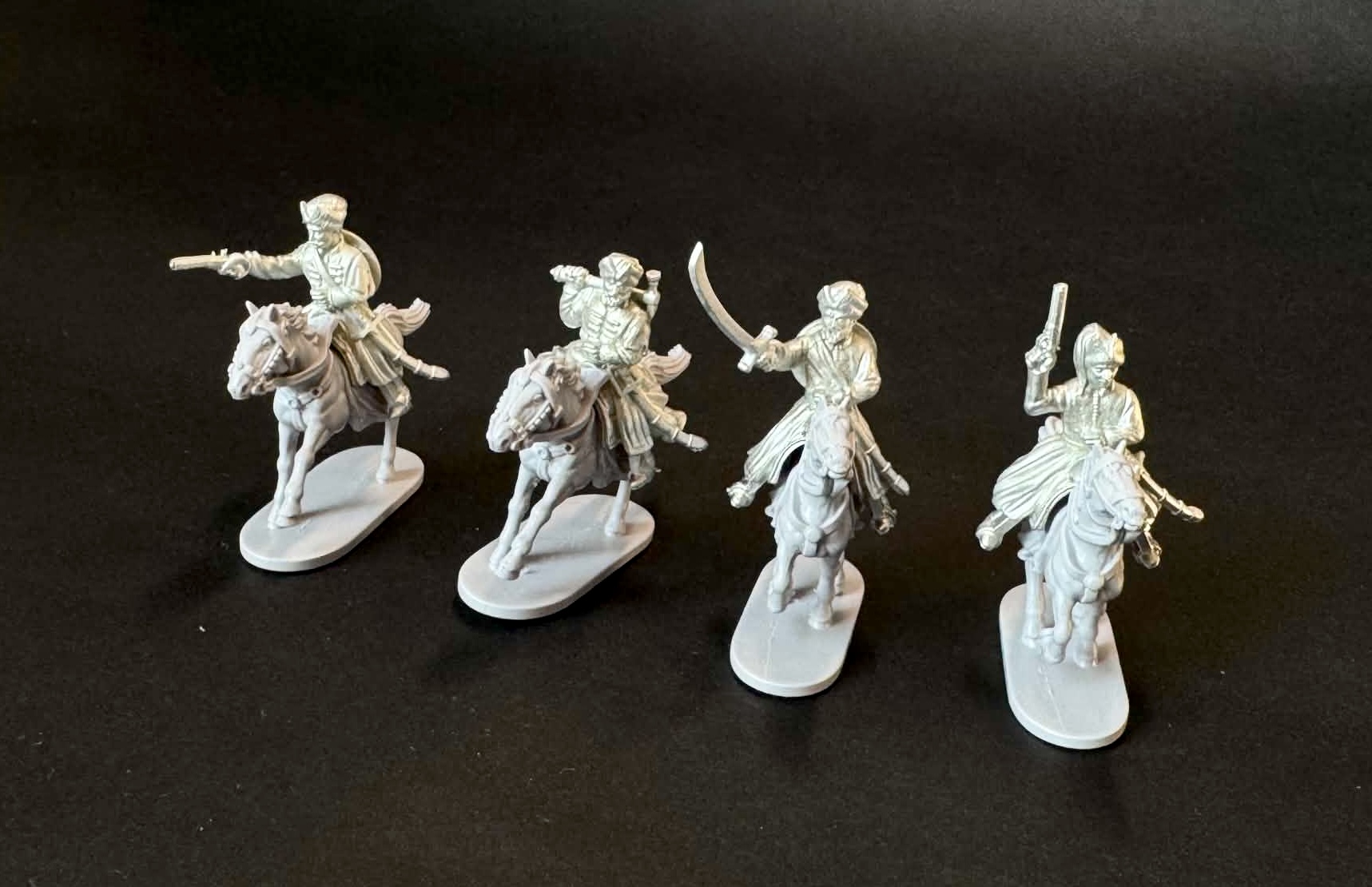
The campaign starts this Sunday, 16th of August, and is due to run for three weeks, so plenty of time to get your Renaissance on before it ends. You can sign up on the landing page to be notified when it launches and if you are a fan of the ones and zeroes, you may rejoice because the range is also being offered as STLs for home printing, as well as the physical minis. I think this is a fantastic range of figures and will form a solid core of any Polish force, just ready for some interlopers to realise the mistake they have made!
What do you think of this range?
Supported by (Turn Off)

Supported by (Turn Off)
Supported by (Turn Off)




Huzzah!
Beautiful. Would make a lovely addition to a Kislev army, seeing as GW seem unwilling to release them as a faction for The Old World.
Also, historically speaking, these are one of my favourite regiments. Their uniforms and equipment are incredibly special