




A Foray into Napoleonic Wargaming



Recommendations: 1726
About the Project
Documenting my progress on collecting and painting 15/18mm Napoleonic miniatures. This started with challenging myself to try my hand at painting miniatures at a smaller scale, and to look at a historic setting rather than fantasy or Sci-fi. I went for Napoleonics as I have an interest in the history of the period, there are some great ranges of minis, and there's a certain appeal in having painted blocks of Napoleonic troops. I'm not building a collection for any particular game system, or following an order of battle, this is very much about enjoying the painting. I tend to have limited hobby time and I'm also a slow painter, so this is a very slow burn project.
Related Genre: Historical
This Project is Active
Badeners
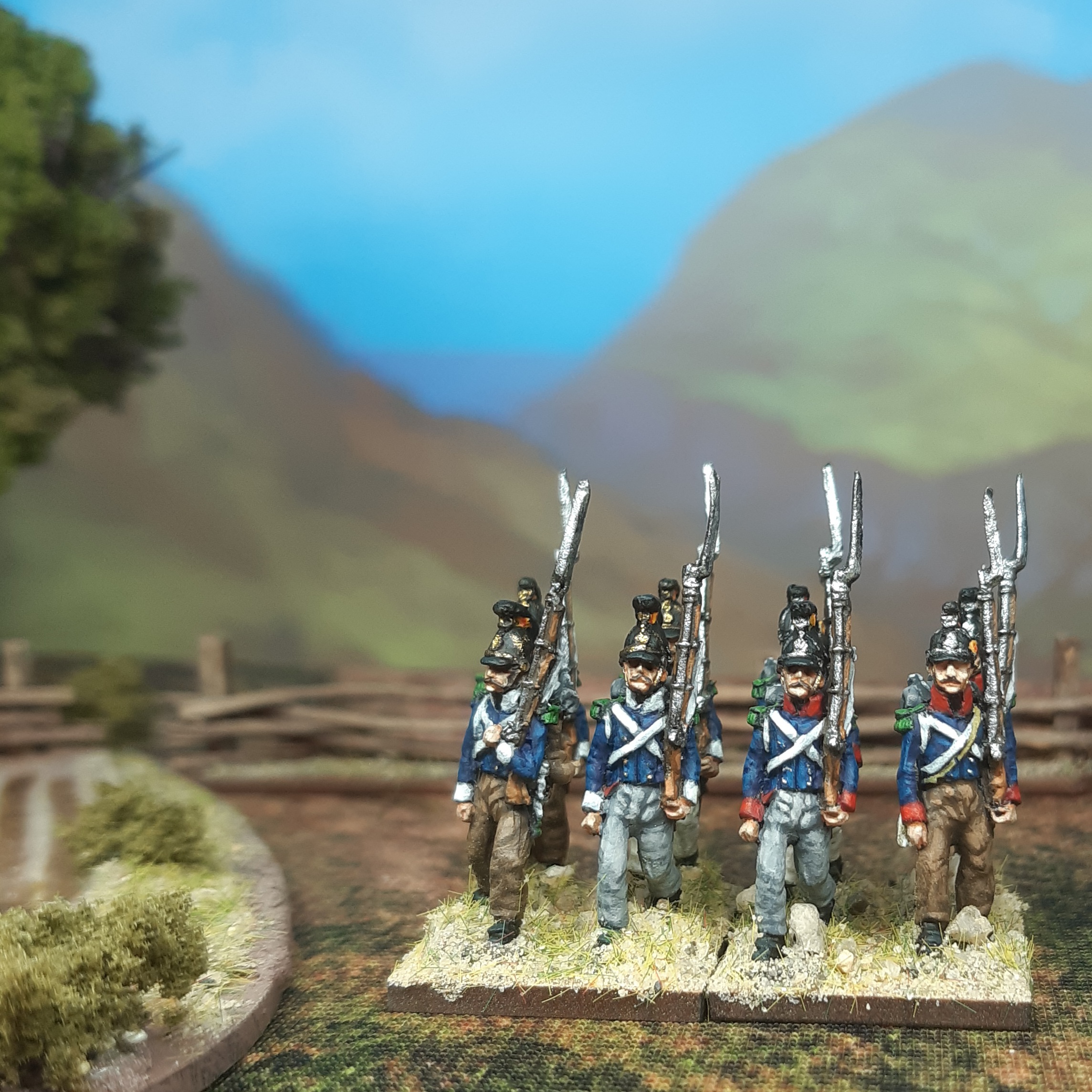
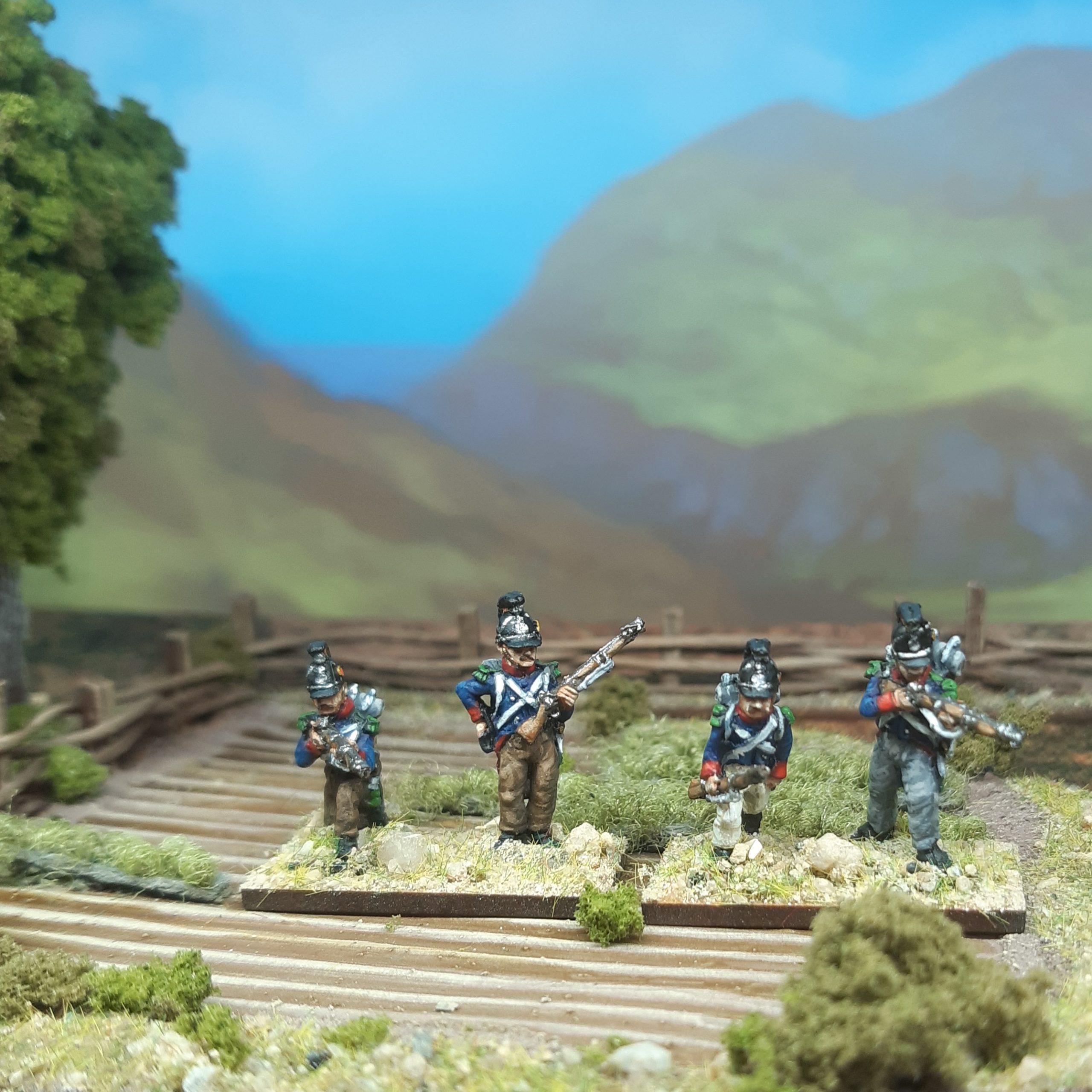
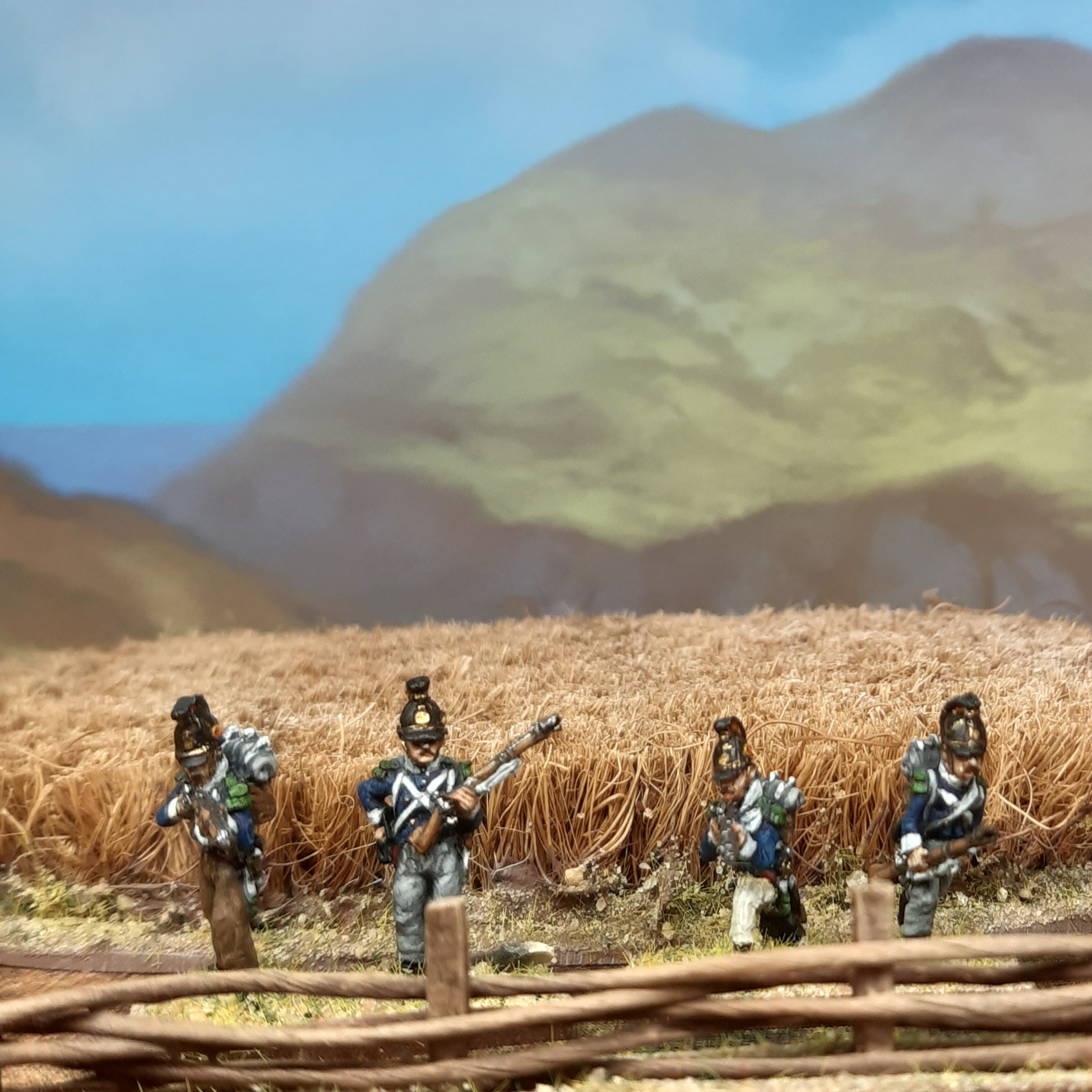
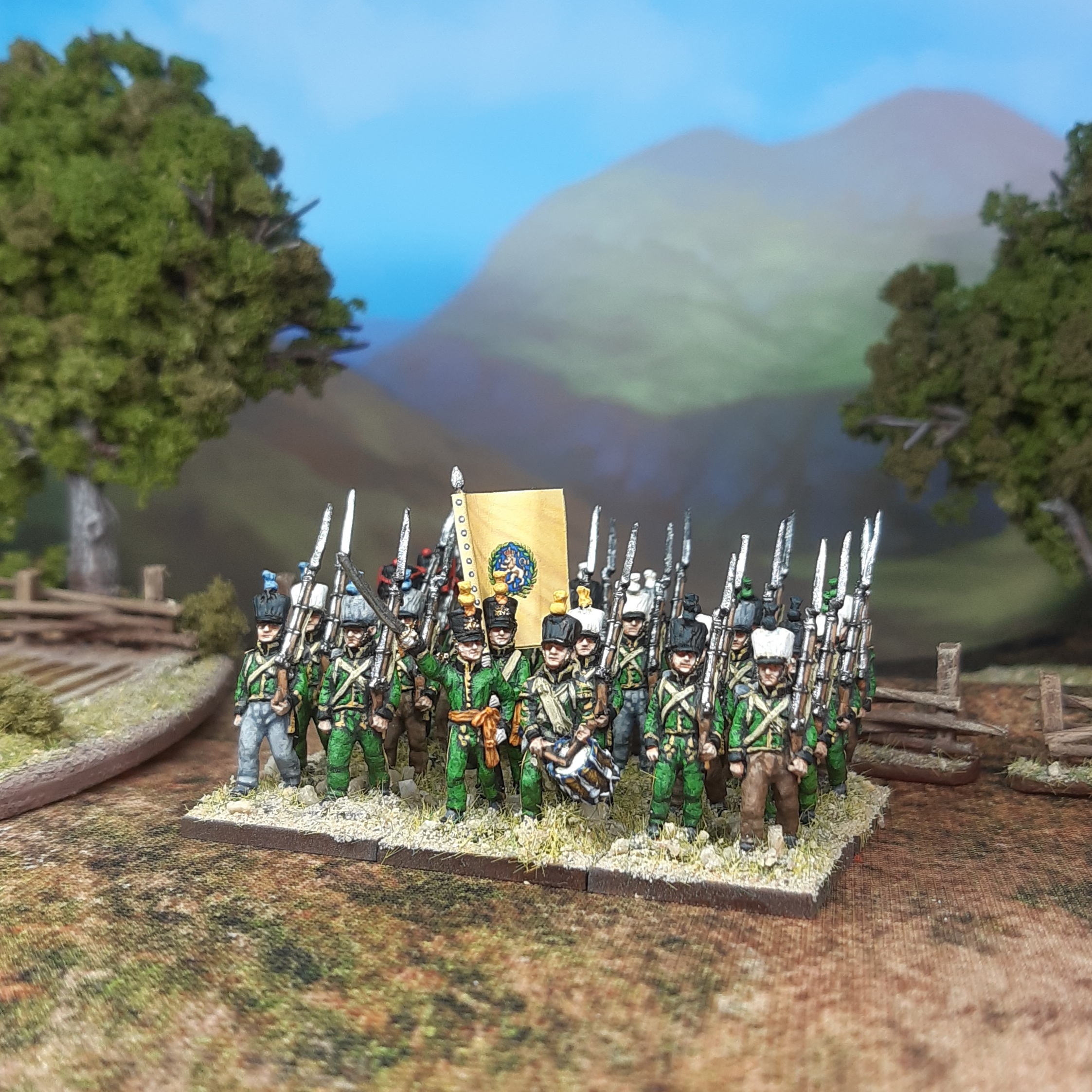
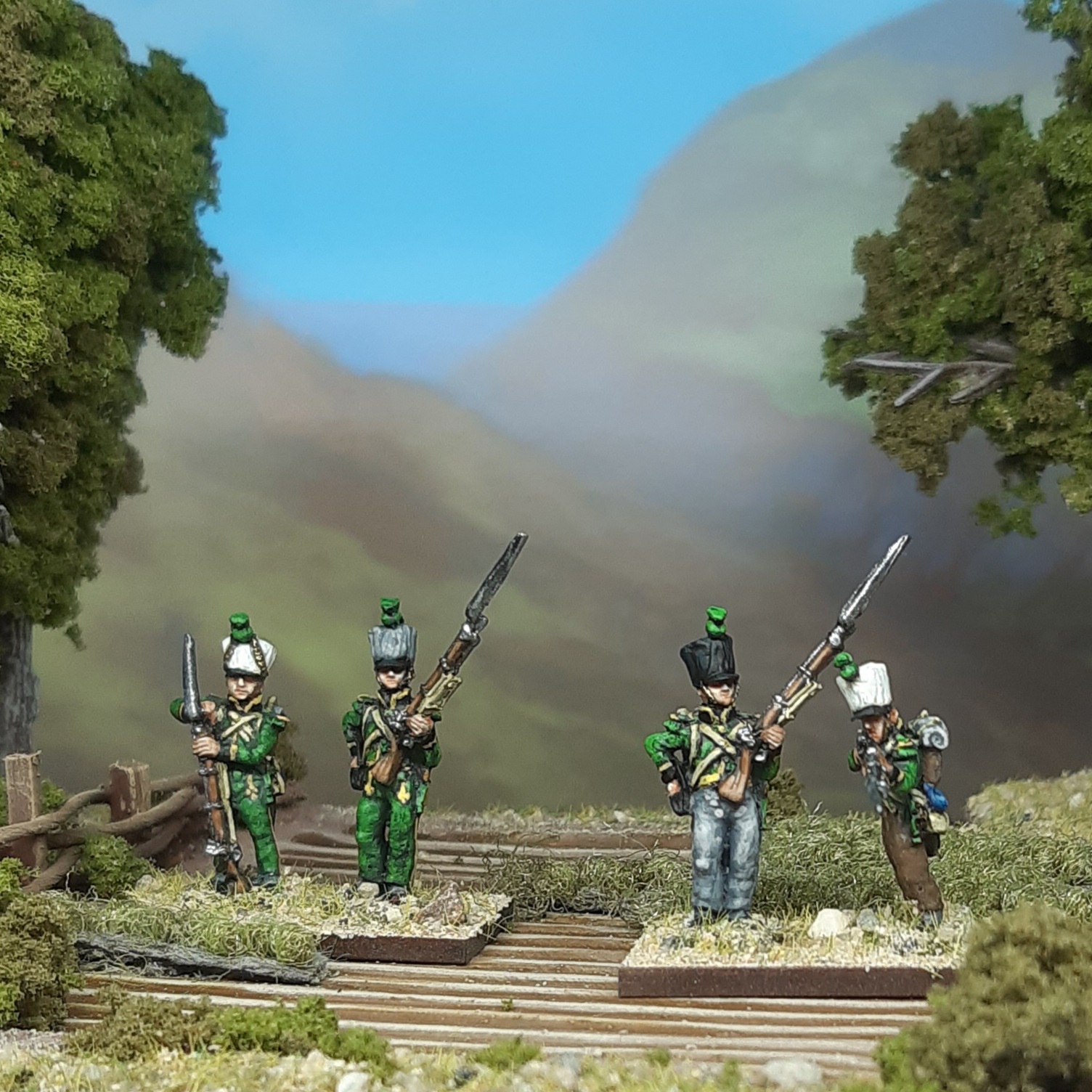
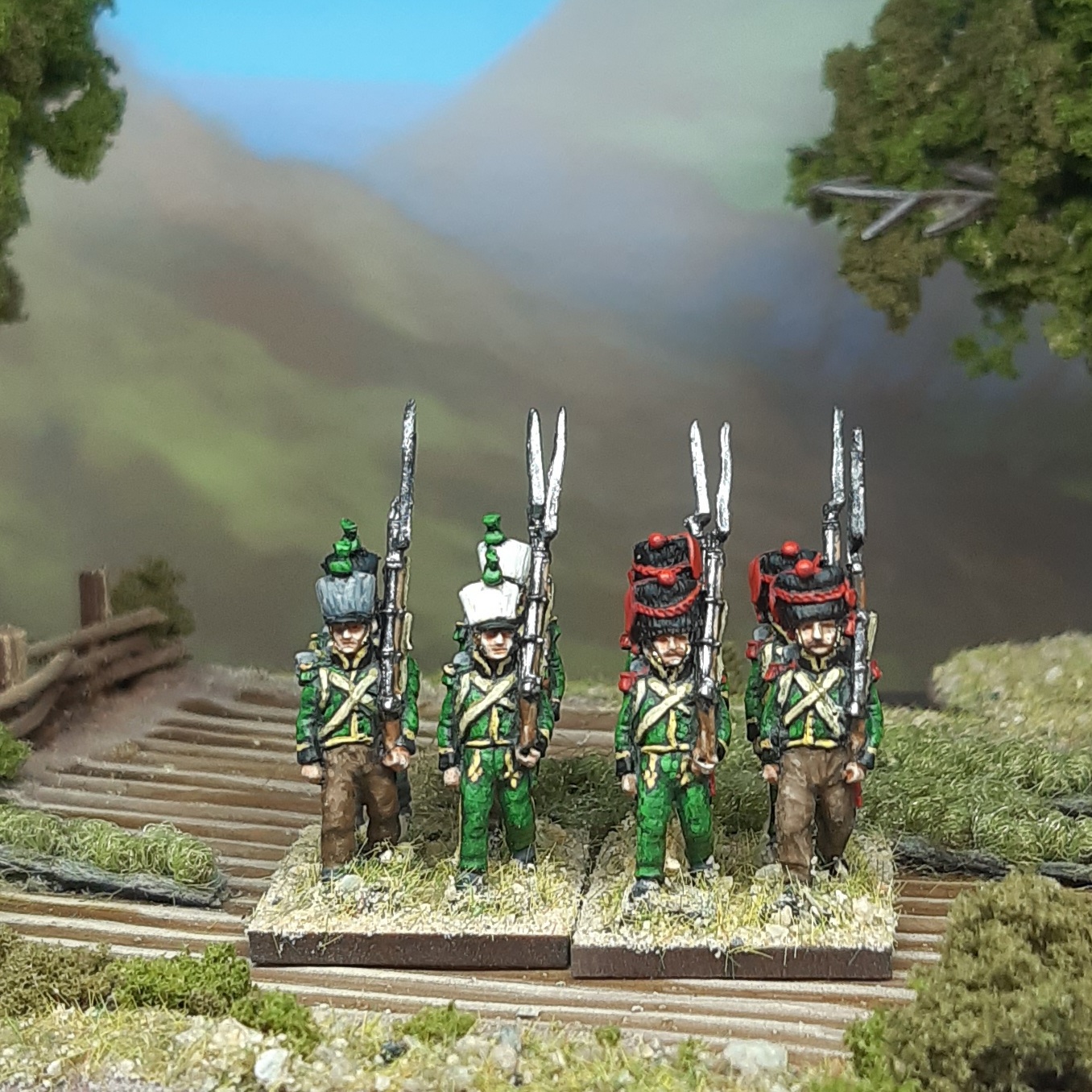
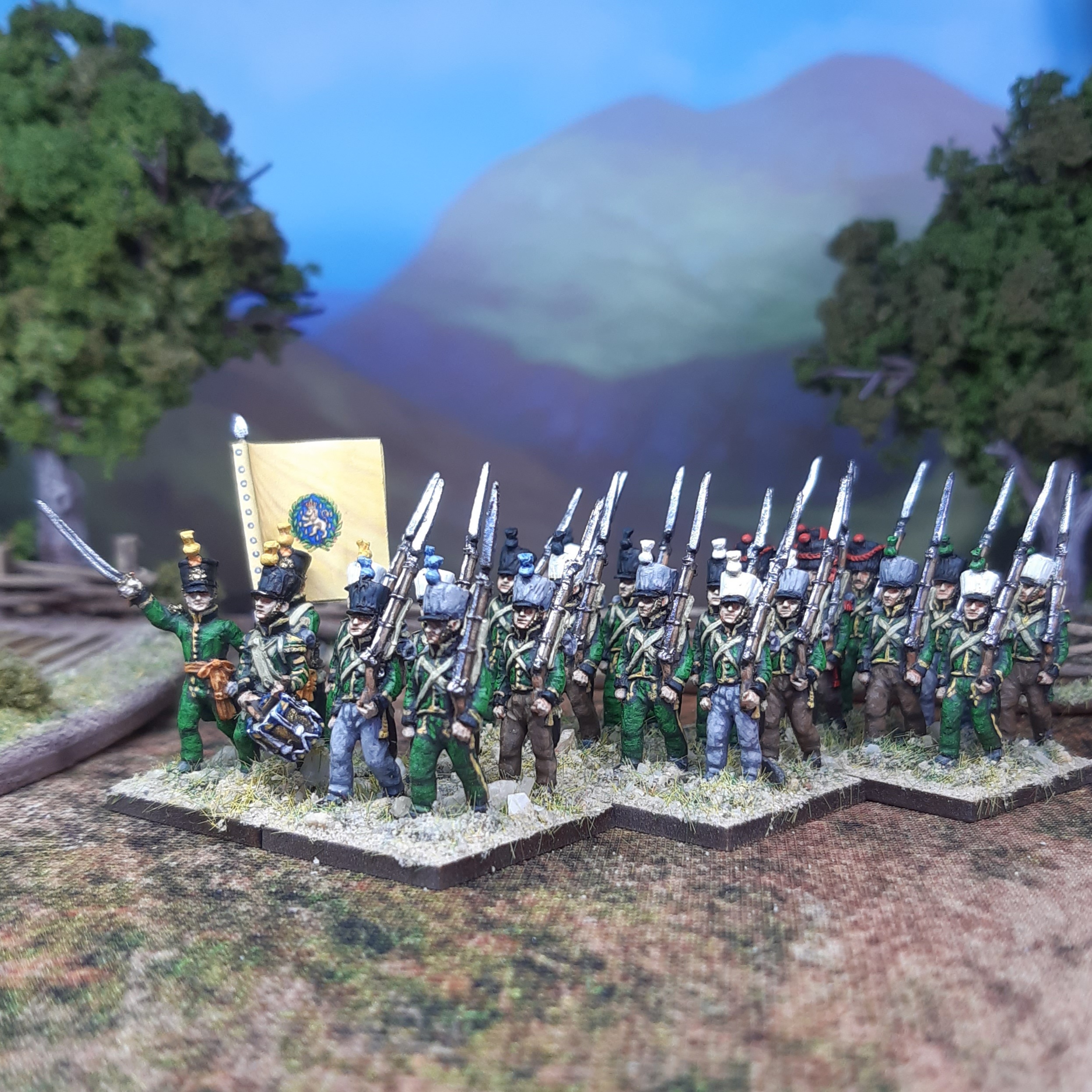
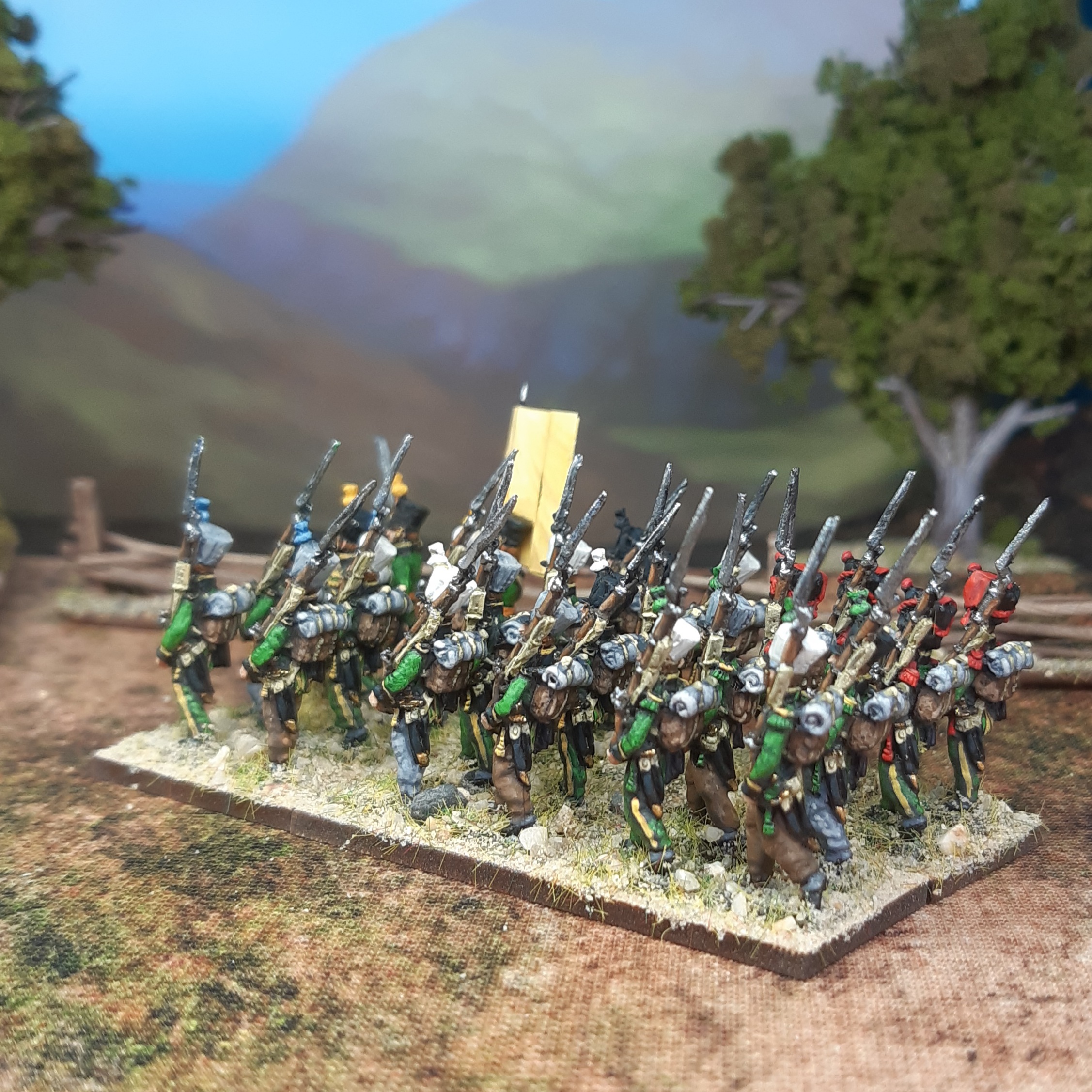
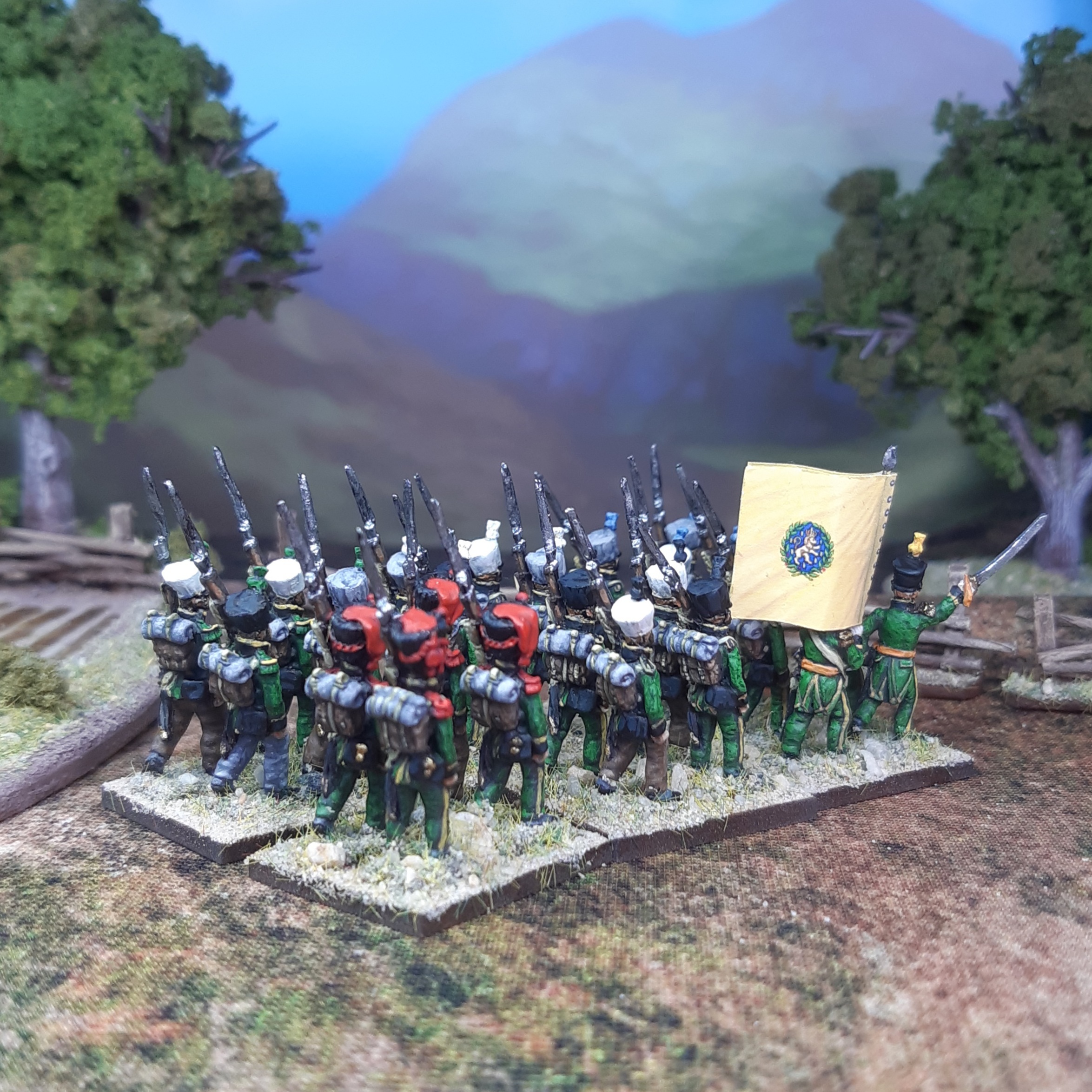
AB Figures recently released added some miniatures for the Duchy of Baden, which I couldn’t resist grabbing. So instead of continuing the German Division with a second Nassau battalion, I’ve diverted slightly to make a start on the Baden contingent.
The Baden regiment in the Peninsula was comprised of two battalions, which will take me a little while to get through. I’ve made a start with the Voltigeur companies and skirmish bases.
2nd Nassau Regiment
Next phase for this project is to add a bit more colour and expand my collection with troops from some other nations. The French were supported in the Peninsula by a host of men from allies and client states. As he invaded Spain, Napoleon invoked self-defence clauses in his treaties with various German states, forming a Division of men from a mixture of different places.
One element of the German Division was the Nassau 2nd Regiment, which marched to the Peninsula in 1808. Whilst most of the regiment’s time in the Peninsula was spent combating Spanish insurgency, the regiment was also present at some significant battles such as Talavera.
After ignominious retreat from Russia in 1812 and subsequent battles in 1813 that cumulated in Leipzig, Napoleon’s German allies began to abandon him. The 2nd Nassau Regiment recieved secret orders to switch sides, and marched over to join the British at the end of that year. Unsurprisingly, this led to many other German formations remianing under French command to be disarmed and essentially confined to quarters.
Come 1815, Nassau fought alongside the Allies during the 100 days at both Quatre Bras and Waterloo.
Models are by AB Figures, representing Nassau uniforms from the Waterloo campaign, but they’re pretty much fine for the Peninsula Campaign after 1809. The flag is by GMB Designs.
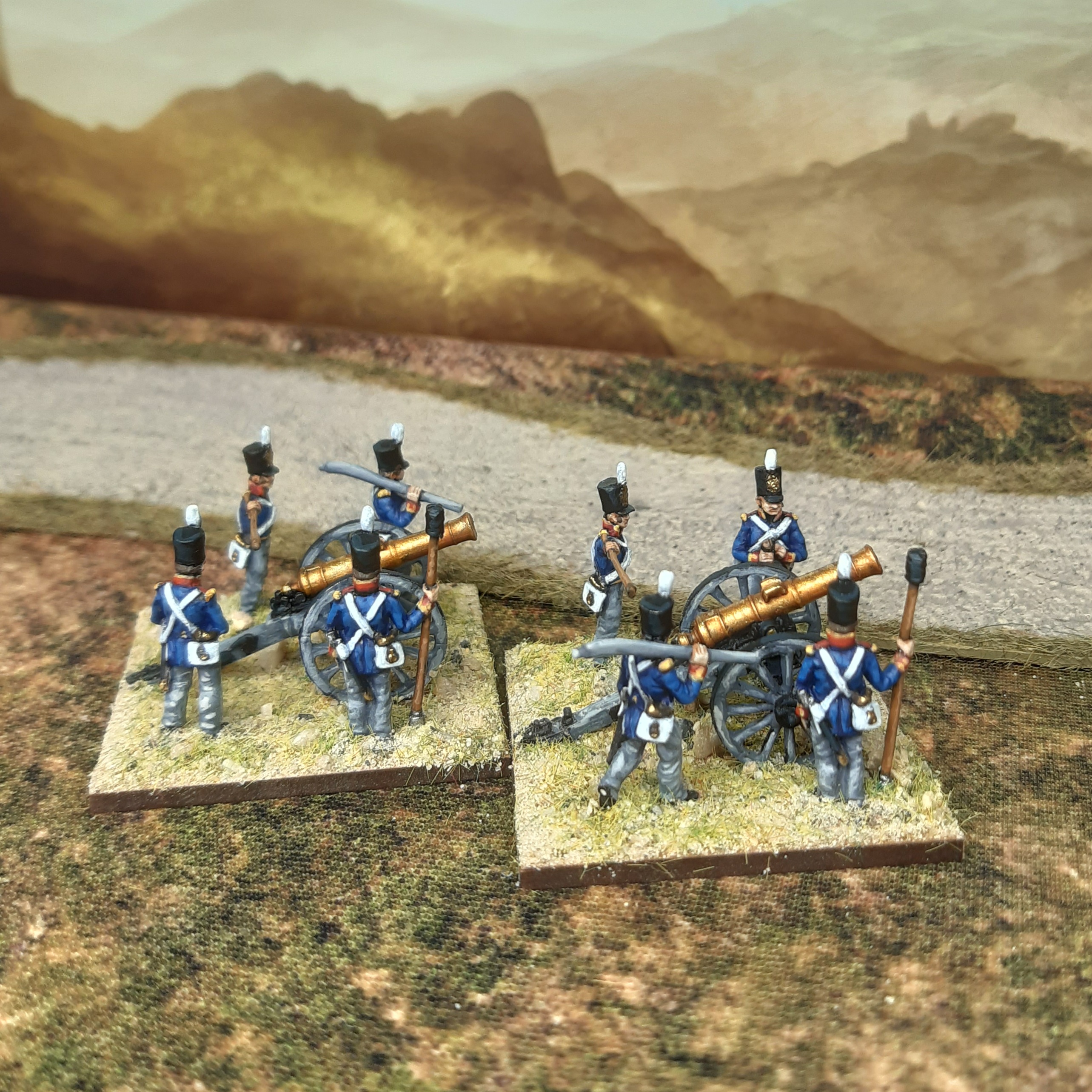
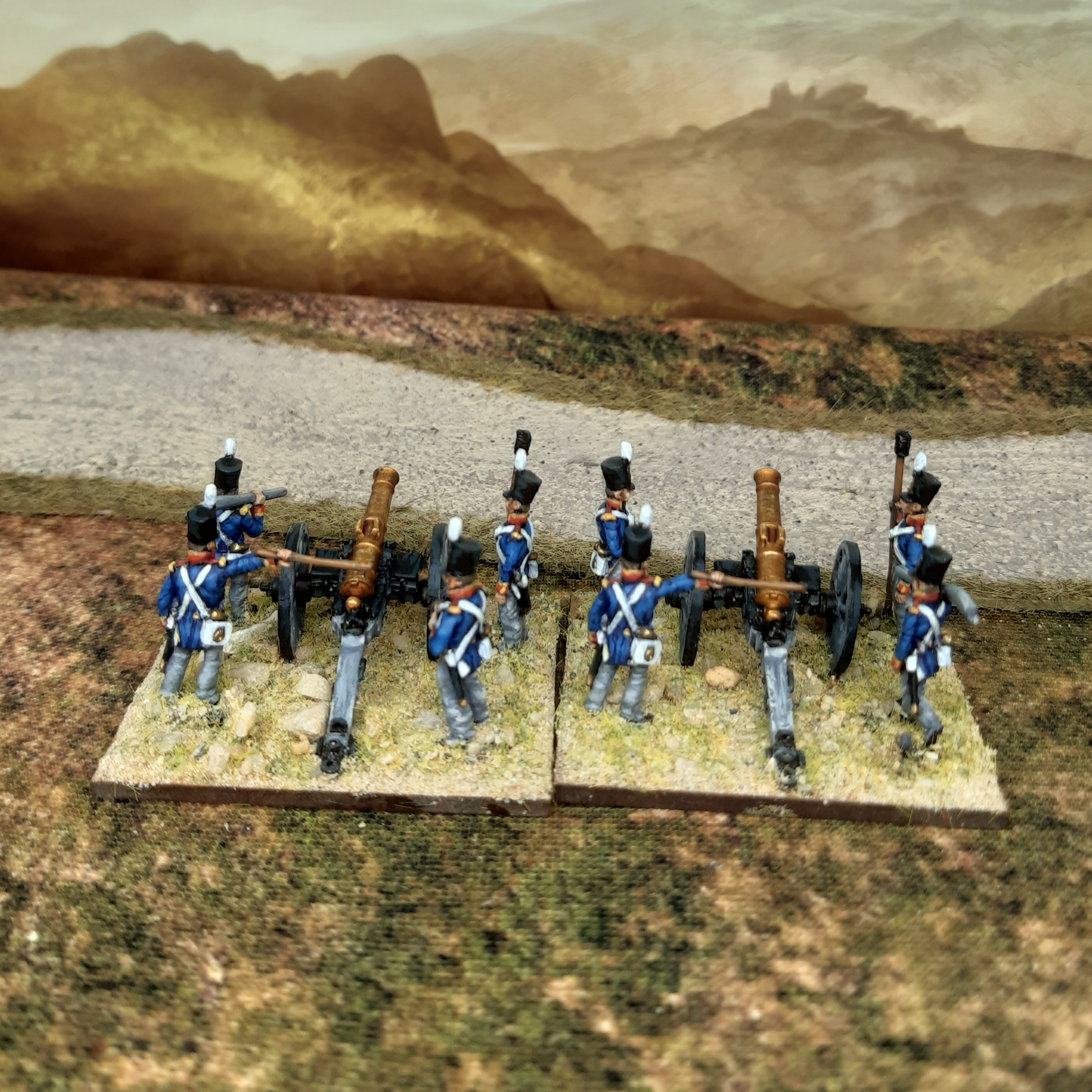
British Foot Artillery
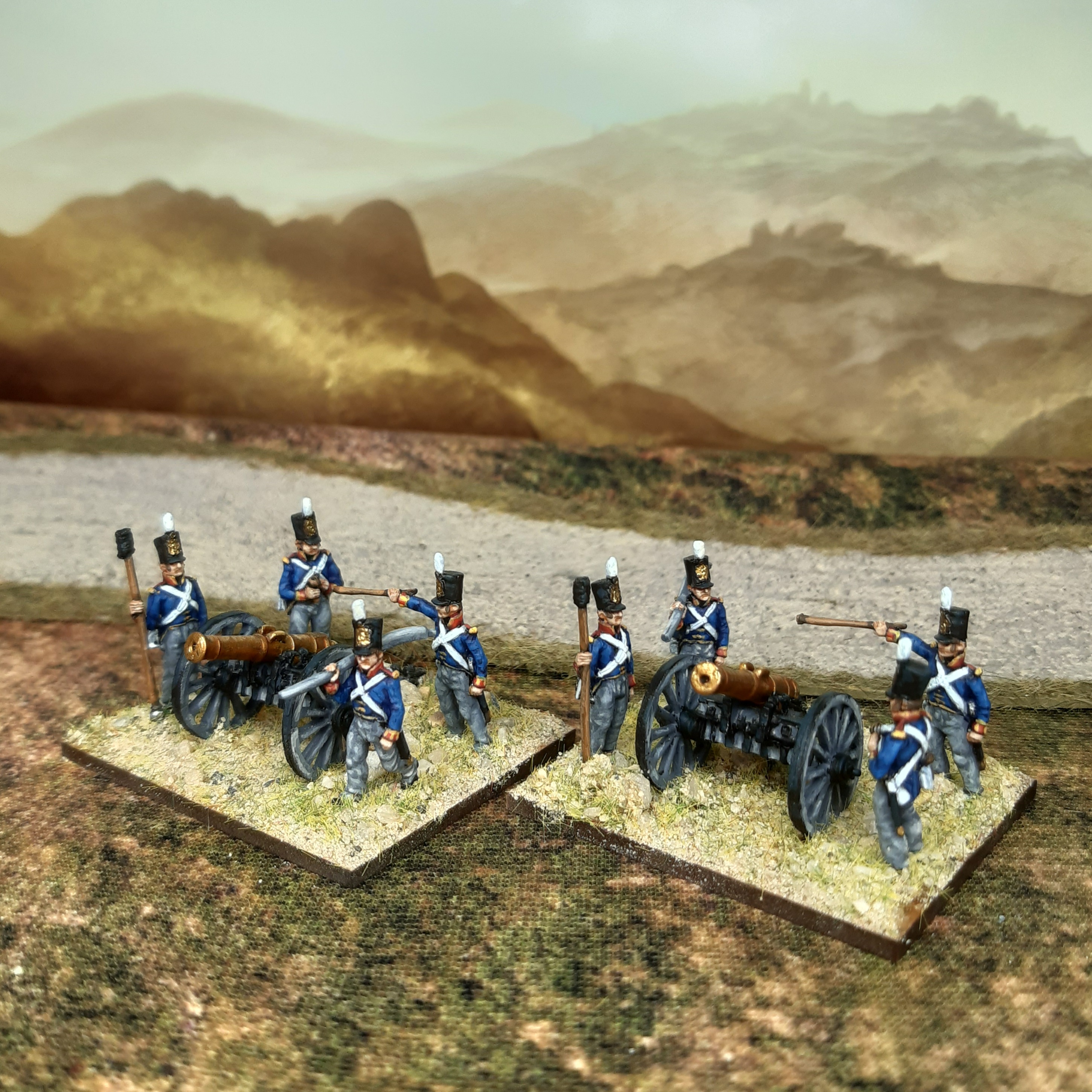
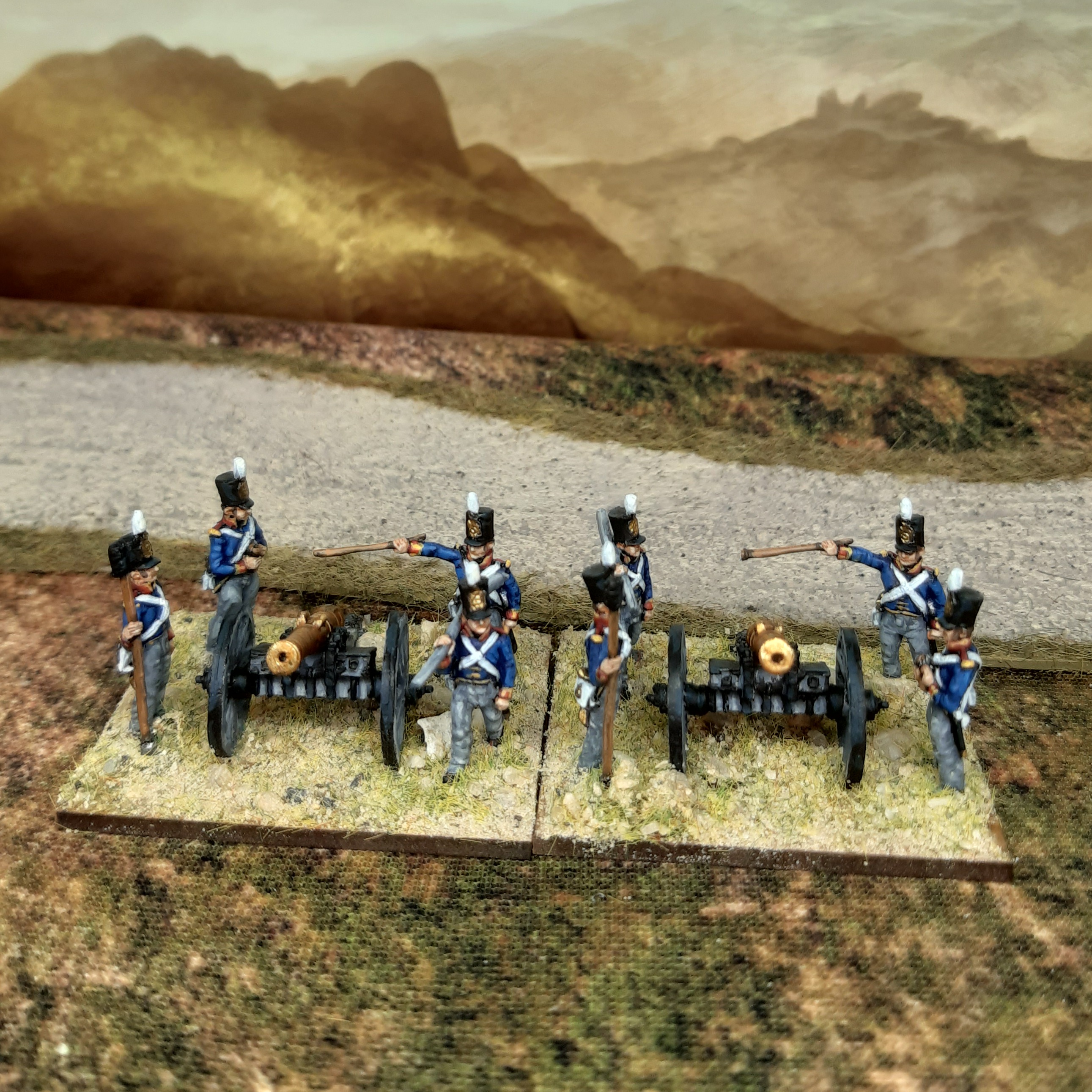
Having recently added a couple more guns to my French, it was the turn of the British artillery train to be reinforced. I previously painted up some Royal Horse Artillery, so these chaps were foot artillery.
Miniatures are the excellent AB Figures.
More French Guns
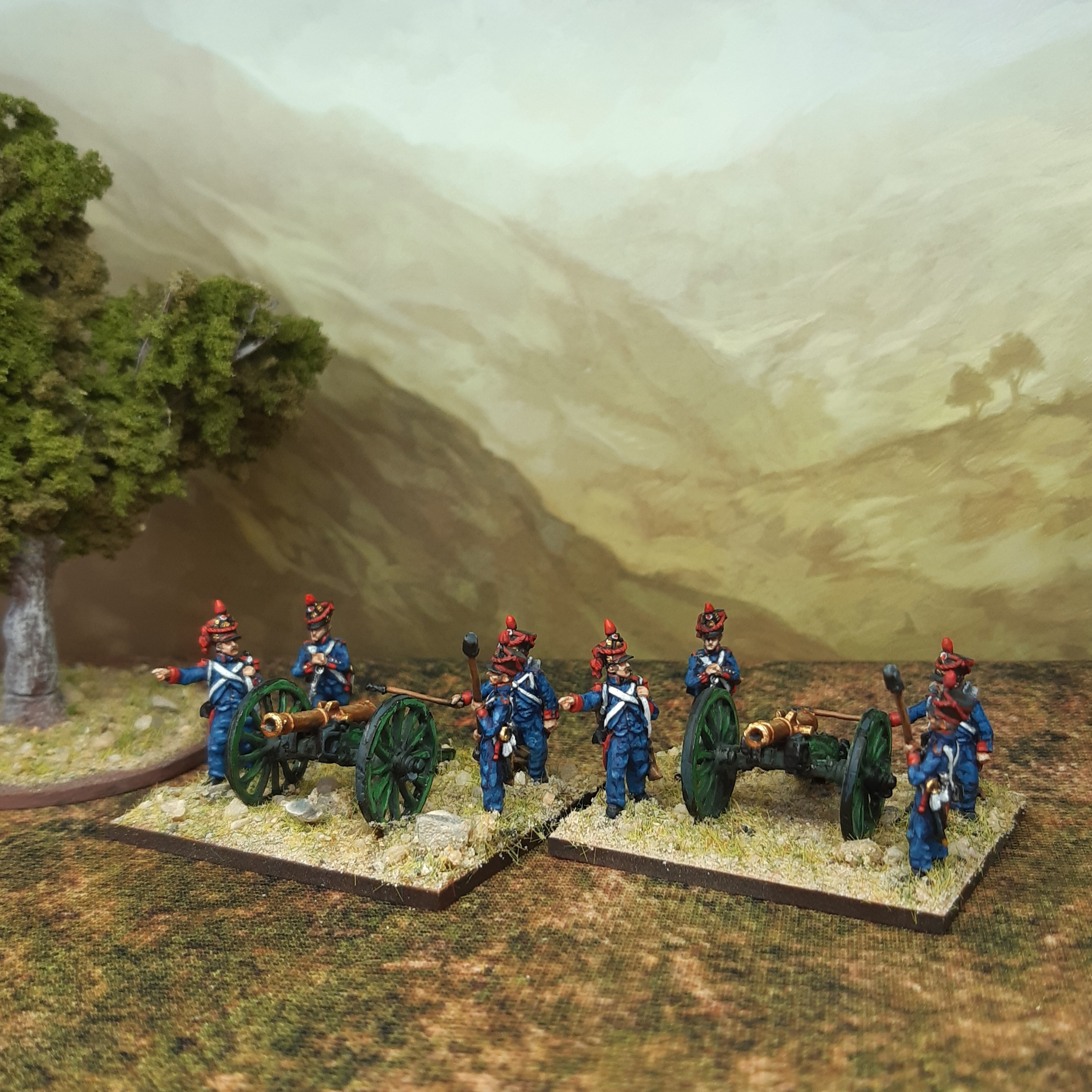
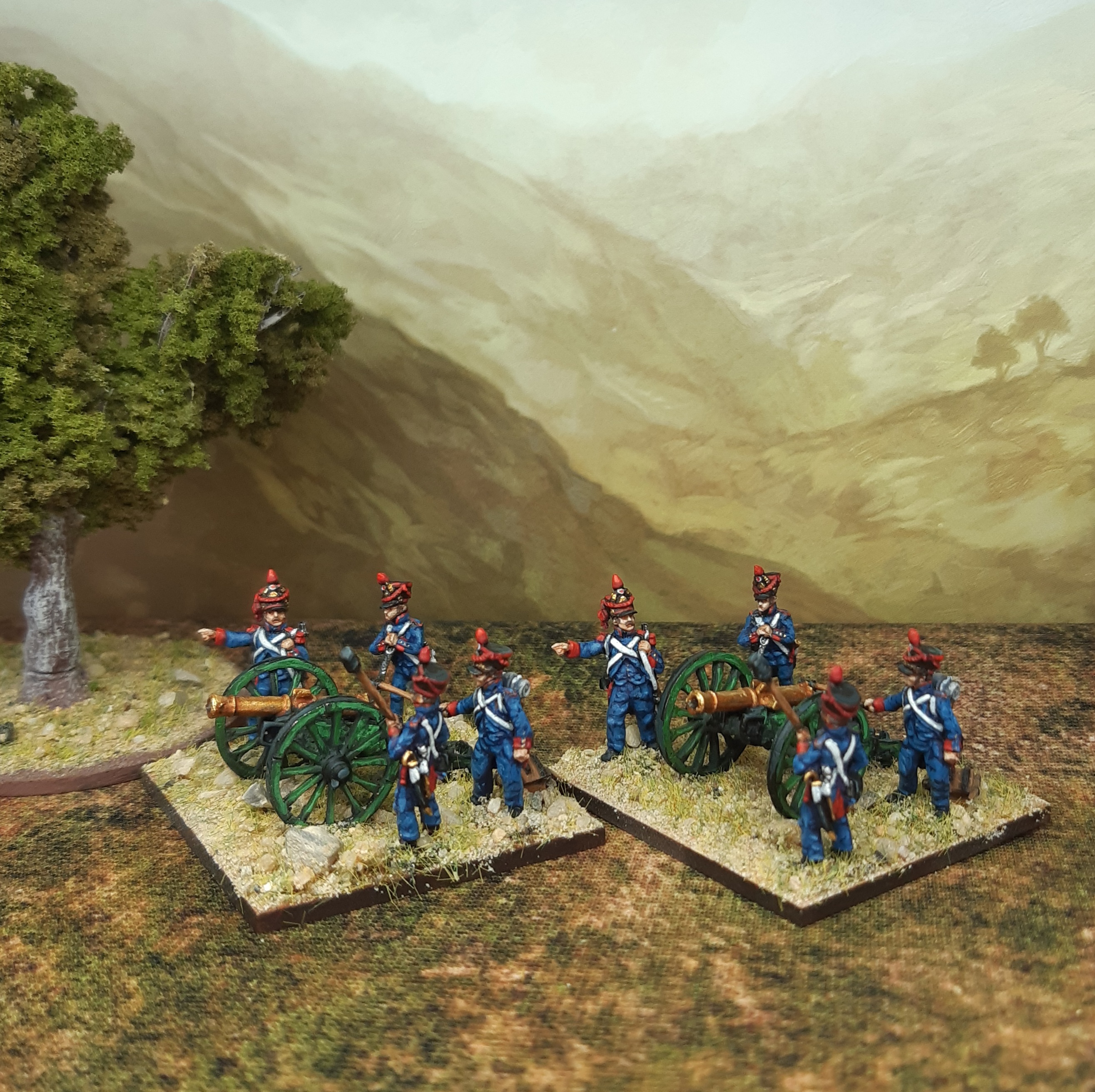
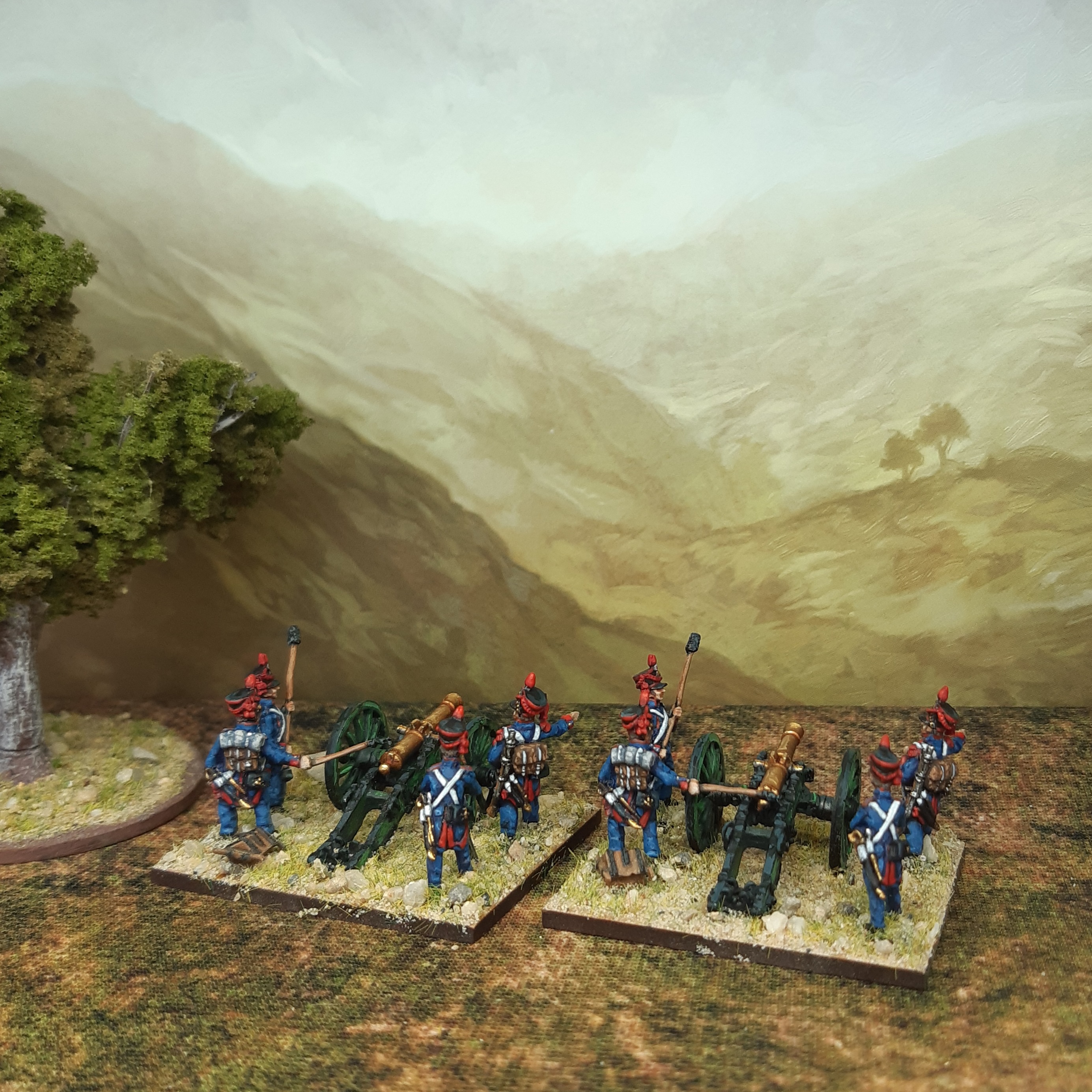
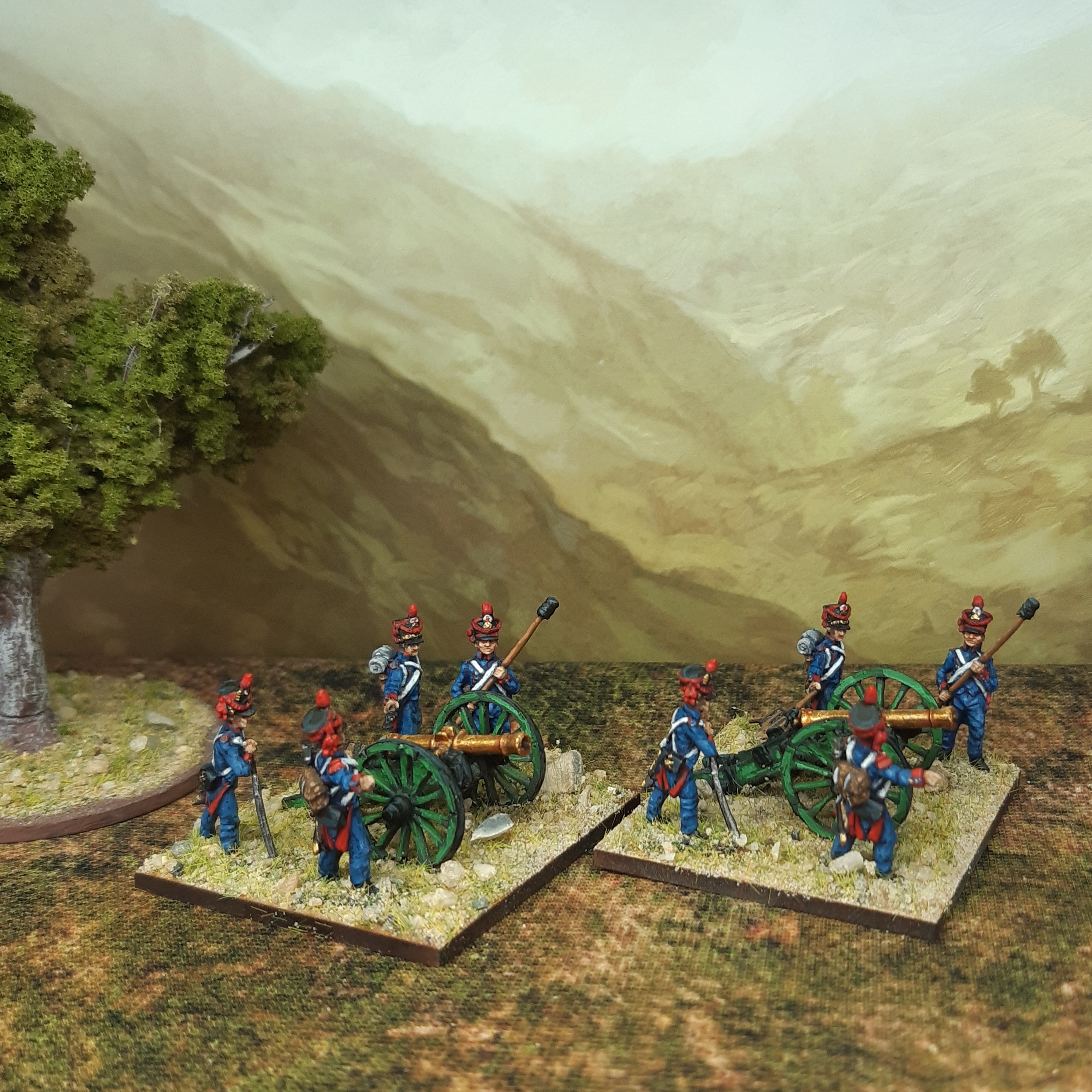
I’ve managed to get a couple of games of Soldiers of Napoleon under my belt, pitching my British against my French. As it stands, my collection is large enough for a reasonable game, with each side having a couple of infantry brigades and a light cavalry brigade. I really enjoy the game system, so it makes sense to look to expand my collection to give more options when playing. The first thing I want to add to both sides is more artillery.
The French are first, with another two stands of foot artillery. These figures are from AB Figures, and are really excellent sculpts.
1eme Hussars
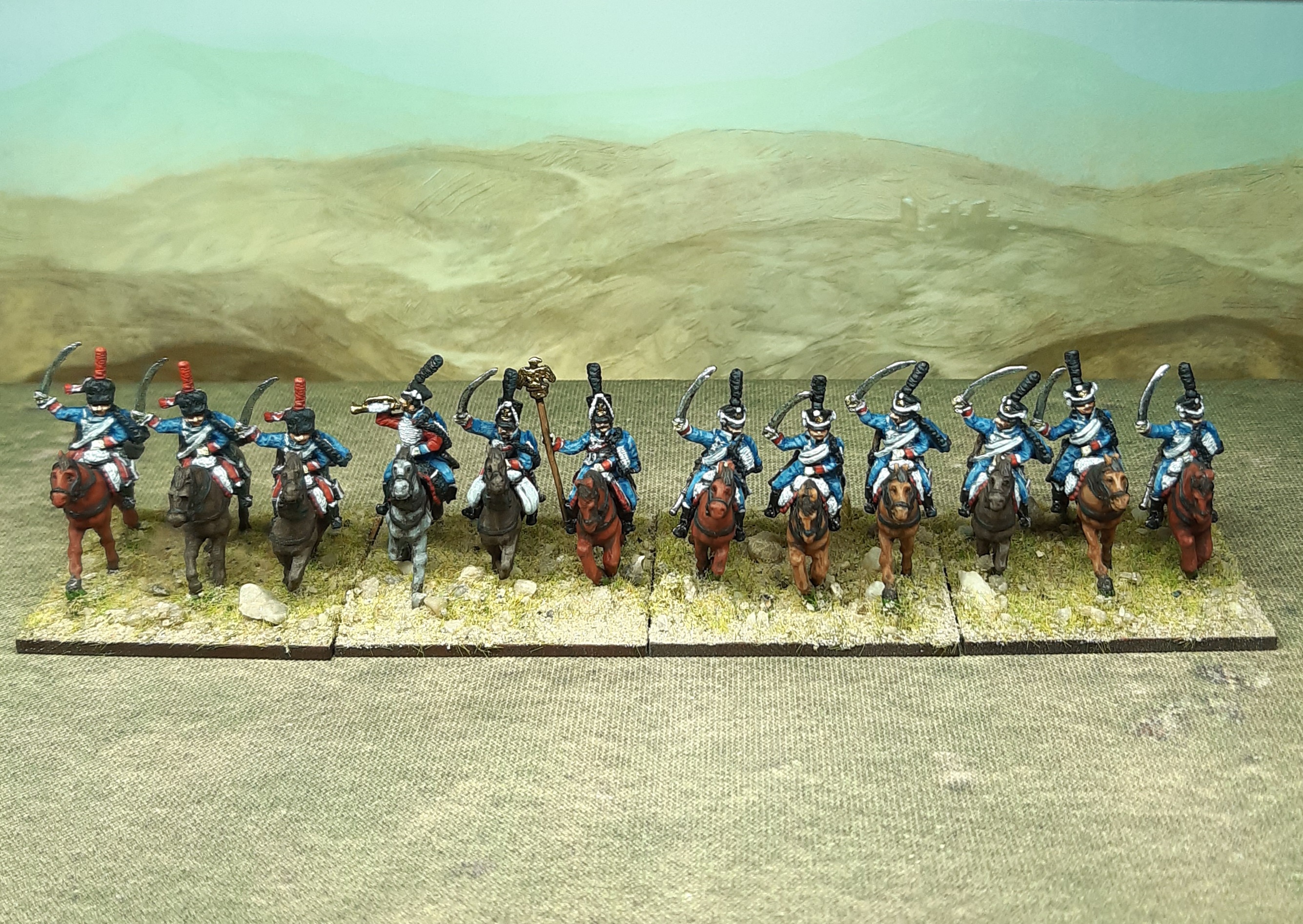
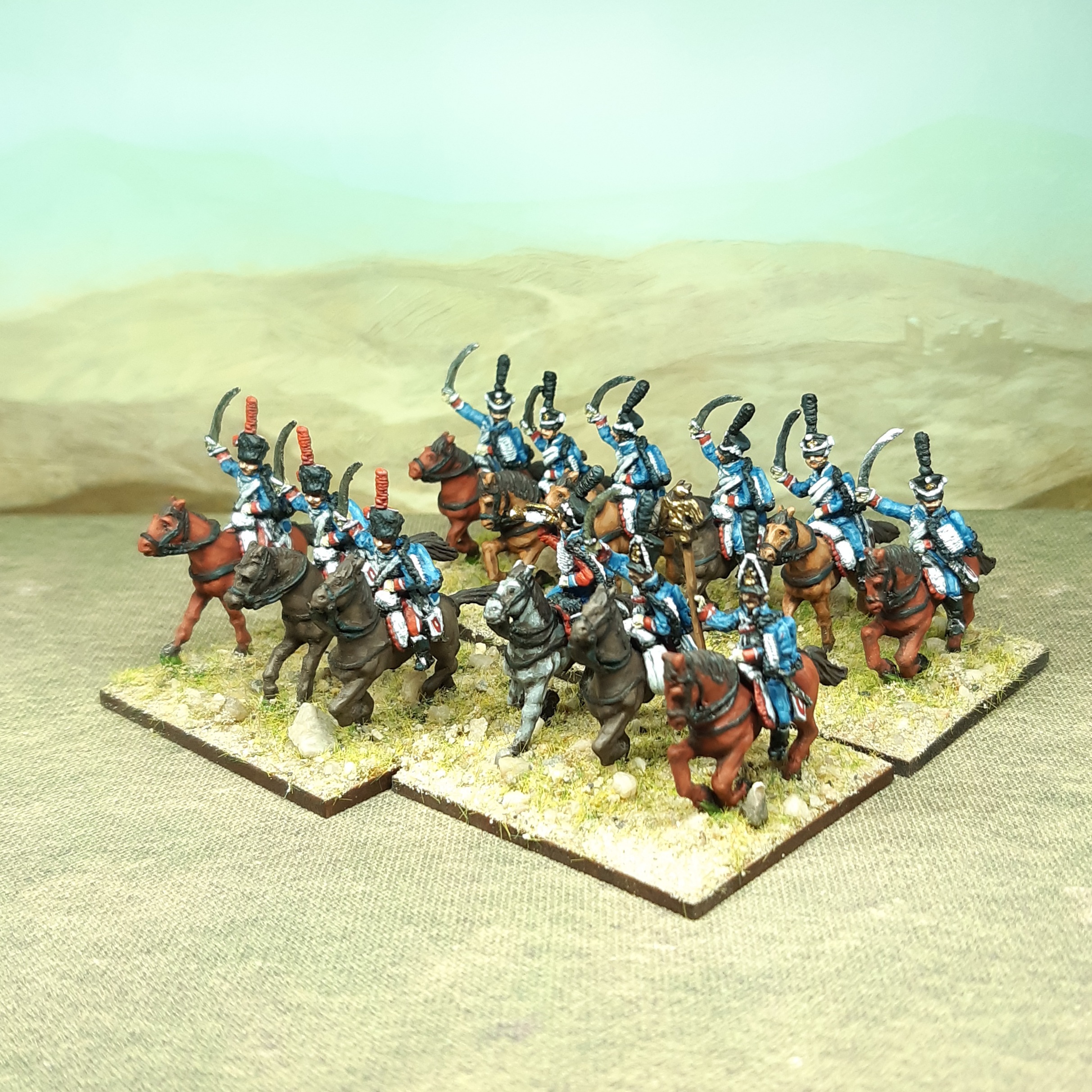
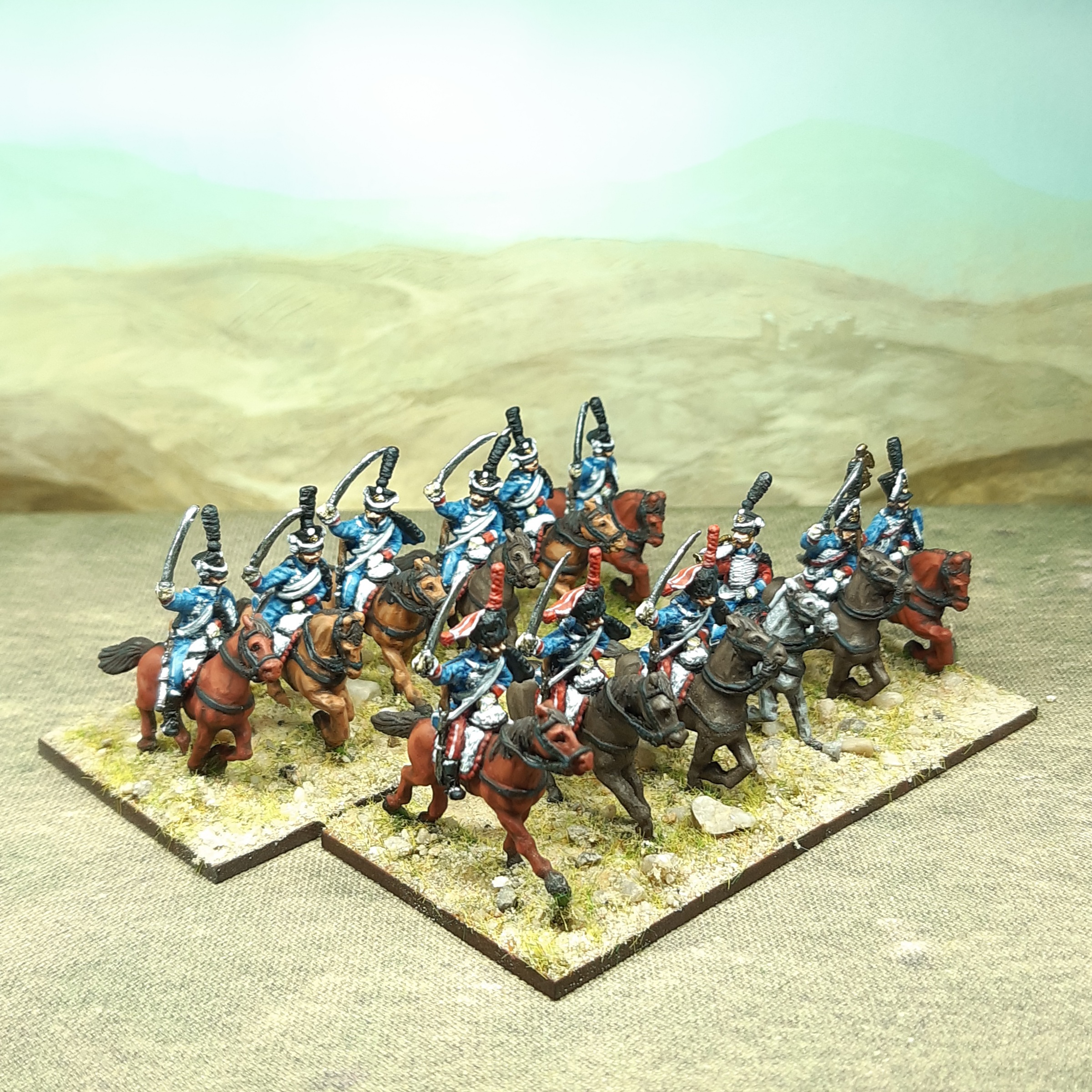
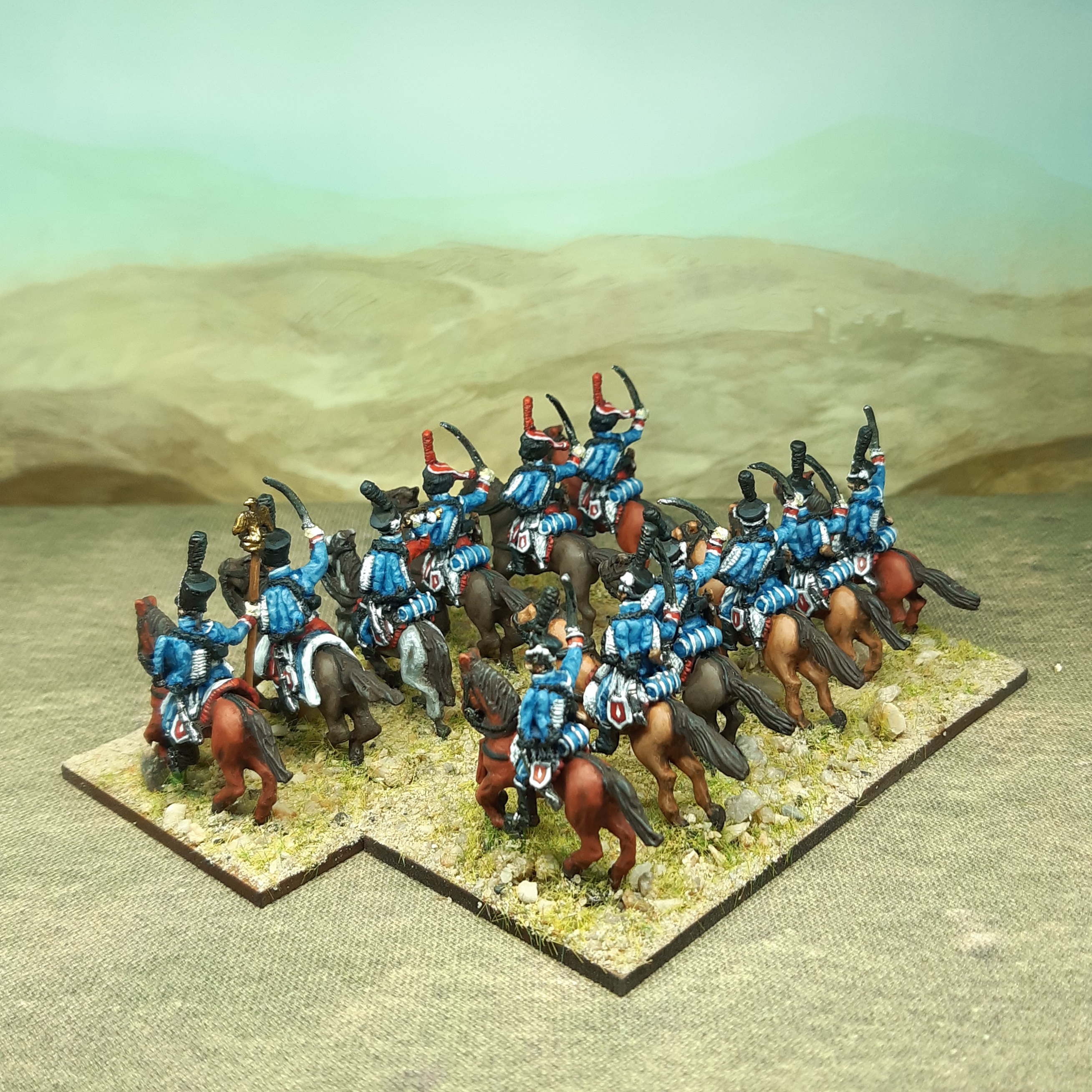
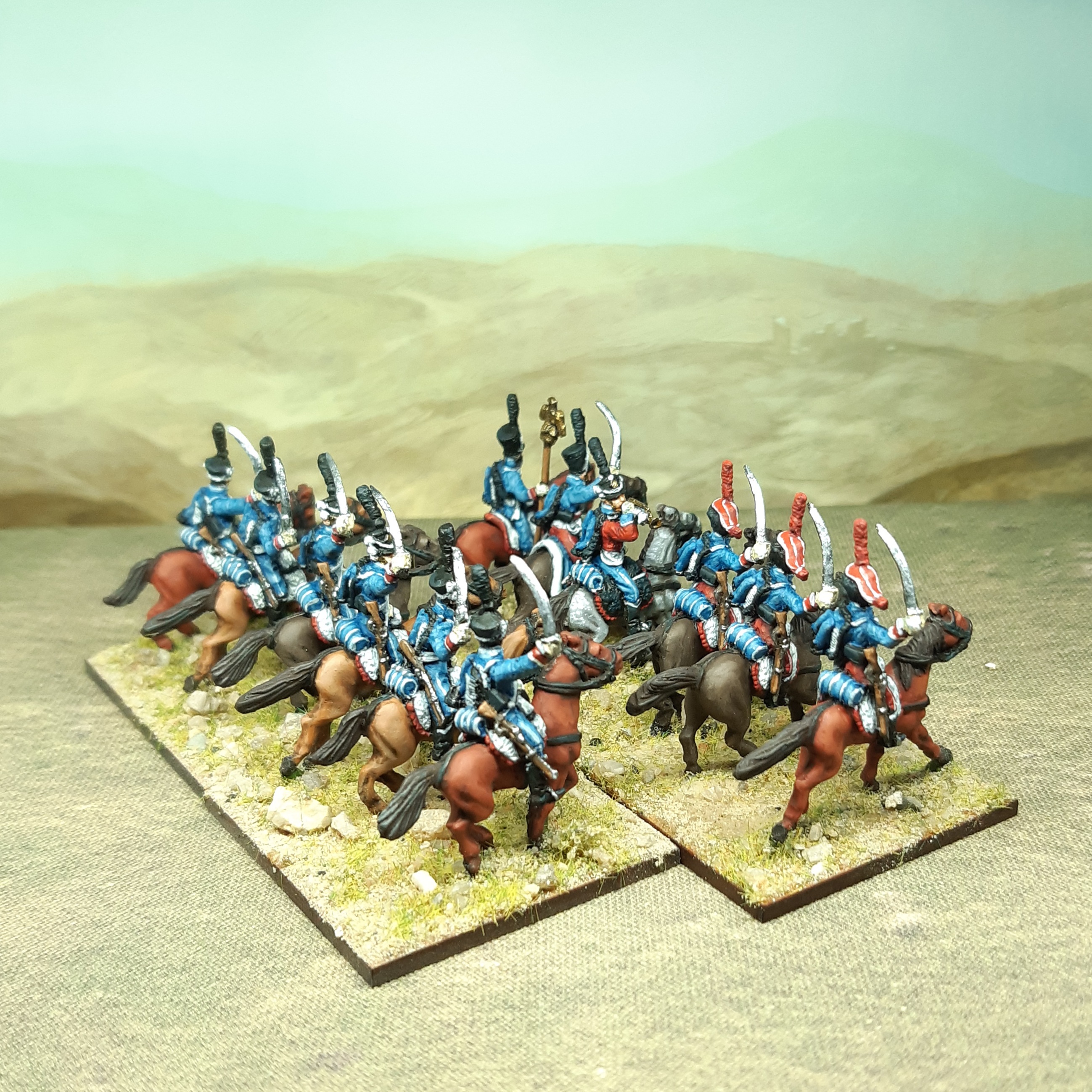
It has again been quite a while since I added anything to this project, but I’ve added another lot of French light cavalry, this time some dashing Hussars.
I normally get my cavalry models from AB Figures, but their French Hussars are sculpted wearing buttoned up pelisses, rather than wearing them draped on the shoulder and flaring out at the charge. Instead, I picked up my figures from Xan Miniatures, who added a few French cavalry to their range at the end of last year.
I painted this lot as the first Hussars, who had a very impressive war record during the Napoleonic era. Before the Peninsula War, they fought at Marengo, Ulm, Austerlitz, Jena, Eylau, Heilsberg and Friedland. The first were with the Armées d’Espagne and du Portugal from 1808-1812 at Braga, Santillo, Sabugal and Monasterio, and won a battle Honour at Oporto. From 1813 they left the Peninsula, joining the Grand Armée in Germany.
The first aren’t the most elaborate Hussars in terms of their uniform, mostly sky blue with red cuffs, and a black trim to their pelisses. The elite Hussars add a bit more colour with red trousers, and the trumpeter wears reversed colours on the typical grey mount.
Not my best painting; feeling a bit rusty at painting this scale after doing a lot of 28mm stuff recently. However they look fine at gaming distance, and I’m pretty happy with the end result.
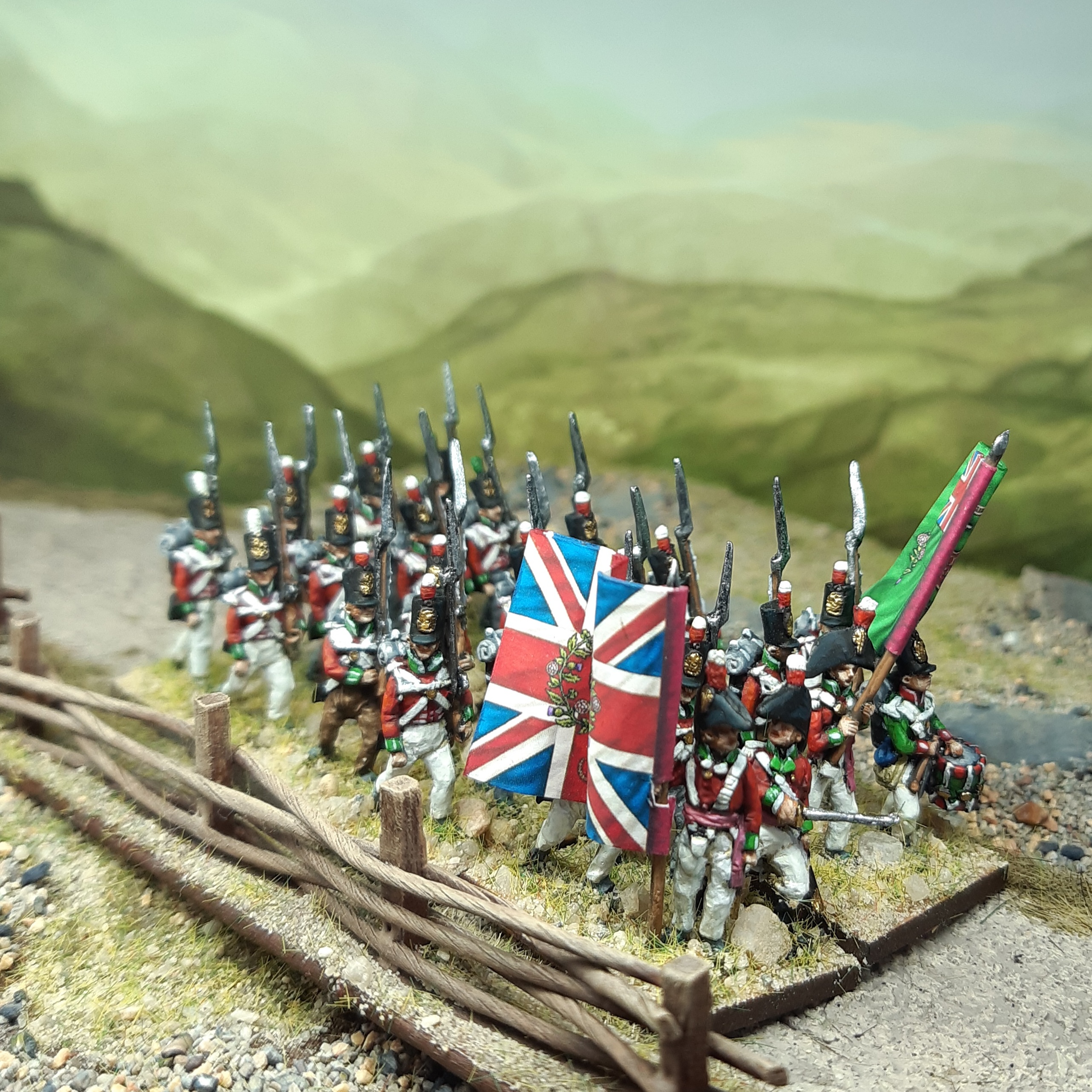
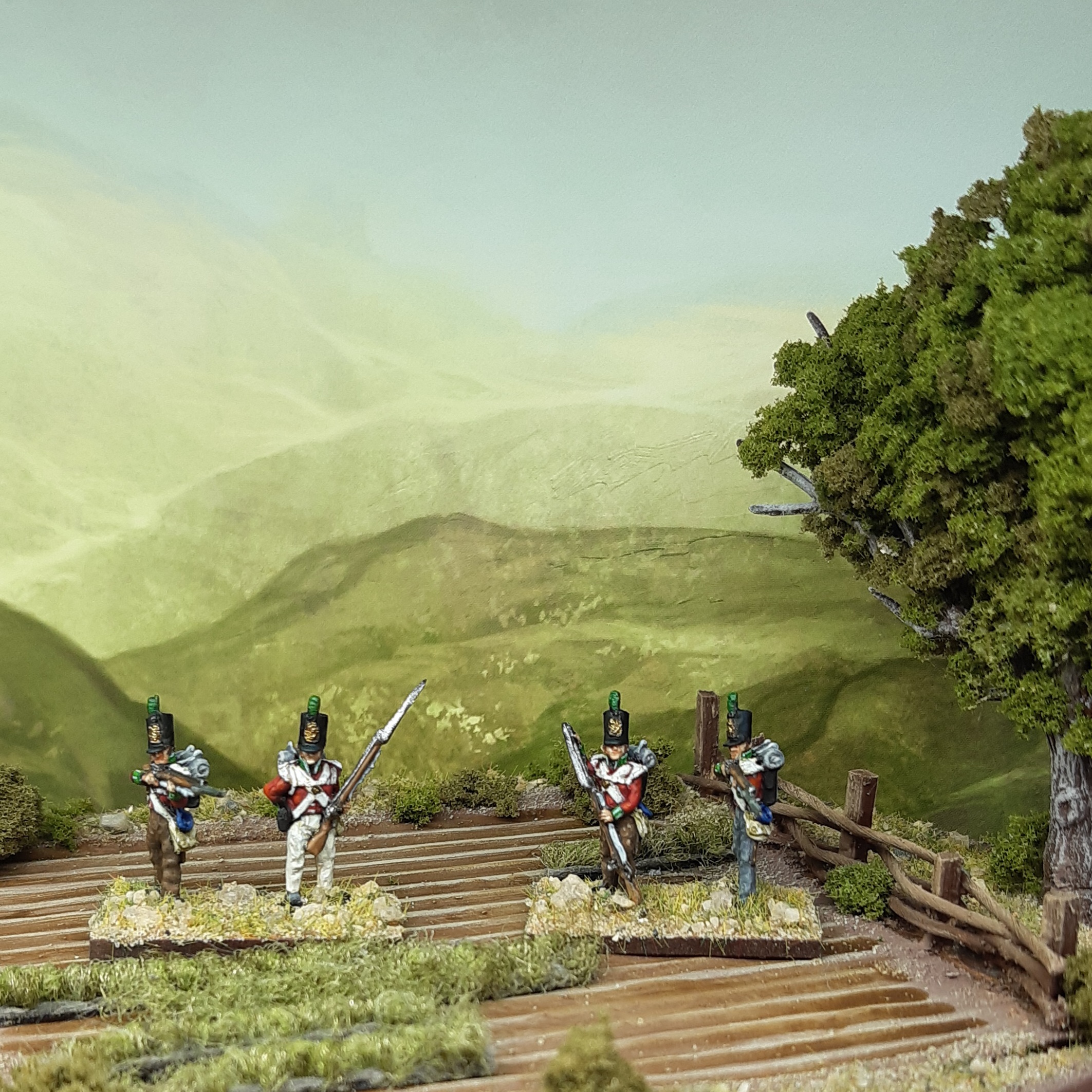
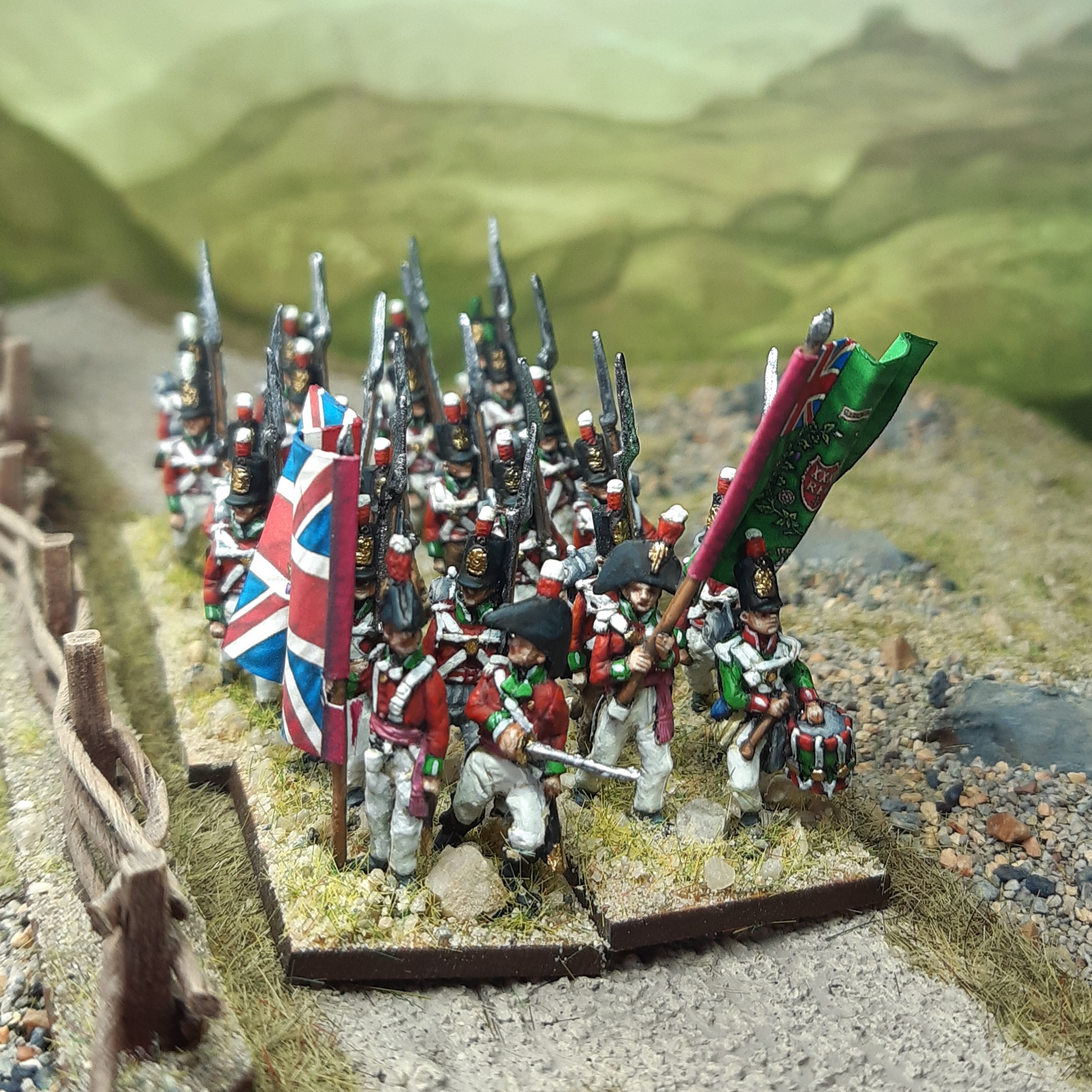
39th (Dorsetshire) Regiment of Foot
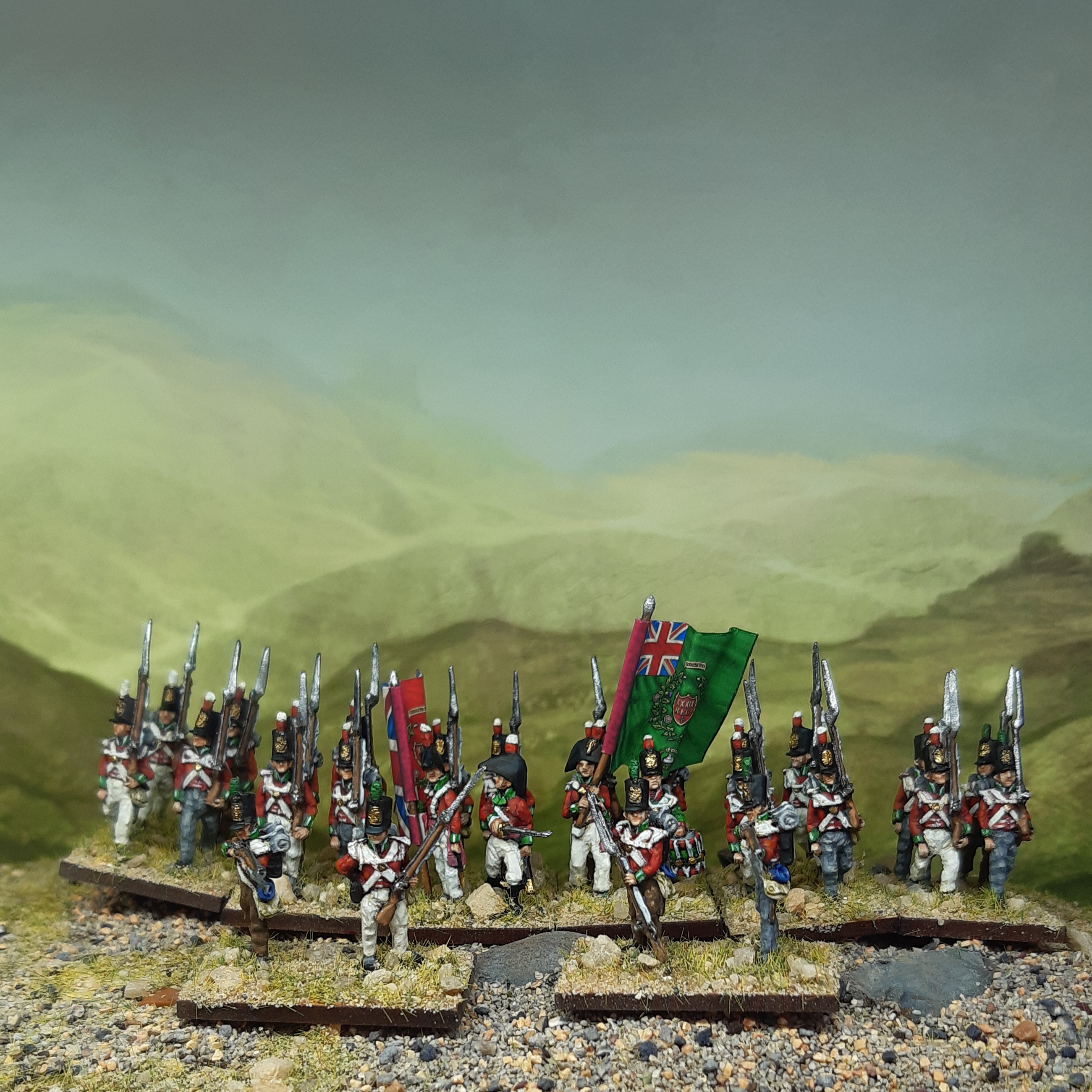
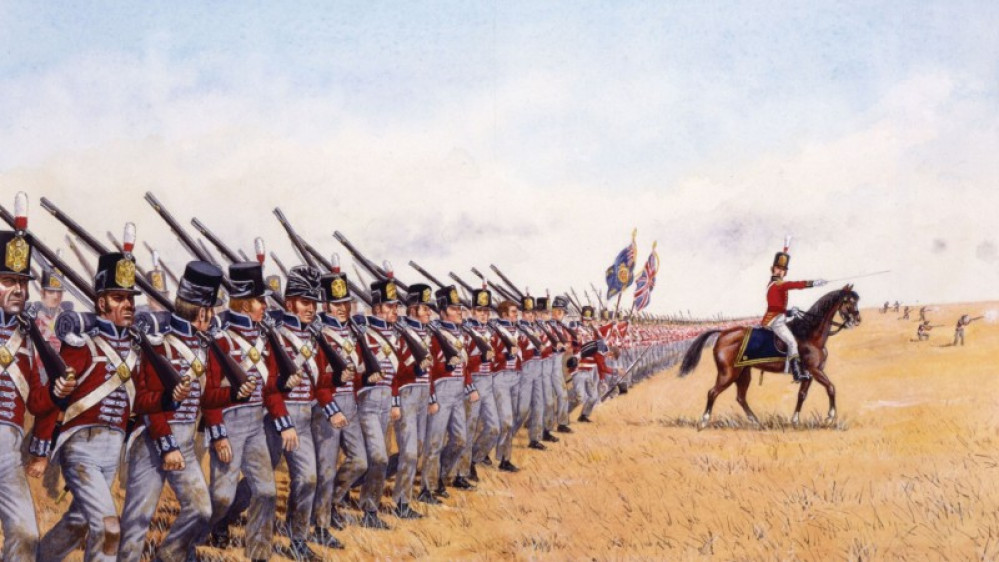
It’s been quite a while since I’ve added anything to my 15mm Napoleonic collection. I had a few spare British flank company figures, so grabbed a few more packs to get a red coat battalion up to strength.
I painted this lot as the 39th Regiment of Foot. The 39th were originally an Irish regiment raised in 1689, becoming the 39th Regiment in 1751 in the line infantry order of precedence during the reorganisation if the British army at that time. A county affiliation with Middlesex was established in 1782, which was switched to Dorsetshire in 1807.
The Regiment served across the globe, from Ireland to the Caribbean, Gibraltar to India; indeed they were the first British Regiment deployed to India, giving them the motto ‘Primus in Indis’.
In terms of the Napoleonic Wars, the 39th had a first battalion that served in the Caribbean, Malta and Sicily. A second battalion was raised in 1803, which was deployed to the Peninsula in 1809, fighting at Talavera, Bussaco, Badajoz and Albuera.
The first battalion joined Wellington’s army in the Peninsula in 1811, absorbing the battered survivors of the second battalion, whose officers returned home to recruit. The first fought at Vittoria, and crossed the Pyrenees into France. In 1814 they were sent to Canada to join the War of 1812 against America.
All the figures are from Xan Miniatures, with flags from GMB Designs.
22eme Chasseurs a Cheval
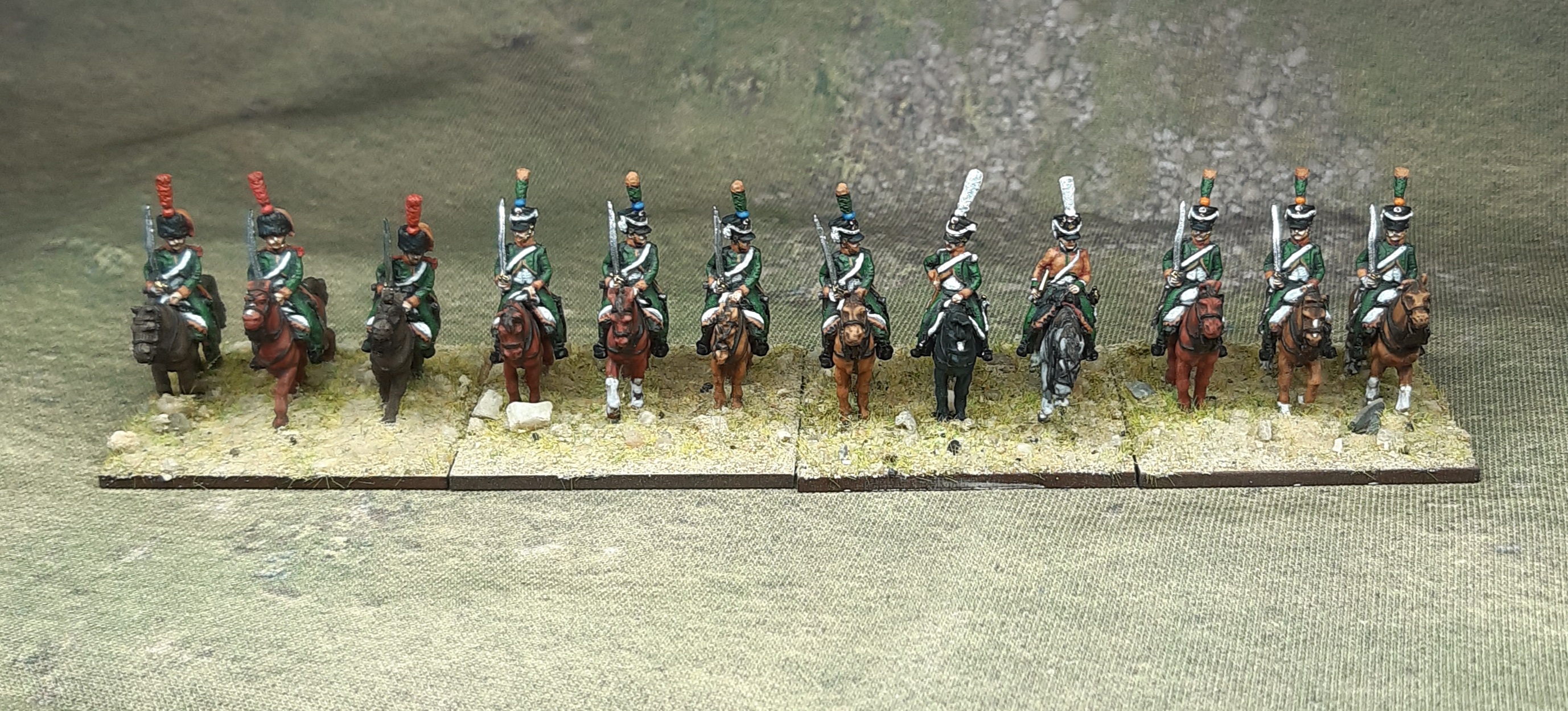
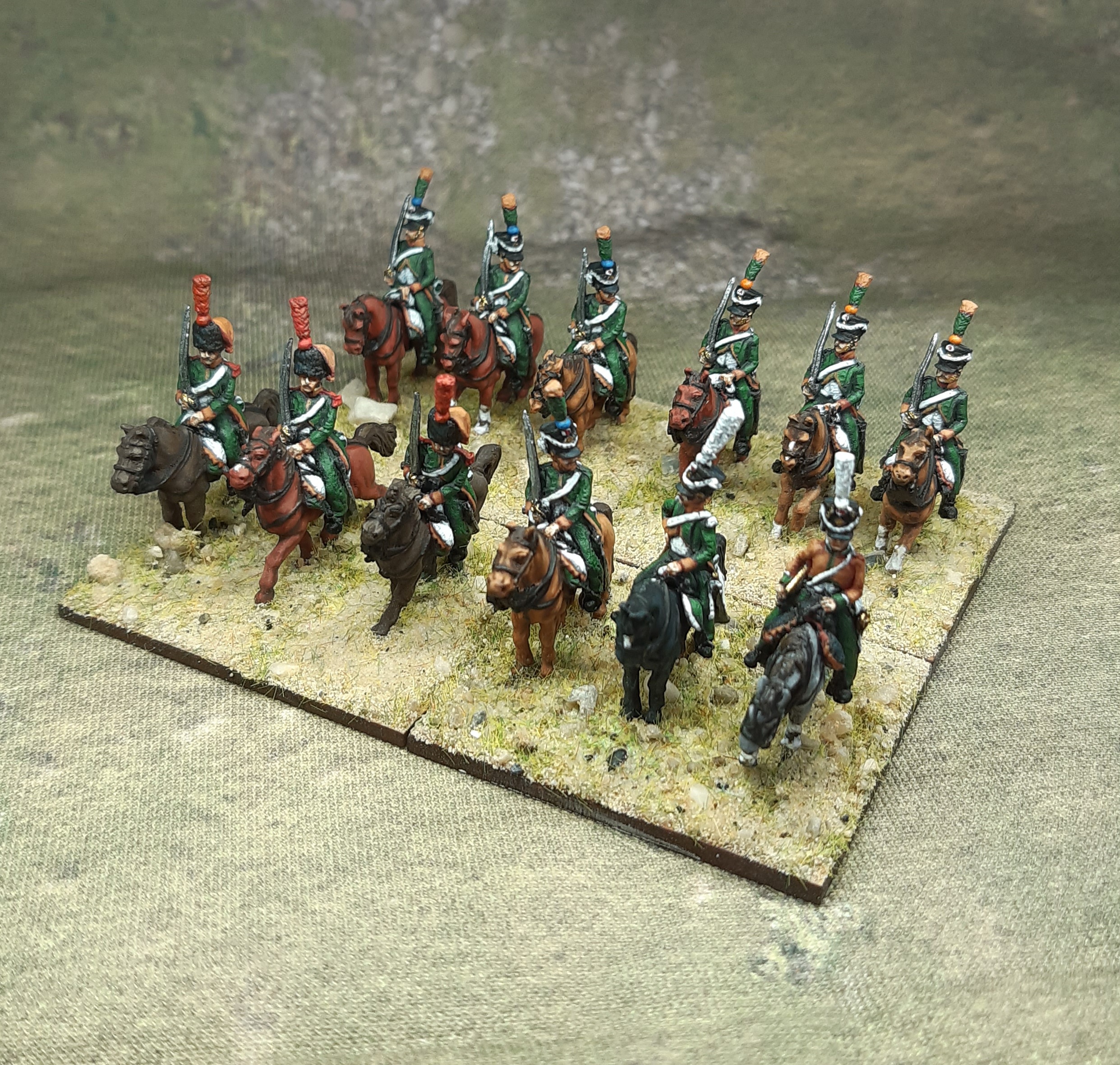
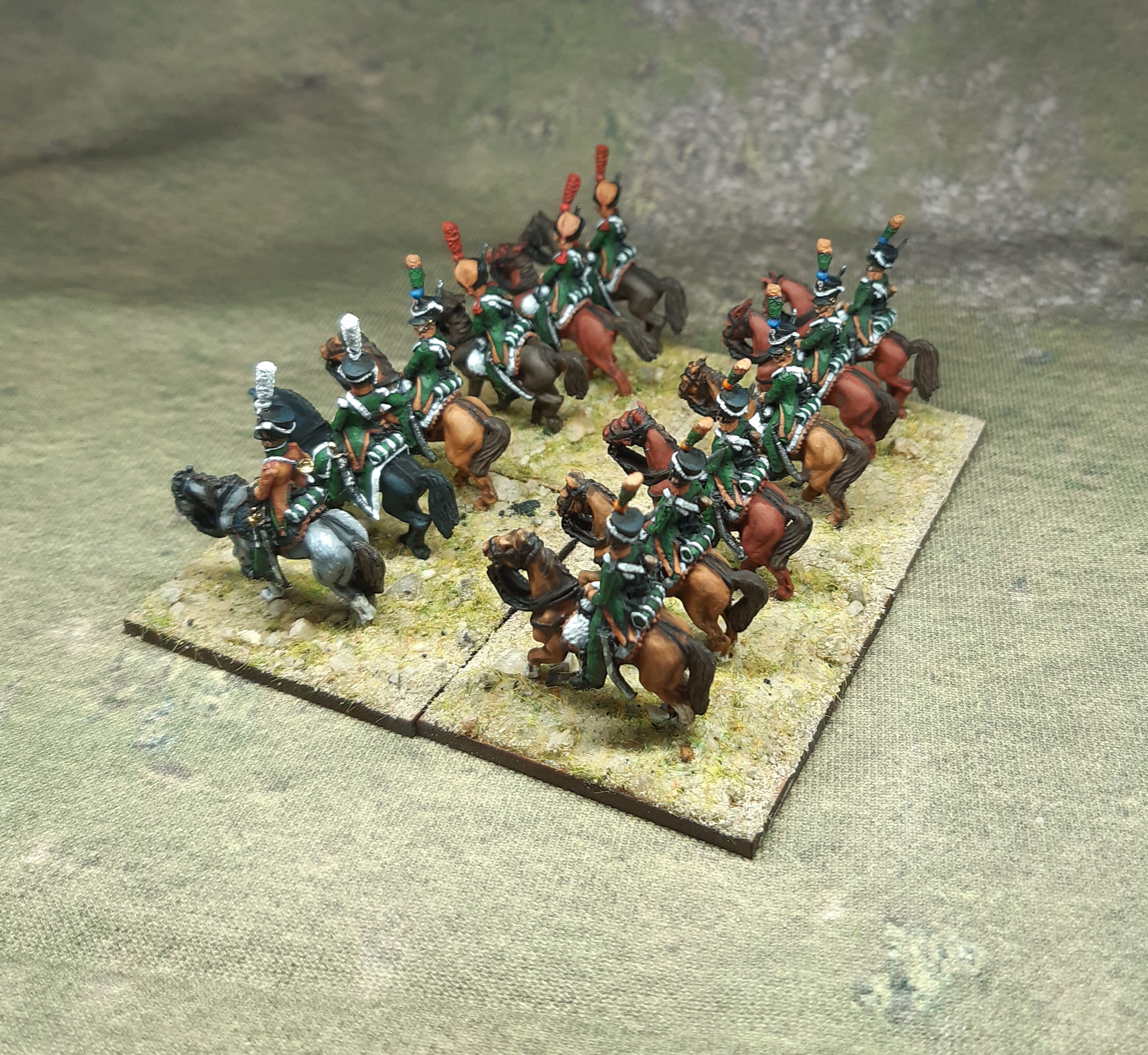
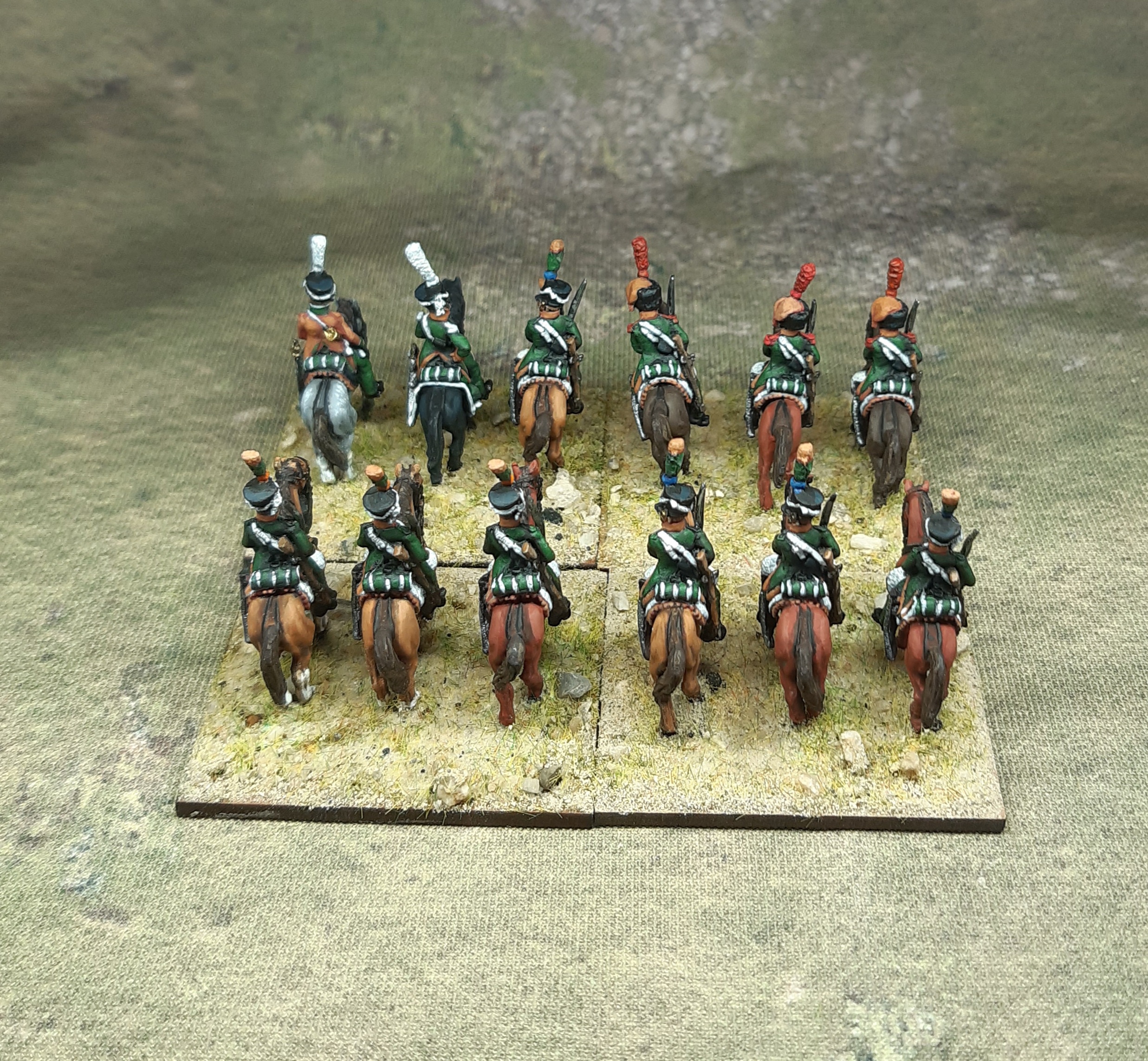
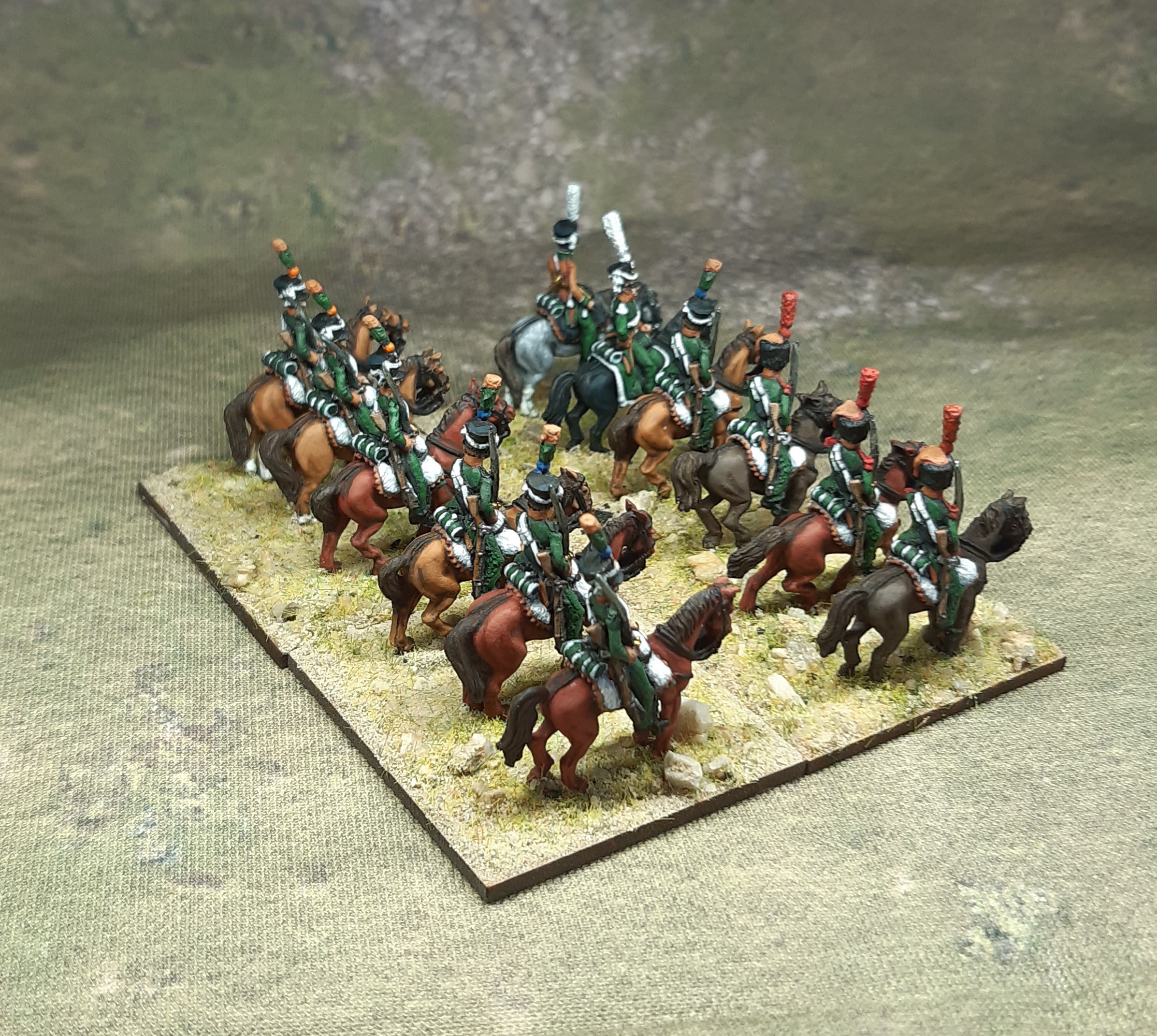
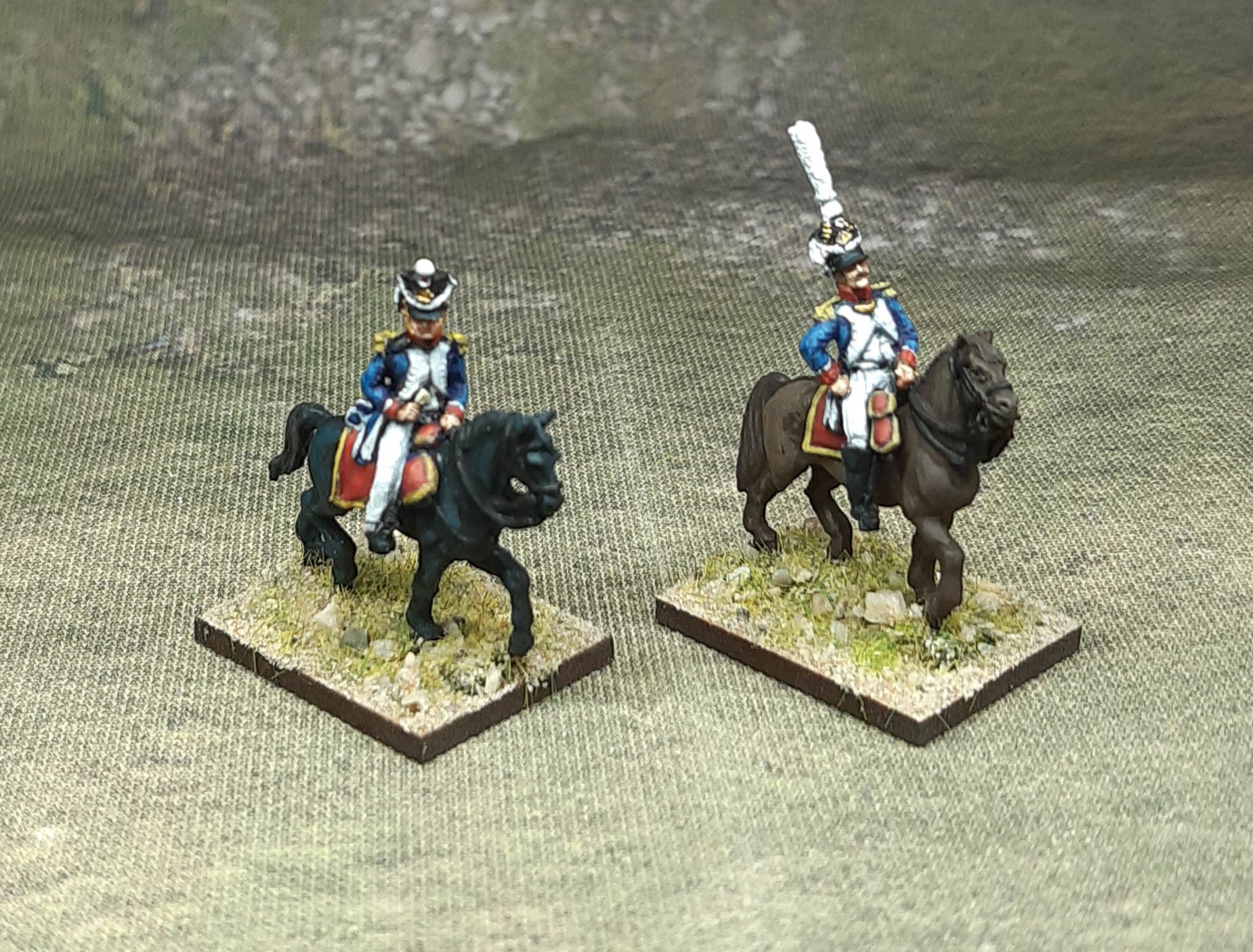
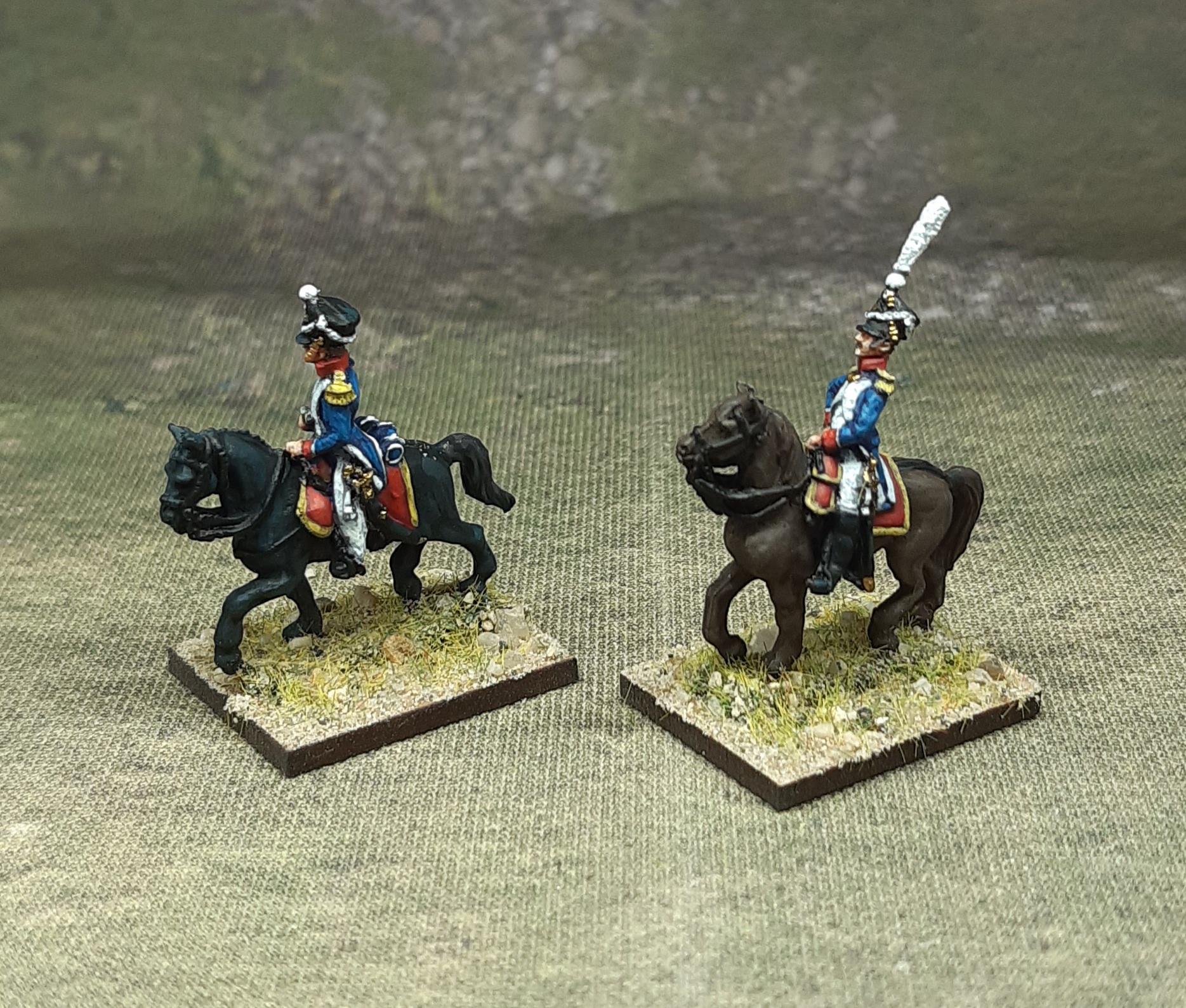
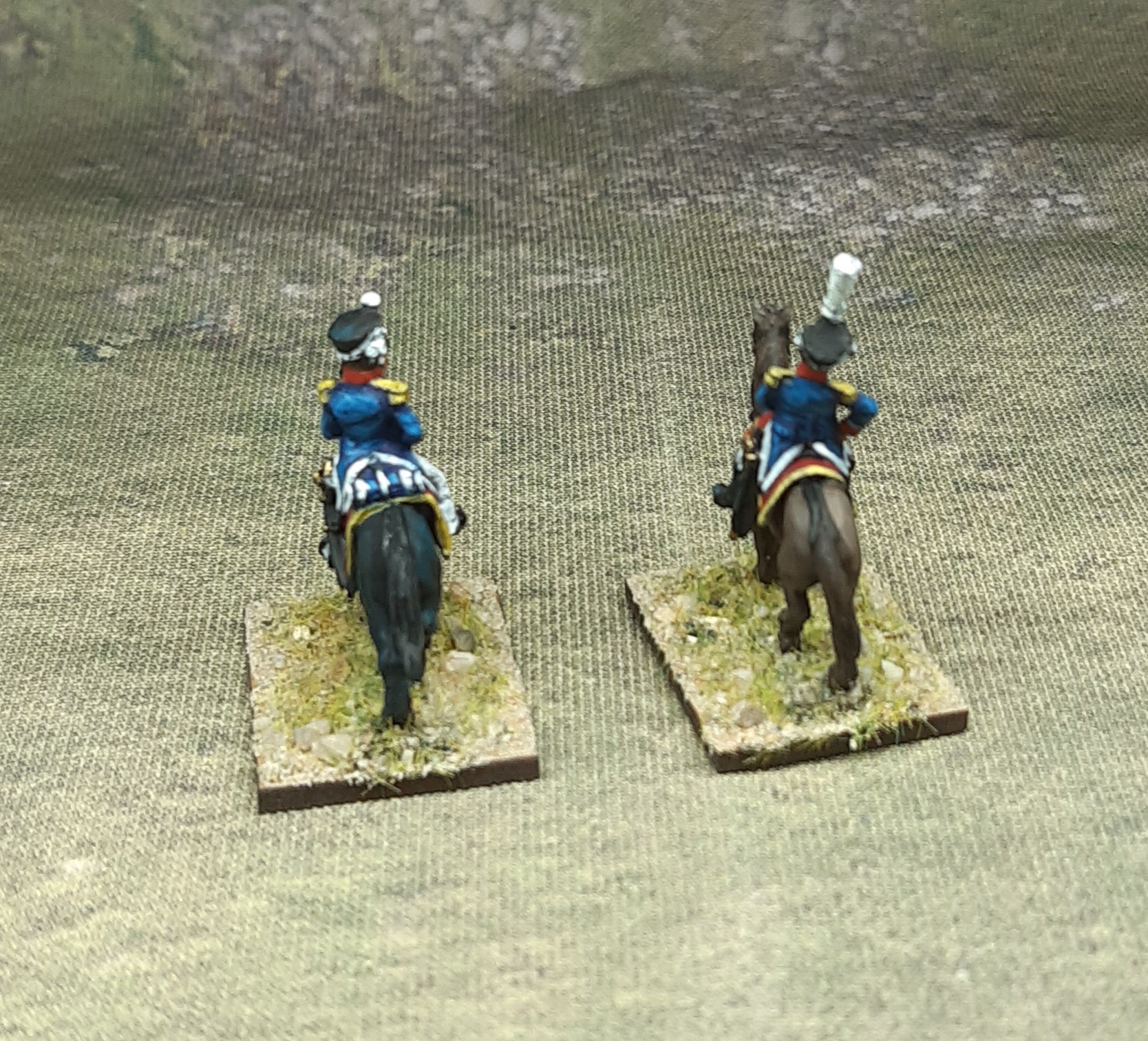
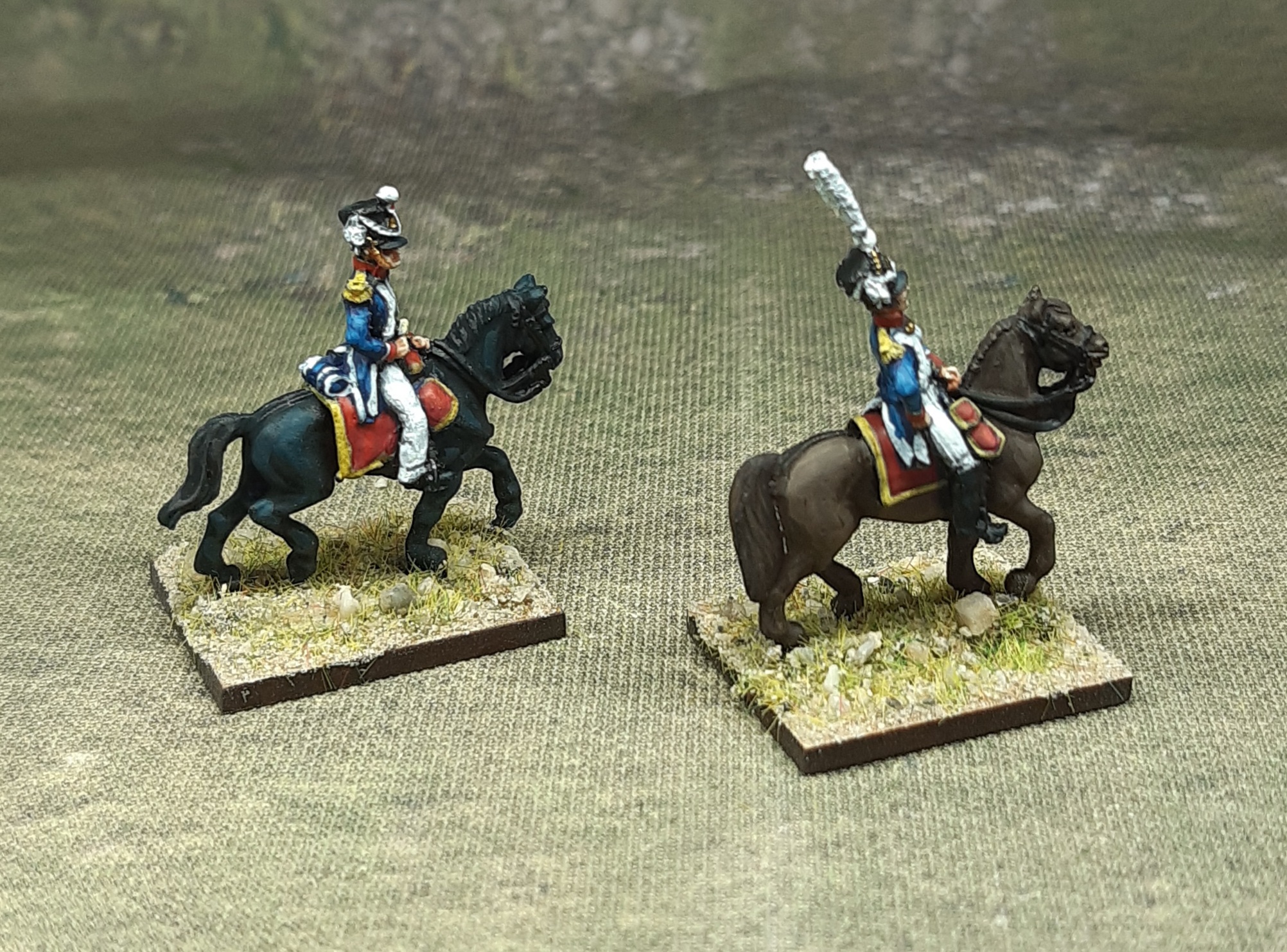
The Chasseurs a Cheval were the work horses (no pun intended) of the French light cavalry. Less flashy than the hussars, but undertaking the same light cavalry roles such as reconnaissance, scouting, screening the army.
Each regiment of Chasseurs was formed of eight squadrons, the first of which was the elite squadron. These chaps had red plumes and epaulettes, and wore a colpack rather than a shako. Reforms to uniform in 1812 theoretically retired the colpack, but most regiments chose not to comply and retained them.
I chose to paint these as the 22eme regiment. The regimental colour is caupacine, a burnt orange-brown, which I honestly struggled to get a good match for. The 22eme served throughout the Peninsula War, often split down with squadrons spread between different formations. Their combat record included Medina-del-Rio-Seco, Niou, and the cspture of Burgos, Hoya, Benavente, Pont-Vedra, Astagora, Sabugal, Arapiles, Pancorbo, Torquemada, Burgos and Vittoria.
These models are all by AB Miniatures.