







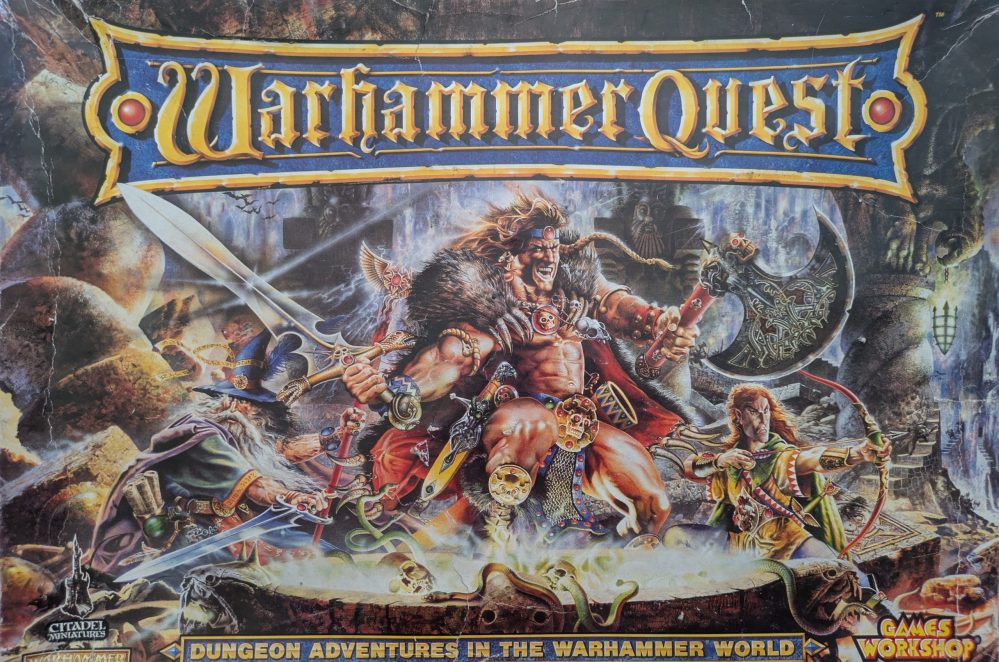
WARHAMMER QUEST: RE-CREATING MIDDLE-HAMMER'S FINEST DUNGEON CRAWLER



DESIGNING THE BOARD SECTIONS
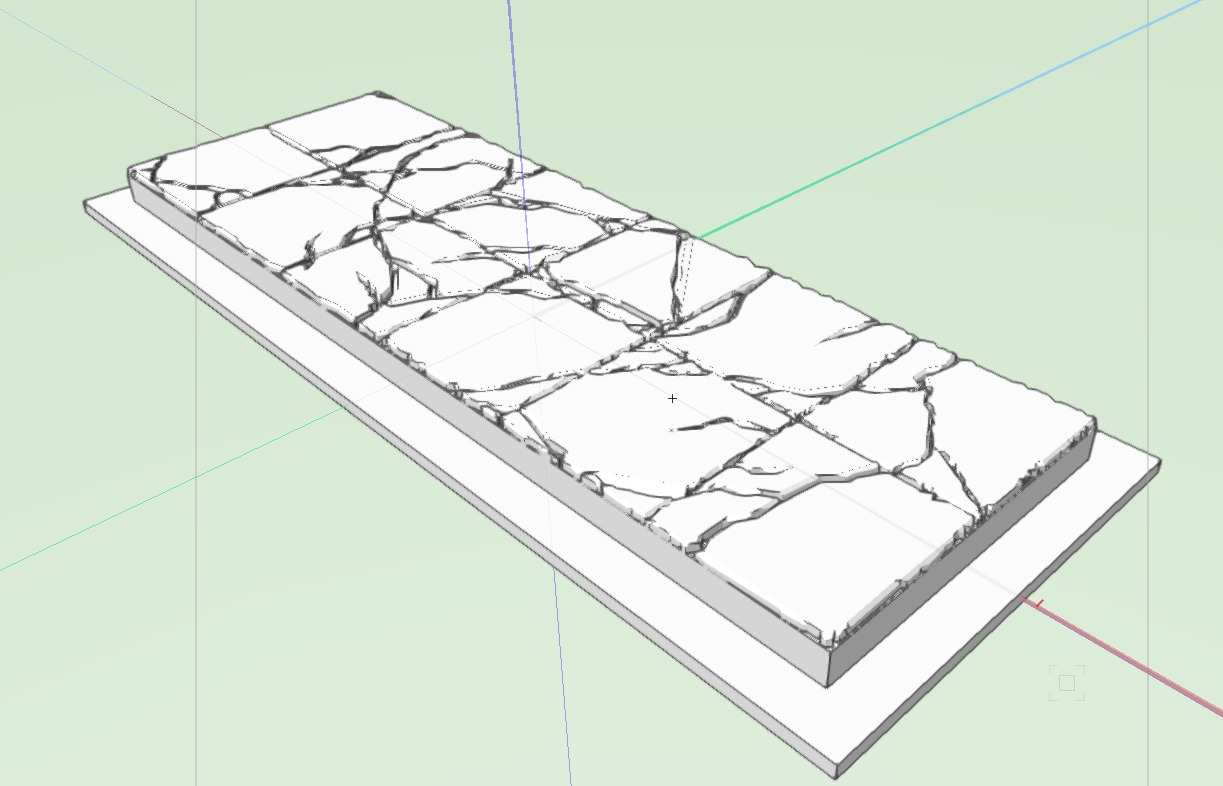 I created the 3D files using Vectorworks, which is an architectural drawing program. The downside with this is that organic shapes can be difficult or impossible to recreate
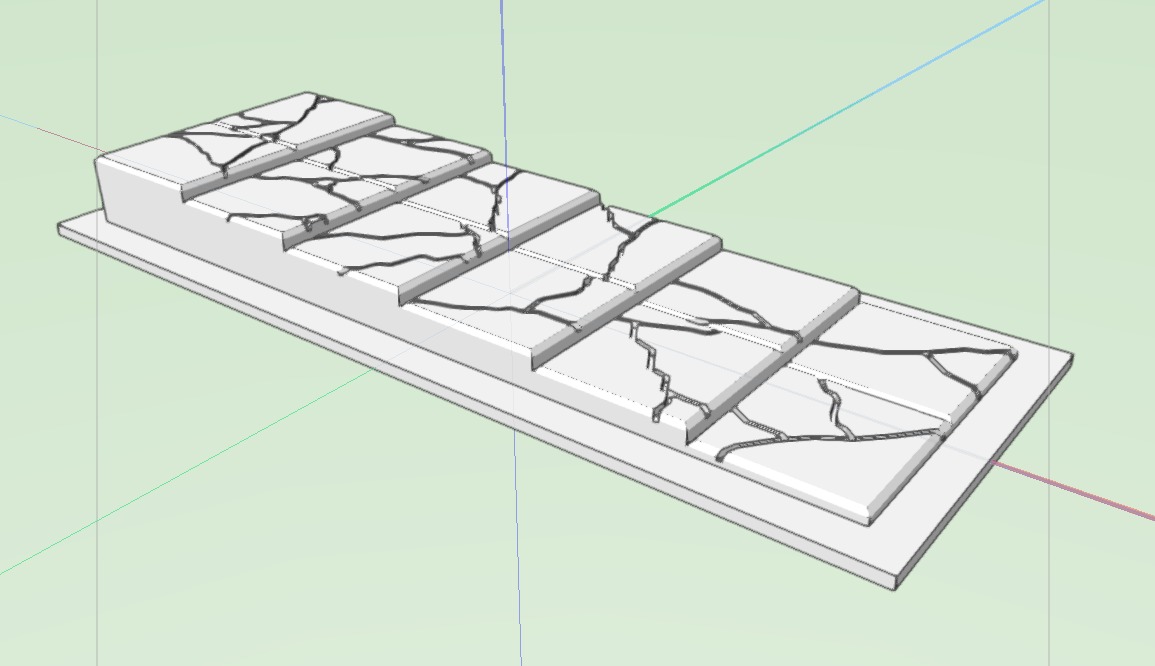 One of my initial hurdles was correctly choosing the height of the tiles. Some rooms have lower levels, but raising up the entire board on the off-chance one of these rooms might be in your dungeon deck seemed to be a bit of a waste of filament. I decided to pick heights I was happy I could get away with and not to worry too much about the reality of the levels. Higher up sections or rooms could be handled easily, it was rooms like the Fire Chasm and Fighting Pit that would be an issue. I decided to split the difference, and where necessary use forced perspective
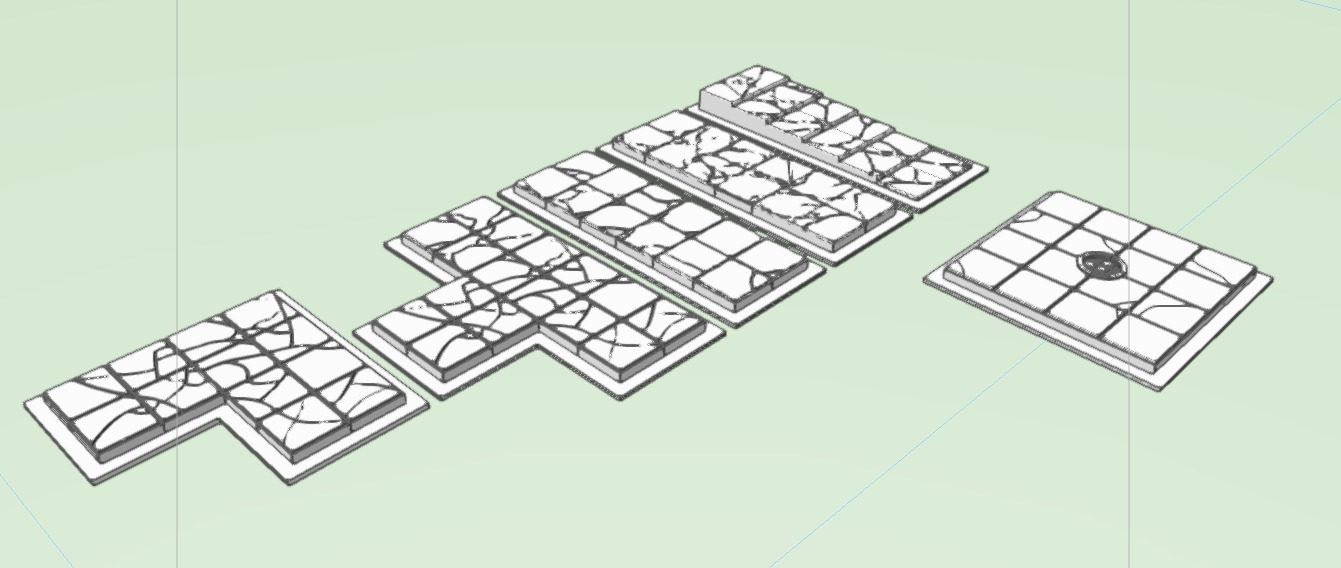 I worked through the 2 corridor sections at first, the T Junction and corner, before starting on the dungeon rooms
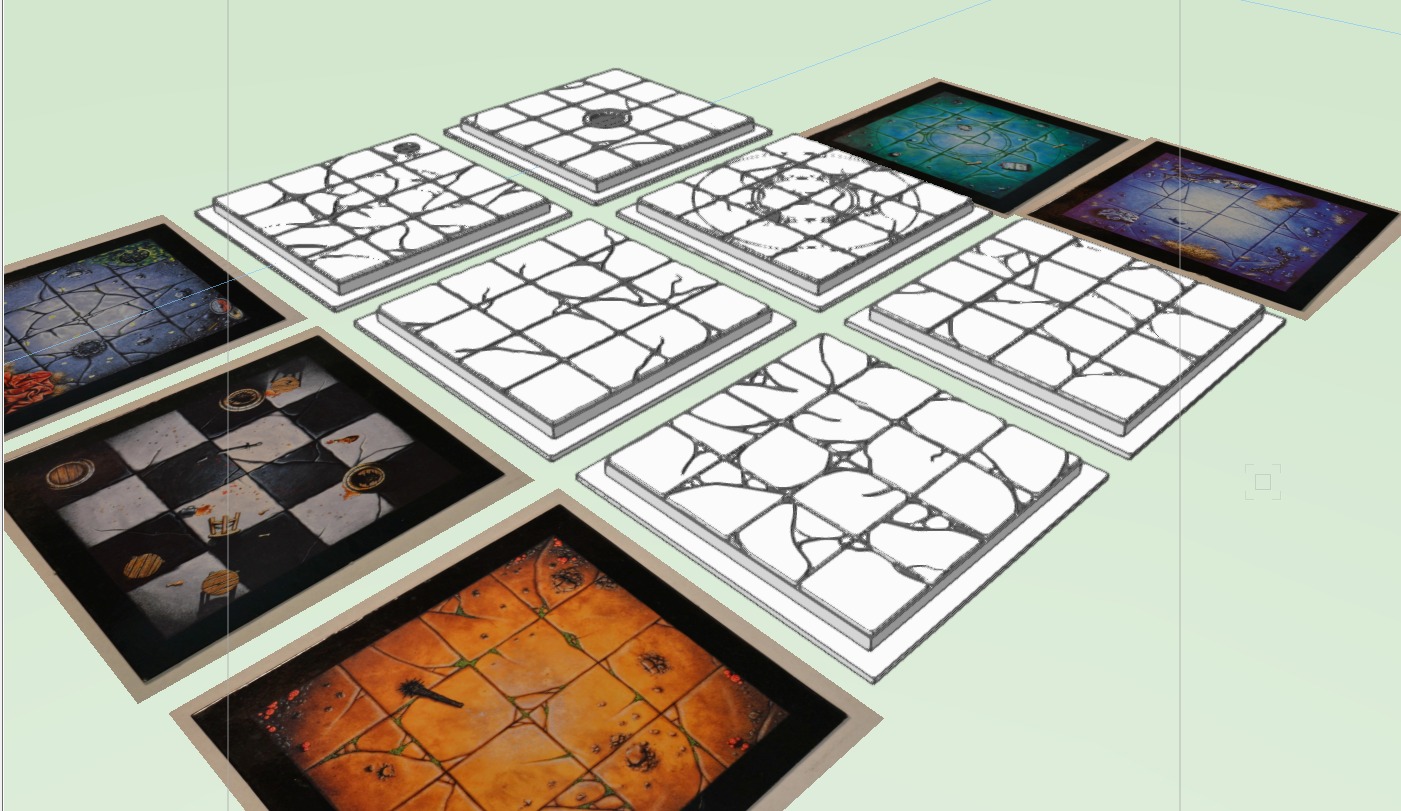 While designing the rooms I realised I had another issue. The rooms had quite a few great bits of added detail, like discarded weapons, furniture, and general detritus. However, if I replicated these on the square then I wouldn't be able to put an actual miniature on that square! I wanted the flavour of the room, but they also needed to be playable, so i opted to leave them off and just ensure the rooms were identifiable at the painting stage
Subscribe
Login
Please login to comment
0 Comments
oldest

![Sneak About With Star Wars: Legion’s Guerilla Troopers & More [UPDATED]](https://images.beastsofwar.com/2026/09/g-troops-star-wars-cover-600-338.jpg)