Google Analytics is a powerful tool that tracks and analyzes website traffic for informed marketing decisions.
Service URL: policies.google.com (opens in a new window)
_gat
Used to monitor number of Google Analytics server requests when using Google Tag Manager
1 minute
_gid
ID used to identify users for 24 hours after last activity
24 hours
_ga_
ID used to identify users
2 years
_gali
Used by Google Analytics to determine which links on a page are being clicked
30 seconds
_ga
ID used to identify users
2 years
__utmx
Used to determine whether a user is included in an A / B or Multivariate test.
18 months
__utmv
Contains custom information set by the web developer via the _setCustomVar method in Google Analytics. This cookie is updated every time new data is sent to the Google Analytics server.
2 years after last activity
__utmz
Contains information about the traffic source or campaign that directed user to the website. The cookie is set when the GA.js javascript is loaded and updated when data is sent to the Google Anaytics server
6 months after last activity
__utmc
Used only with old Urchin versions of Google Analytics and not with GA.js. Was used to distinguish between new sessions and visits at the end of a session.
End of session (browser)
__utmb
Used to distinguish new sessions and visits. This cookie is set when the GA.js javascript library is loaded and there is no existing __utmb cookie. The cookie is updated every time data is sent to the Google Analytics server.
30 minutes after last activity
__utmt
Used to monitor number of Google Analytics server requests
10 minutes
__utma
ID used to identify users and sessions
2 years after last activity
_gac_
Contains information related to marketing campaigns of the user. These are shared with Google AdWords / Google Ads when the Google Ads and Google Analytics accounts are linked together.
90 days






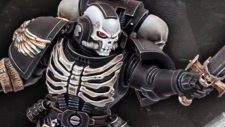







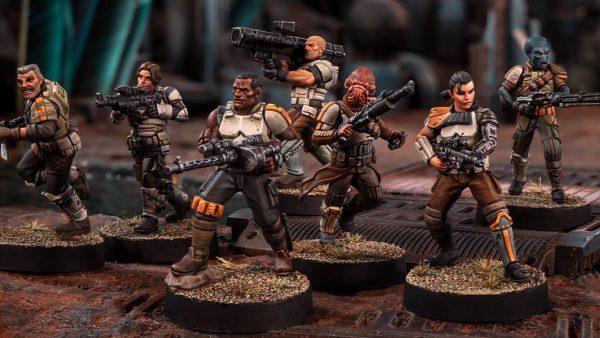
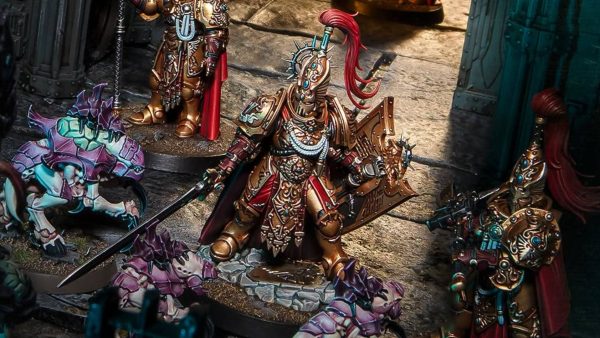
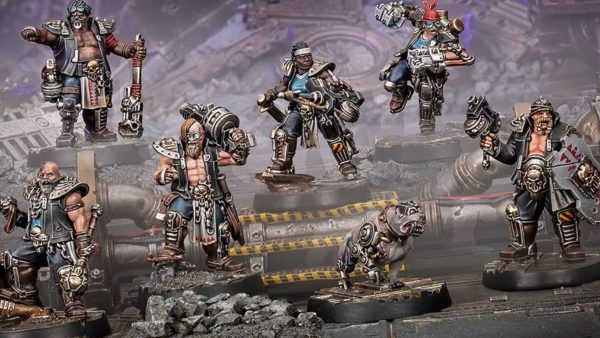
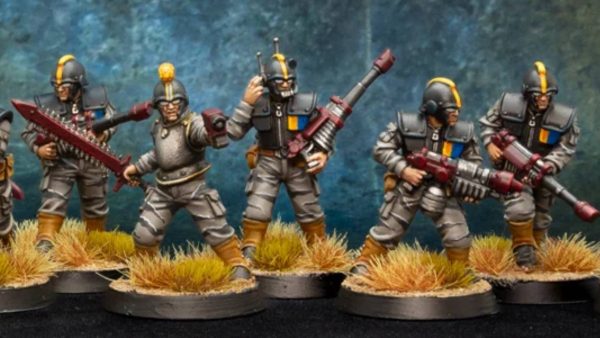
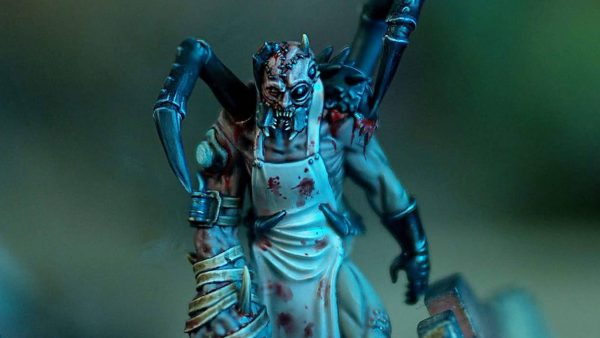
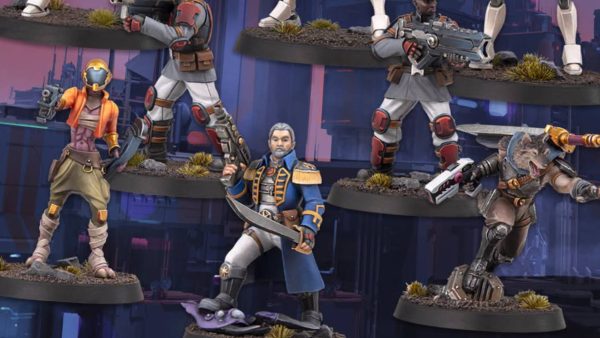

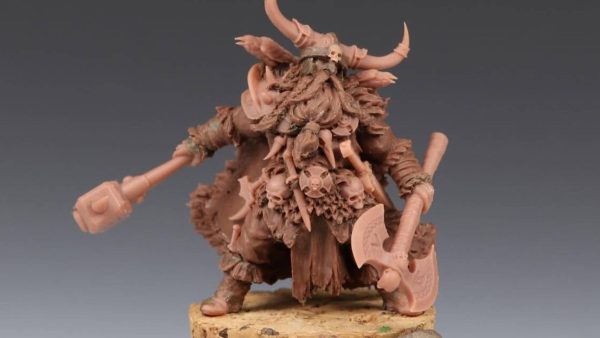

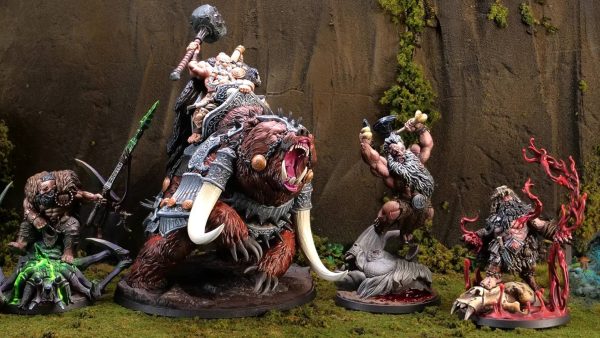
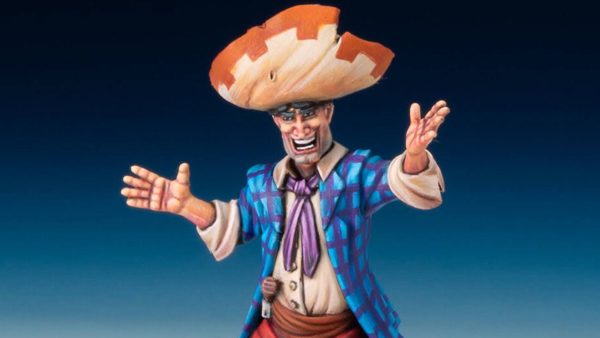
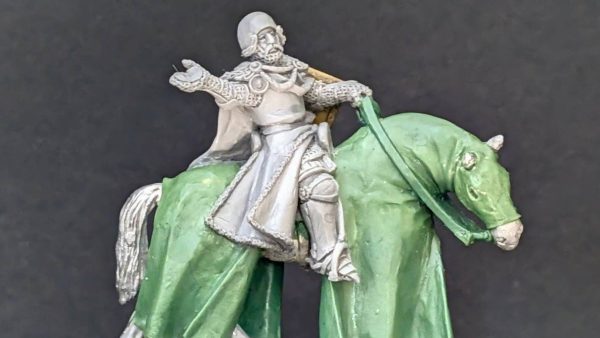
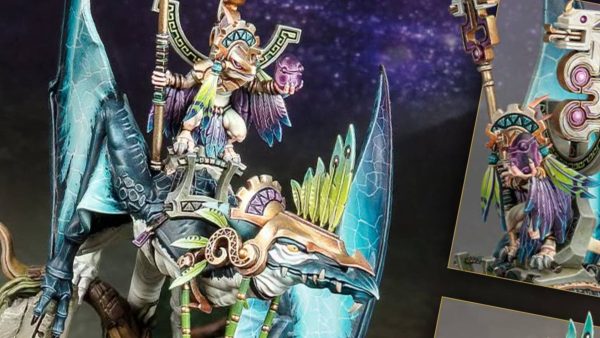
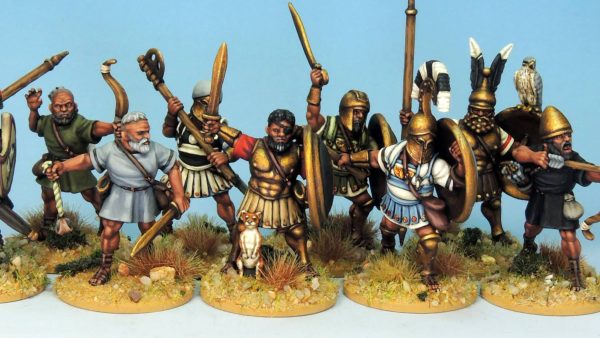
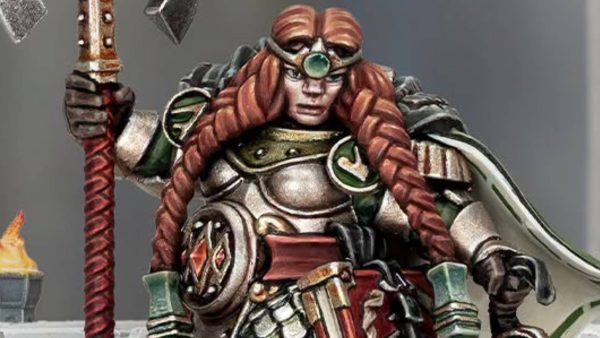
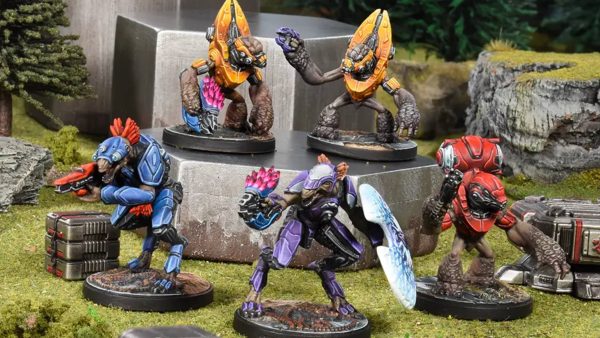
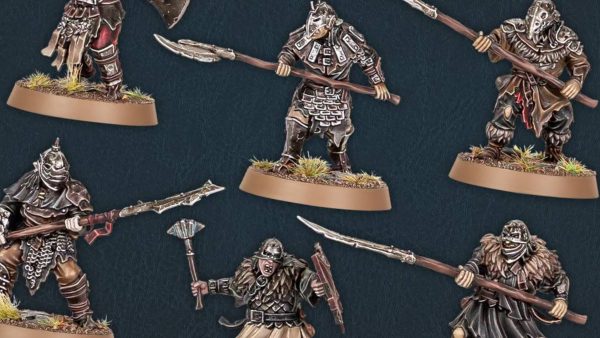
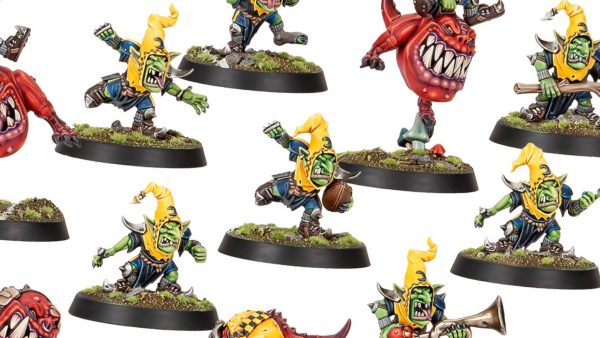
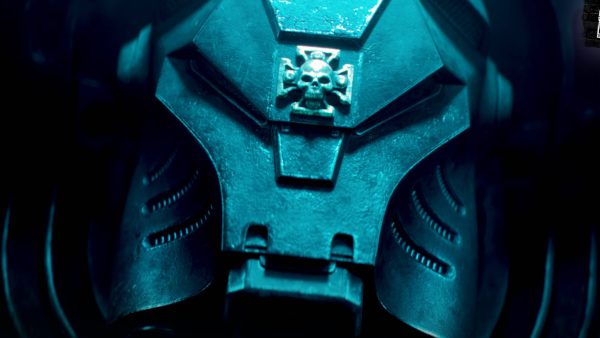
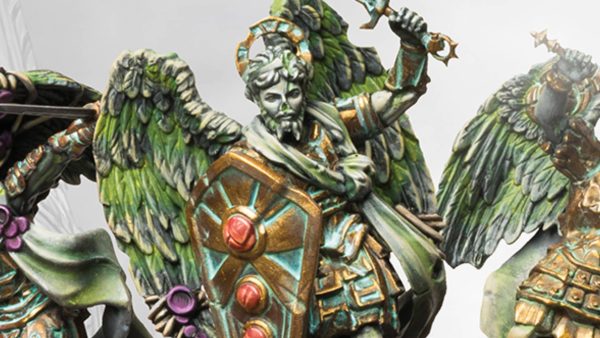
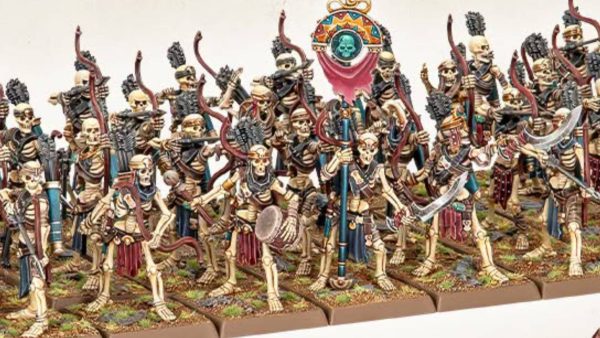
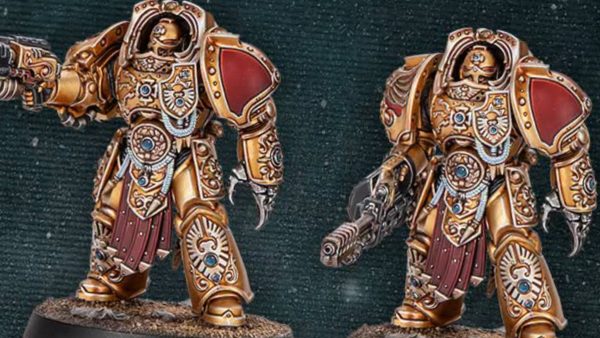


Nice to have another Romain video for 40k…
Also nice to see he has developed his very own humour…
Meow… Harsh !
Wasn’t ment that way… Really…
I just ment that everyone of the BoW team has developed his own style of humour… And that that’s fun… Not saying you weren’t funny before or sthing like that…
Oh god. I’m awful at this.
You’re doing fine… At least it’s entertaining ! 😀
I completely understand your meaning, no harm done… And thank you for your compliment !
Never watched a painting vid before and really enjoyed this. Really intrigued by the 3 colour base coating method. Might give that a try on some Wolves I’ve got.
In my experience there are advantages and disadvantages.
Pros:
– If you have nice even basecoat that is still slightly translucent, the shading and highlighting goes much quicker. (The primer is an undercoat. The basecoat is the first coat of color you put on top of it)
– Natural textures tend to look more natural more easily. Fur and hair in particular looks better when I undercoat this way. Stone textures too. If you leave just enough of the splotchyness of the primer visible through the basecoat, leather looks naturally worn (too much and it just looks splotchy, too little and it looks the same as any other undercoat). It’s fun to play with.
– Really dark areas, like the bottoms of armor plates or the ever present mini crotch area are basically done for you. Just use a thin basecoat and they’re already mostly shaded. Then it’s just touch-up work for shading, and a little bit of subtle highlighting that goes much quicker than the lit areas.
– When paired with careful drybrushing, it can produce really nice fabric tones (for rough fabrics like linen). Good for banners, kilts, heavy cloaks and the like.
Cons:
– If your basecoat is too heavy you won’t notice a difference. This makes foundation paints (or whatever they’re called now) less appealing and also makes this technique less appealing for difficult to cover colors like yellow, or white which basically require heavy coats to look good. If your model is primarily one of these difficult colors, just prime white.
– Hard smooth surfaces like armor plates may end up looking splotchy if your basecoat isn’t heavy enough. If you’re painting something with a lot of smooth surfaces, just prime white and shade the model normally. It’s easier that way sometimes.
– It’s really easy to overspray or underspray the grey and white (depending on what effect you’re going for). It takes some practice to get a good feel for it. It’s also more reliant on using good quality spray primers that atomize well and dry quickly. So no cheap Walmart or store brand primers. I only use automotive primers anyway (better than hobby brand spray paint and cheaper) so that’s not an issue for me, but some people use really crappy paint brands.
Bottom line for me: It’s a useful technique, especially for painting entire units of figures more quickly, but it’s not appropriate for every miniature. It’s just another tool for the toolkit. Next, I intend to use similar techniques for speed painting with an airbrush (check out Les Bursley’s tutorials for examples of what I mean).
It will be nice to see Romain actually finish a mini again. I really like the painting tips that you’ve been doing lately (thanks again for the NMM videos), but it always seems a shame to watch you paint less than half of a mini and leave the rest plain white, presumably forever.
This one was big, so there was some white left after the tutorials… I finished it off camera.
But I did finish it !
I see a Chaos Lord and I want to paint it black…
Recently used the Army Painter metals myself and love it. It’s so much better than other metals I’ve tried, it’s like painting with mercury – so smooth, flows so well and doesn’t have that glittery look. The silvers anyway, I’ve got Greedy Gold and didn’t find it covered as well. I’ve not been brave enough yet to use them with my good brushes but with the fine grain I don’t think they’ll destroy brushes in the same way other metals I’ve used do.
I haven’t had any adverse experience with metals… They don’t tend to ruin my brushes any more than other types of paint.
As long as you clean your brushes right, there’s no need for a special treatment when metallics are used…
Might just me being a bit heavy handed with the application 😉 I was going through a brushes quicker than I’d liked and I’ve blamed it on the metallics. I could go a while without painting using metallic paint but then not long after using some the tips would start to splay.
Probably me overloading my brush and paint with the larger particles getting under the ferrule then drying in there but using cheaper synthetic blend brushes for metals and the nice sable for other paints cured my issue.
That aside I’ve found the Army Painter far nicer to paint with than GW or Vallejo regular metal paints. It’s smoother than anything I’ve used before. Yet to try Vallejo’s Model Air but now I’ve got the Army Painter I don’t feel the same need to get a better metal paint. 🙂
Yes, they are easy to work with, and very smooth indeed ! I like teh Army Painter warpaints very much… But I have found the opacity/homogeneity/pigment concentration they offer a bit lacking for basecoats, especially the reds and the clear colours.
As for your metallic issues, I think the culprit is that some brands used to use different thinners (and some still do) when it comes to metallic paints, as is attested by the different smell they sometimes have… But perhaps you’re right in blaming larger paint particles.
The pre-shading with the primer sounds like a really nice idea. It looks to me like all of the basecoating was then done using washes? That sounds a bit more tricky – getting the right consistency wash to colour the model, but still allowing the pre-shading to show through.
Whenever I try to use a wash it seems to end up either too thick or too thin and leaves water-marks on the model when the paint dries! Do you have any tips for wash consistency and using them?
Thank you for your interest !
With the technique I use, paint is never opaque, whatever the priming. Opacity is reached with several coats of dilute paint : it’s finer, more homogenous, allows for better control or detail, hue and light… And it doesn’t flood and drown any of the details.
Clear or white priming is best for this option, quite obviously, as white will be tinted more easily and black simply won’t.
Good consistency comes with experience… Paint should ideally have the consistency of soup, and the transparency of broth. Whatever the consistency, it will ALWAYS leave water marks if you allow it to happen, but avoiding it is all in the brush stroke, not in the paint…
A drop of paint medium in your mix helps the paint to dry less quickly, which allows you to prevent water marks (which aren’t water marks, but merely pigments accumulating on the edges of the drop of water and paint you’re spreading) but it’s treating the symptom, not the cause.
To prevent watermarks, avoid using as much paint on your brush. Ideally, only a quarter of the brush (the very tip), half of teh tuft at the most, should appear tinted by the paint you’re using… That’s how little you need !
Never, under any circumstance, allow your brush to get filled entirely, up to the iron which holds the hairs : it’s a surefire way to ruin the brush.
I hope this helps…
BoW Romain