Google Analytics is a powerful tool that tracks and analyzes website traffic for informed marketing decisions.
Service URL: policies.google.com (opens in a new window)
_gat
Used to monitor number of Google Analytics server requests when using Google Tag Manager
1 minute
_gid
ID used to identify users for 24 hours after last activity
24 hours
_ga_
ID used to identify users
2 years
_gali
Used by Google Analytics to determine which links on a page are being clicked
30 seconds
_ga
ID used to identify users
2 years
__utmx
Used to determine whether a user is included in an A / B or Multivariate test.
18 months
__utmv
Contains custom information set by the web developer via the _setCustomVar method in Google Analytics. This cookie is updated every time new data is sent to the Google Analytics server.
2 years after last activity
__utmz
Contains information about the traffic source or campaign that directed user to the website. The cookie is set when the GA.js javascript is loaded and updated when data is sent to the Google Anaytics server
6 months after last activity
__utmc
Used only with old Urchin versions of Google Analytics and not with GA.js. Was used to distinguish between new sessions and visits at the end of a session.
End of session (browser)
__utmb
Used to distinguish new sessions and visits. This cookie is set when the GA.js javascript library is loaded and there is no existing __utmb cookie. The cookie is updated every time data is sent to the Google Analytics server.
30 minutes after last activity
__utmt
Used to monitor number of Google Analytics server requests
10 minutes
__utma
ID used to identify users and sessions
2 years after last activity
_gac_
Contains information related to marketing campaigns of the user. These are shared with Google AdWords / Google Ads when the Google Ads and Google Analytics accounts are linked together.
90 days












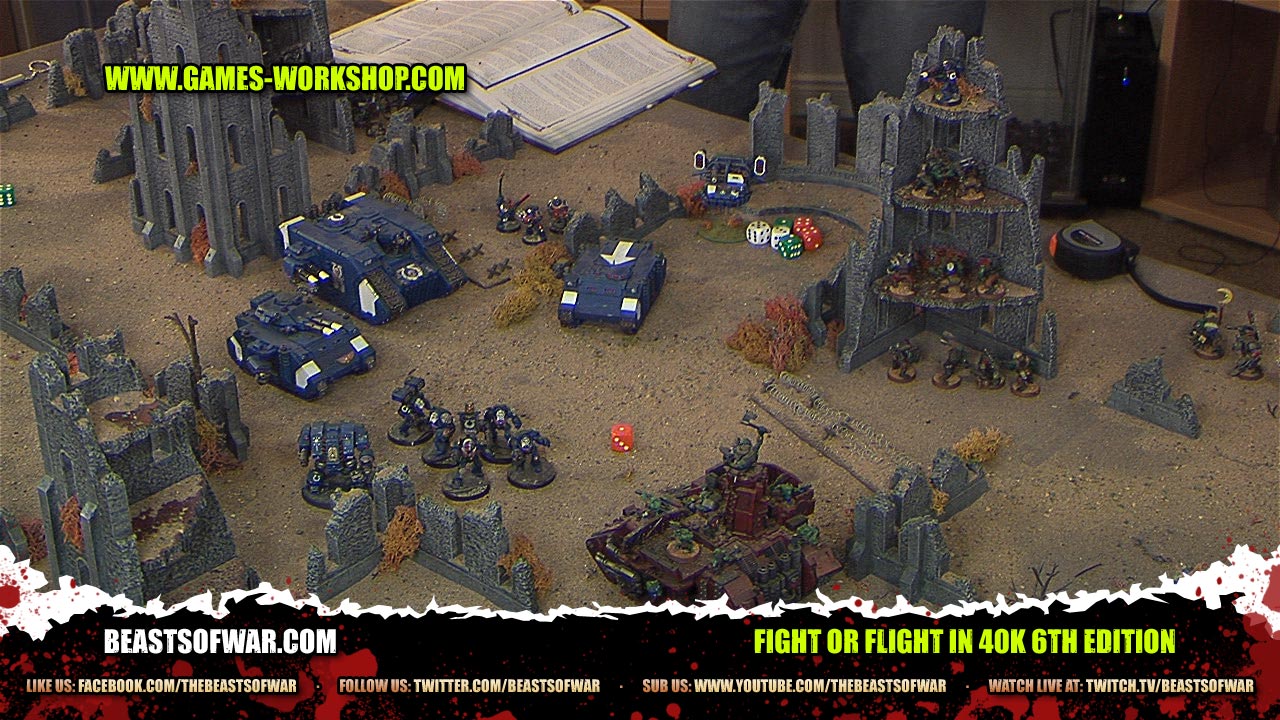

















The only unit I’d ever consider doing this with would be a Devastator squad. Even then, it would have to be a truly hopeless situation (i.e. very large assaulting force). Otherwise, I’d still be tempted to fight the combat. Strategically once my unit has jumped down (any left alive that is) will take a turn or two to even be able to do anything. If they stay and fight, they tie up the enemy unit for a turn or maybe more. I have also managed to make enough saves from an assaulting force and caused a couple of wounds such that he lost the combat and hand to flee the ruin. If I only had one or two guys left in the squad, sure, but 5 or more, I’d stand and fight. Lastly, it doesn’t fit the fluff for Space Marines.
Armour won’t make you fall faster, even in the messed up physic of 40k!
no, but it would give more momentum that may not be controlled on impact!
I thought you still get an armour save. That’s where the difference between orks, guard, or space marines comes into play. Maybe I misread it?
No armour saves (but still invul). Pg. 95, 2nd last sentence of 2nd para. under “Leaping Down”.
I would rather shoot the lascannon at a vehicle or another juicy target, instead of jumping and dying. Besides, if he did jump and survive, how far can he get? The Orks would still hack him up!
I would definately give this a go if my Eldar pathfinders get caught as they would have nothing to lose and all to gain.
They wouldn’t survive a round of CC but they do have fleet so could get clean away and deny my opponent a consolidation move and a kill point.
It would also be worth it for the fun aspect
It’d be better if they could bow the building when they jumped out. 🙂
*blow
If it stops the enemy getting a victory point I would throw my guardsmen off the top floor of a building.
I thought this only worked from battlements of buildings, as that is what they are referring to in the rule book, “A unit can always elect to leap down frorn the battlements,
although this incurs significant risk.” p.95. This cannot be done off of a ruin. Also, I would argue that this can only be done as part of a movement (as a regular movement or falling back) and as the marine would be in engaged in close combat, he cannot leave combat unless he falls back or has the hit and run special rule. So I’m sorry, but no i don’t feel you can do this.
ofc this can apply to ruins! Why would it be different when jumping from a ruined building, sure it says ‘battlements’ on p95, but really that modifier to dangerous terrain (every 3 inches) is a really good general rule. Doesn’t make sense otherwise…. or am I missing something?
ok, even if I do give you that, that doesn’t mean you can leave combat for it. The marine still has to stick it out until he falls back (which as a space marine though he can choose to fail his morale check in order to attempt to do, but other armies would not)
Pg.99 Gravity- nature’s downward express.
It seems certain units would be more agile to leap down that should get a better survival chance, like genesteelers, harlequins, kommandos, assassin etc.
I’d agree with that, you might argue that models with “move through cover” can get away with it because they ignore dangerous terrain, but as the rules classify this as an “impact test” I don’t this would be the case 🙁
1) In the scenario presented above wasn’t he on a floor above the orcs (following previous combat round) and therefore 3″ away and not in combat?
2) Even if the orcs turned around and chased him down they’d have to leave the building to do so, exposing themselves to being shot and charged more easily!
Alt tactic: Could the guy attempt to take the ruins down around all their ears – a noble sacrifice (assuming excellent AS/Inv doesn’t save him anyway)
if this were my marine he would be throwing a grenade at those orks. hope for the best kill 2 or 3 they take a morale test fail and run away. an then the orks would be taking those test result….:)
Can I get first blood from this?
I jumped down from my skyshield with terminators when I didn’t roll enough on my difficult terrain to actually walk down. It was entertaining. Fortunately I didn’t roll any 2s. I forgot that you don’t get an armor save, but the invul might make it worth me doing it again 🙂
I’d like to see clarification on falling back when in a ruin as well.
I’m reading it as when you fall back, you have to jump.
I couldn’t find it explicitly though. It does say that if you’re not falling back you can elect to jump, so it seems it’s not voluntary when fleeing.