









PanzerKaput Goes To Barons’ War



Recommendations: 11332
About the Project
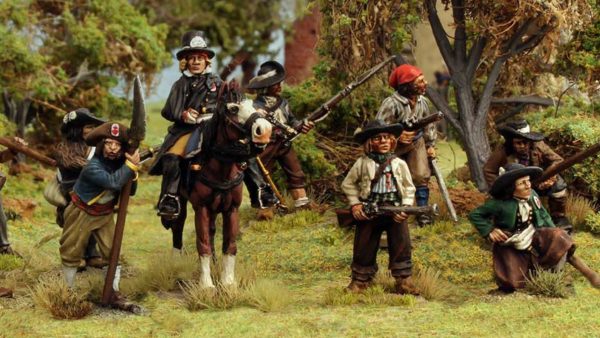
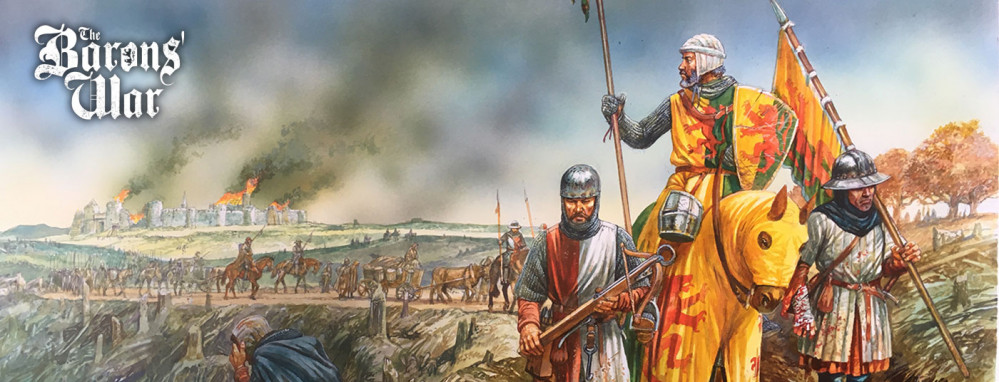
Set against a backdrop of a Civil War that lasted for two years, 1215-17, as a result of the issuing of Magna Carta. A civil war was the perfect opportunity for the leading nobles of the time to grab land and power while settling some old scores along the way. This vying for land and power hadn't stopped since the invasion of 1066 with only the strongest of kings being able to keep their nobles in check. Our narrative focuses on small groups of warriors brought together under a lord or baron to raid and steal or defend land and property. With the strong, wise, cunning and lucky aiming to rise out of this civil strife in a better position than when it started. The Barons' War skirmish game has been written to enable players to fight out tabletop battles against the backdrop of the First Barons’ War between rival Barons or rival factions who find themselves on either side of the conflict. The game is historically themed, the gameplay is fast-paced and tactical with plenty of narrative and where force building presents you with lots of options enabling two players to muster very different retinues. However, as intended, this is an alpha set of rules which does not include rules for siege warfare, although rules for fighting in buildings are included. Campaign rules are something that will be addressed at a later date and released online. Having grown out of the Barons’ War Kickstarter project, the intention is for this ruleset to develop into a system that could be used throughout the Medieval period. Starting with England from when the Western Roman Empire withdrew around 410 AD to 1485 AD when Richard III died at the Battle of Bosworth Field. This presents us with a huge span of history for gaming which can be broadly divided into Romano-British, Anglo-Saxon and Viking, Anglo-Norman, Angevin and Plantagenet. And that’s just when looking at it from Great Britain. With warriors of this period being pretty similar, it would be easy to use the profiles in this rulebook to play out tabletop battles in any setting. Over time we see these rules evolving with additional warriors, characters, abilities and scenarios being added starting with the Dark Ages, the Anarchy and the Crusades and shared to www.warhost.online, which has been set up to be the community website for the game.
Related Game: The Barons' War
Related Company: Footsore Miniatures and Games
Related Genre: Historical
This Project is Active
Jérémie Colman of Bawburgh
 Jérémie Colman of Bawburgh
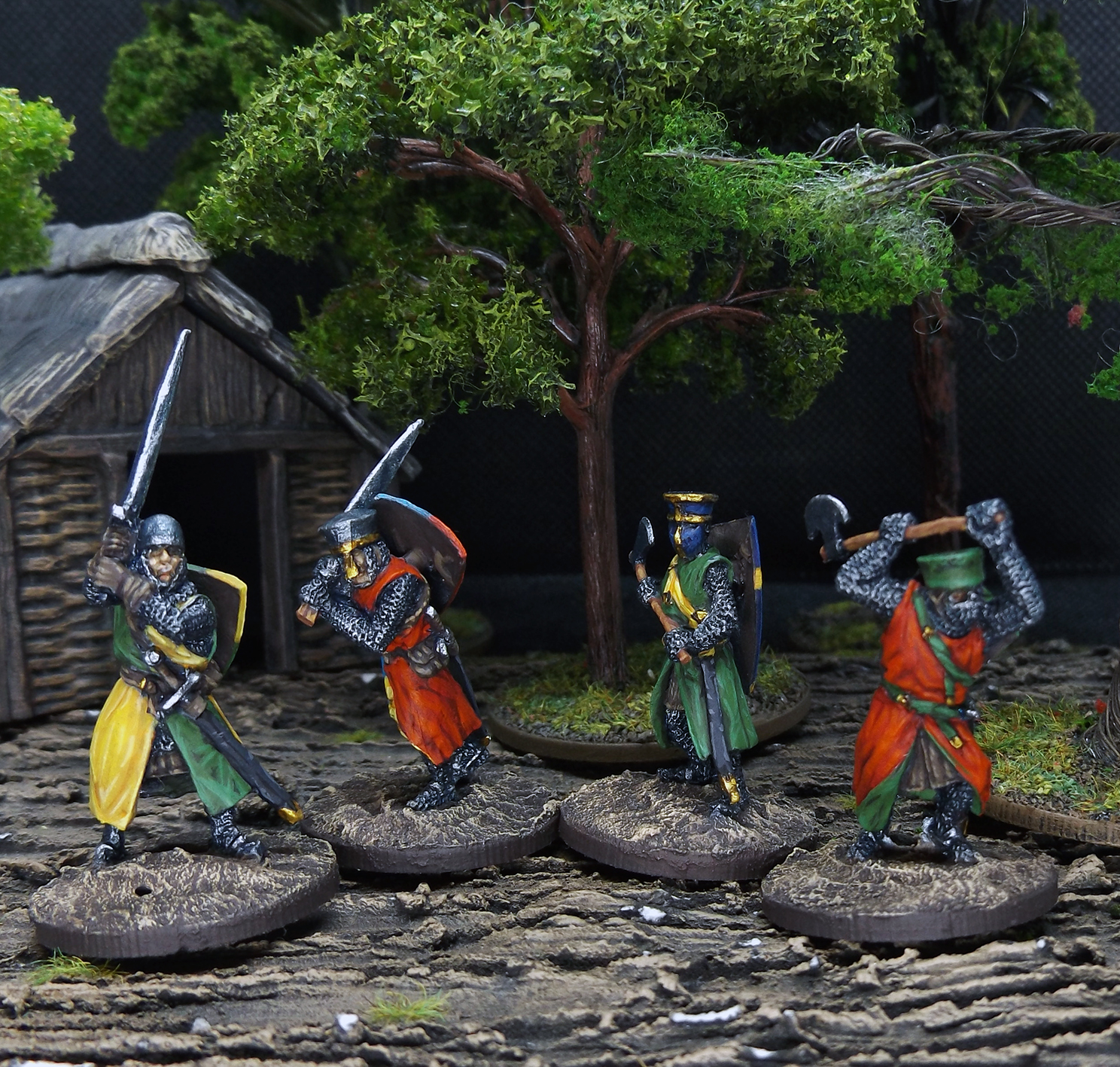
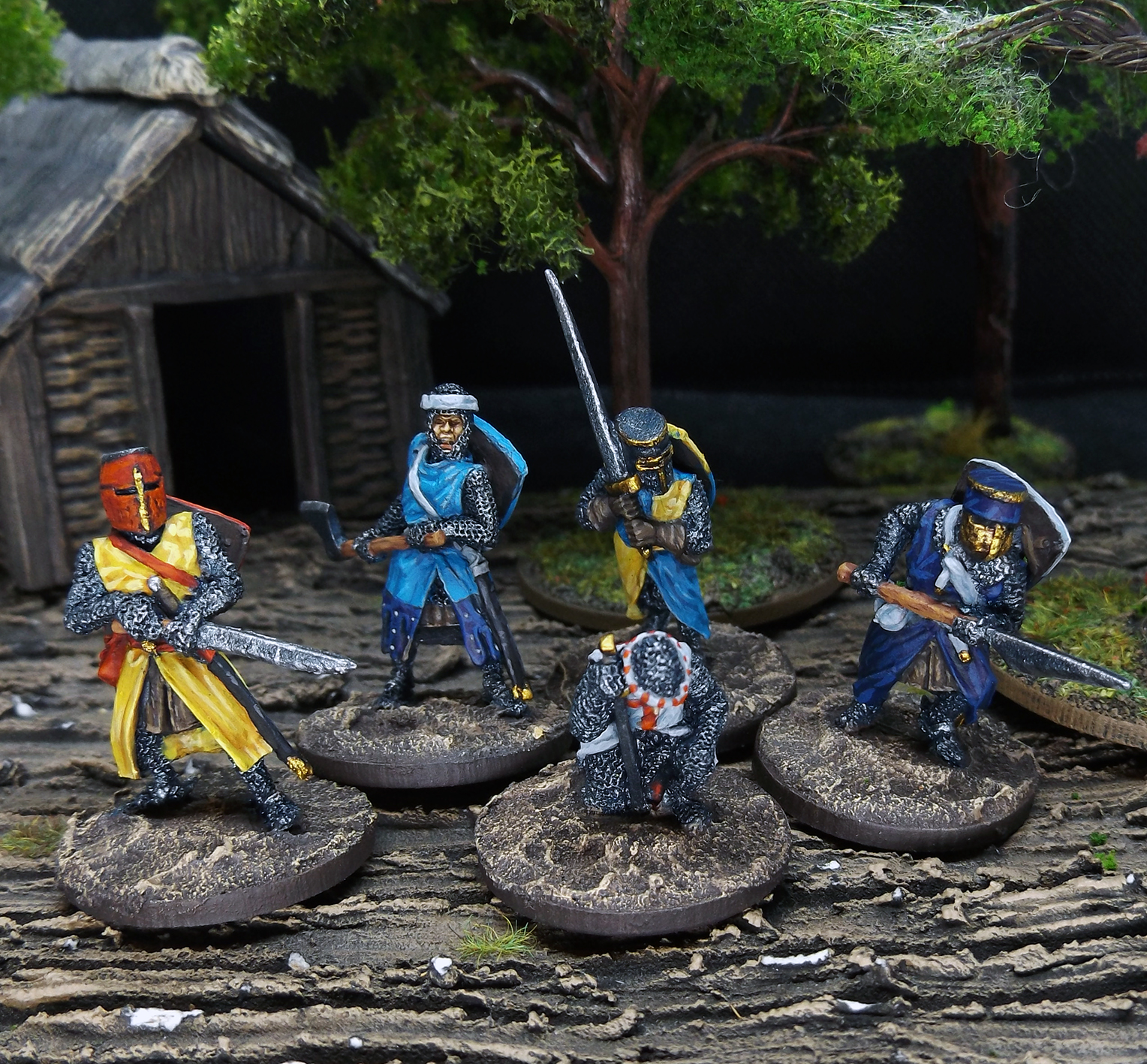
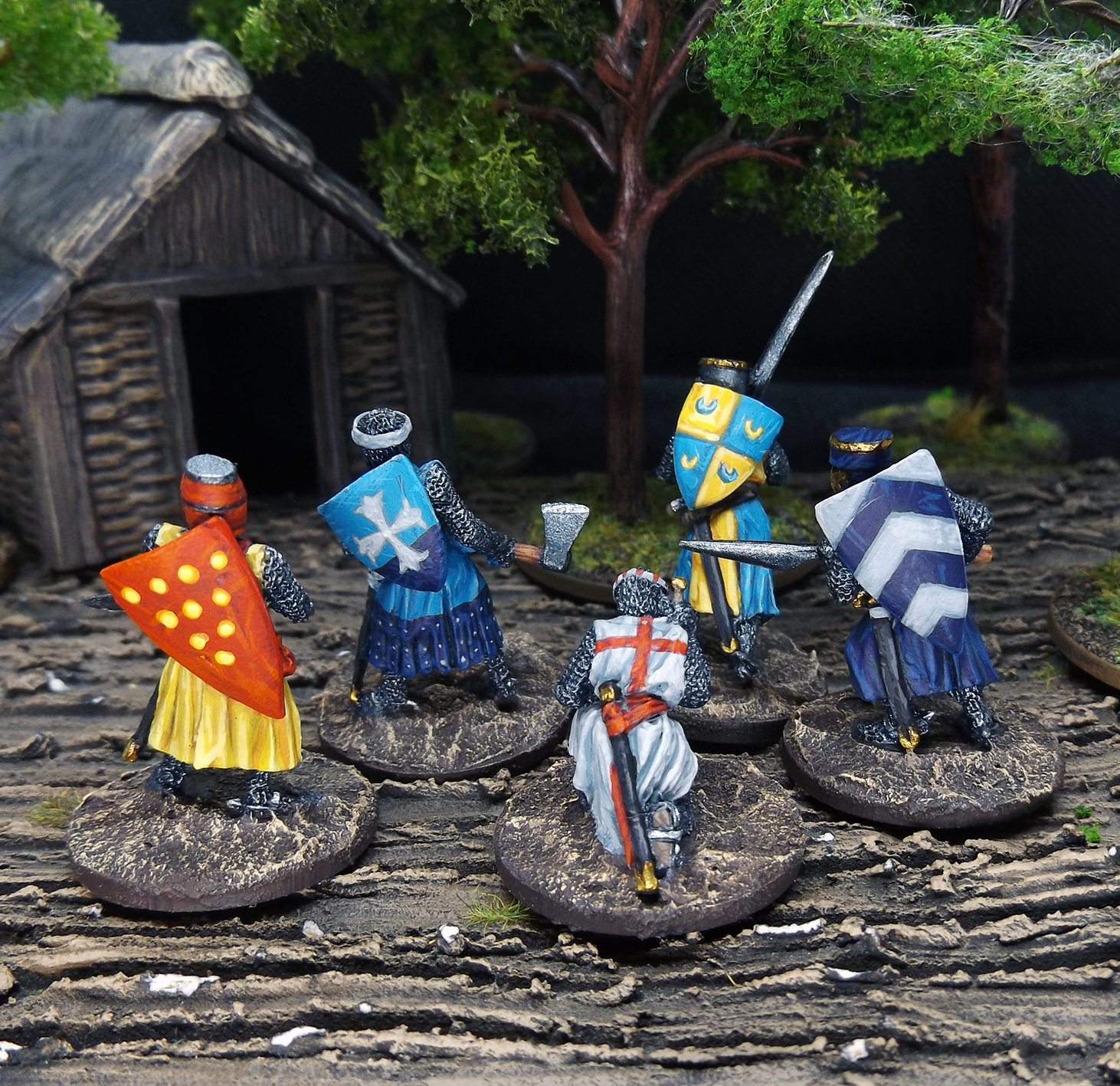
Jérémie Colman of Bawburgh is one of the Lords in this group, he is the one in Green and Yellow quartered tunic. He is actually based of the colours of a football team, in this case it is Norwich City, and actually the name of the knight, Jérémie Colman of Bawburgh, is a local Norwich hero, Colman’s Mustard. I thought it would be a wee bit of fun to add in him and also shows that you can take anything to make them sound like a knight.
Roger la Zouche
 Roger la Zouche
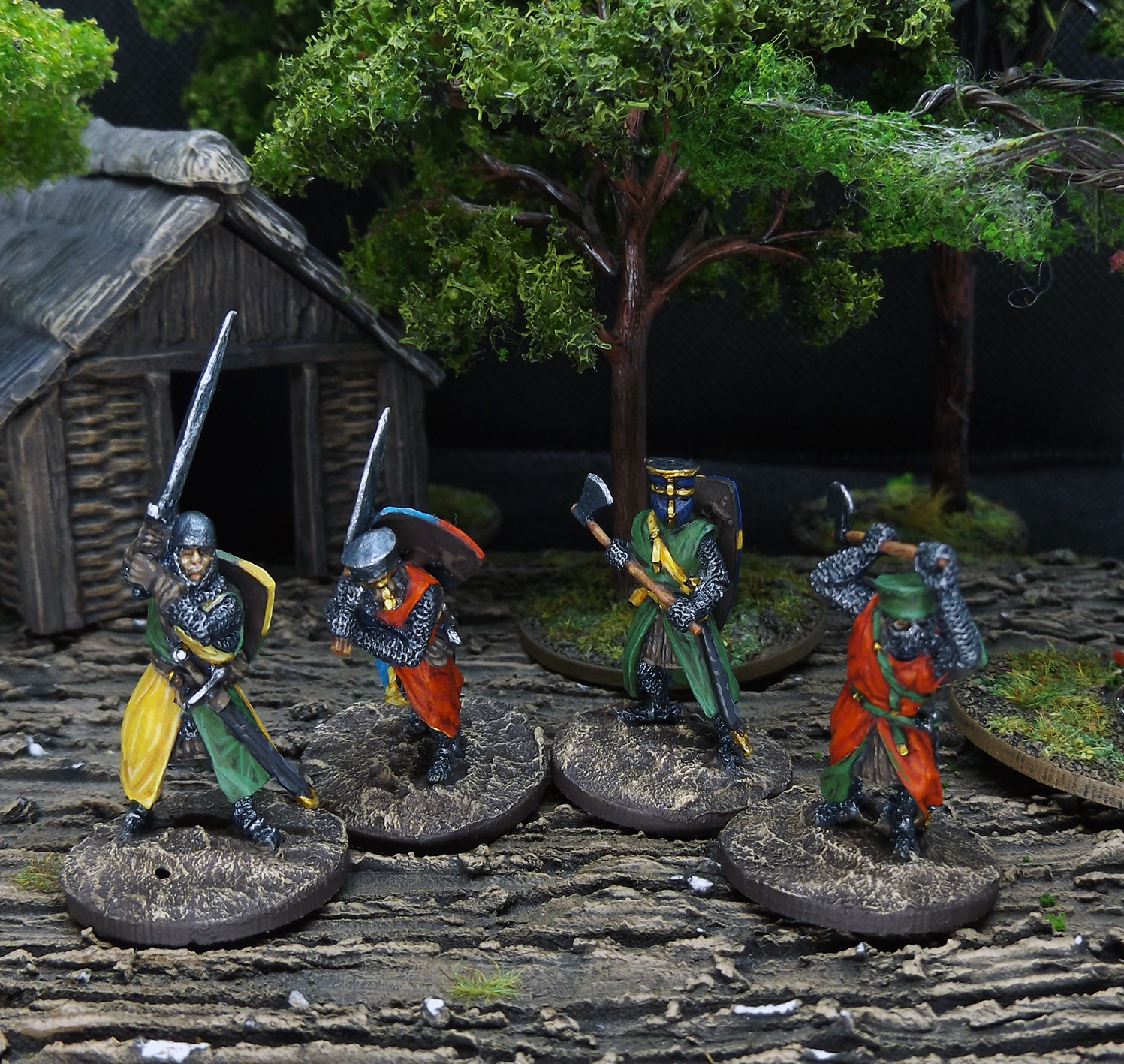
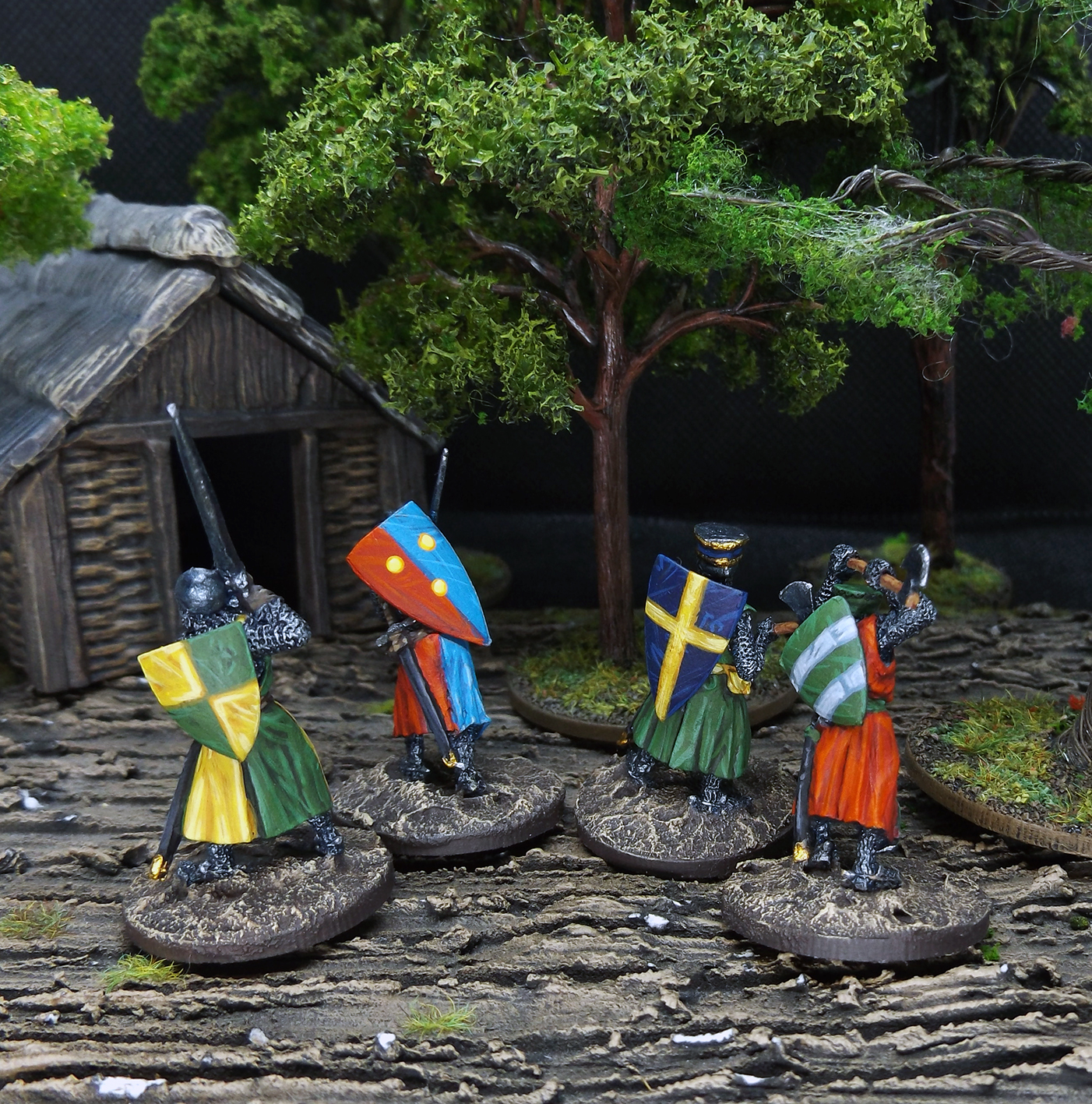
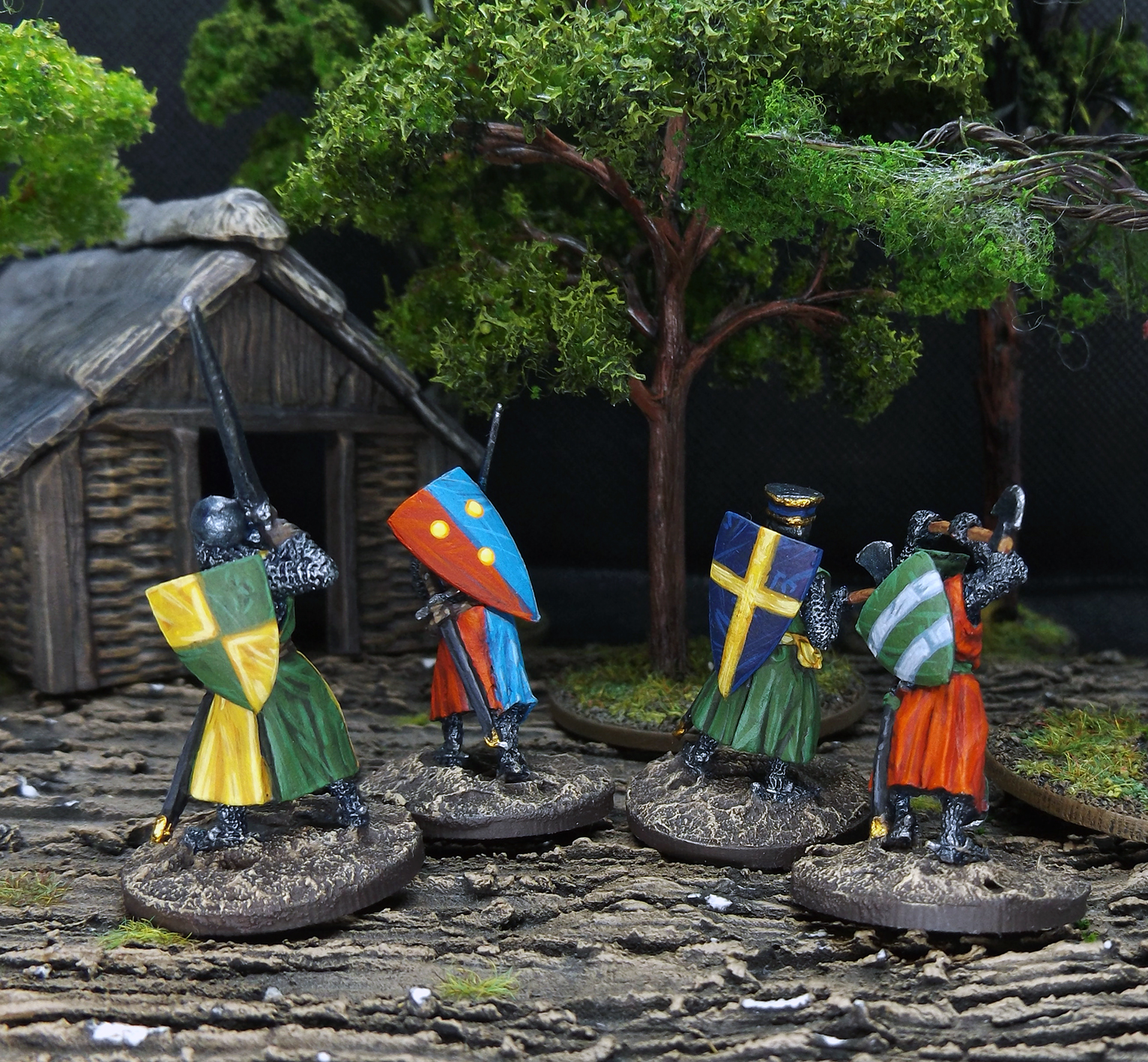
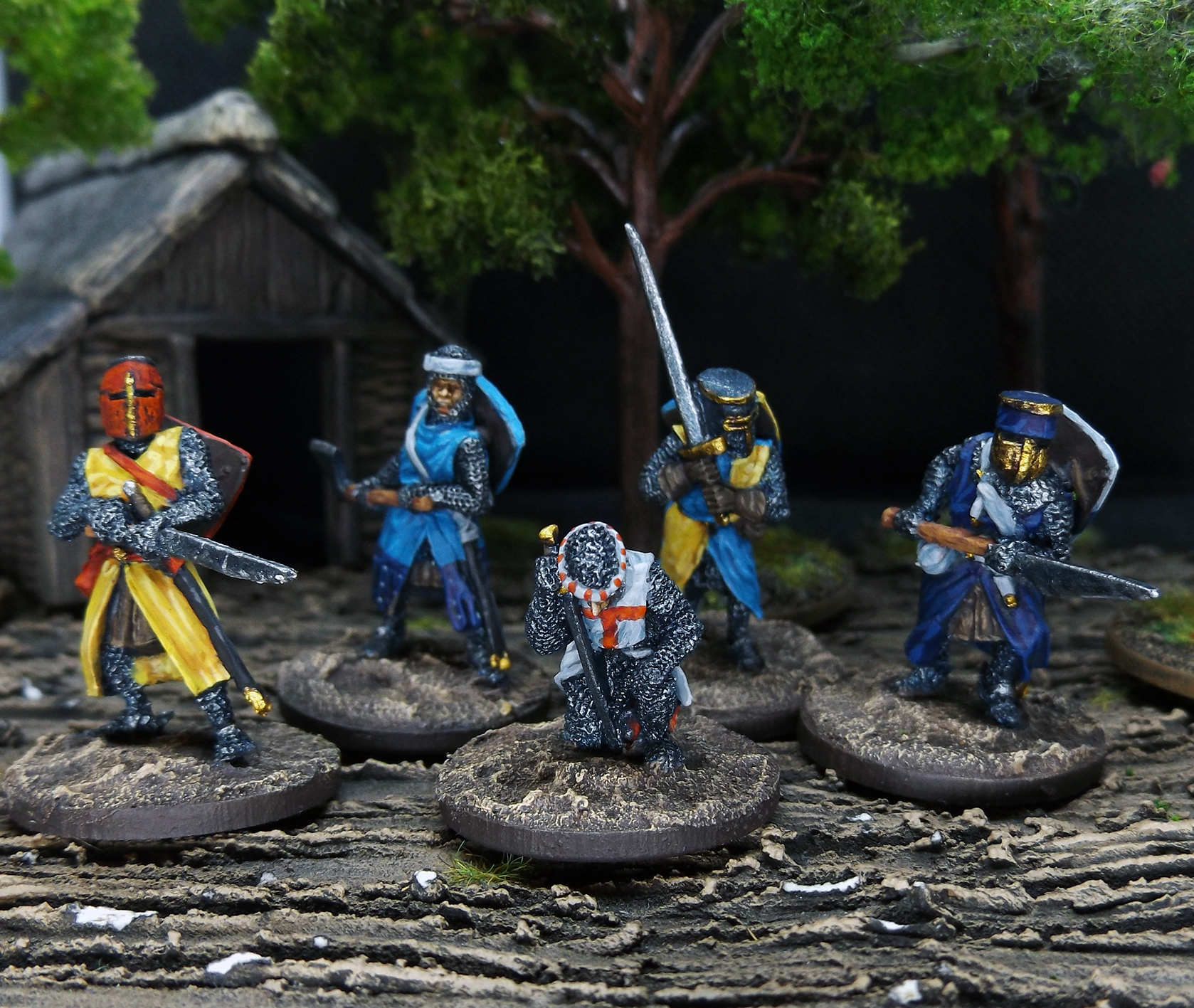
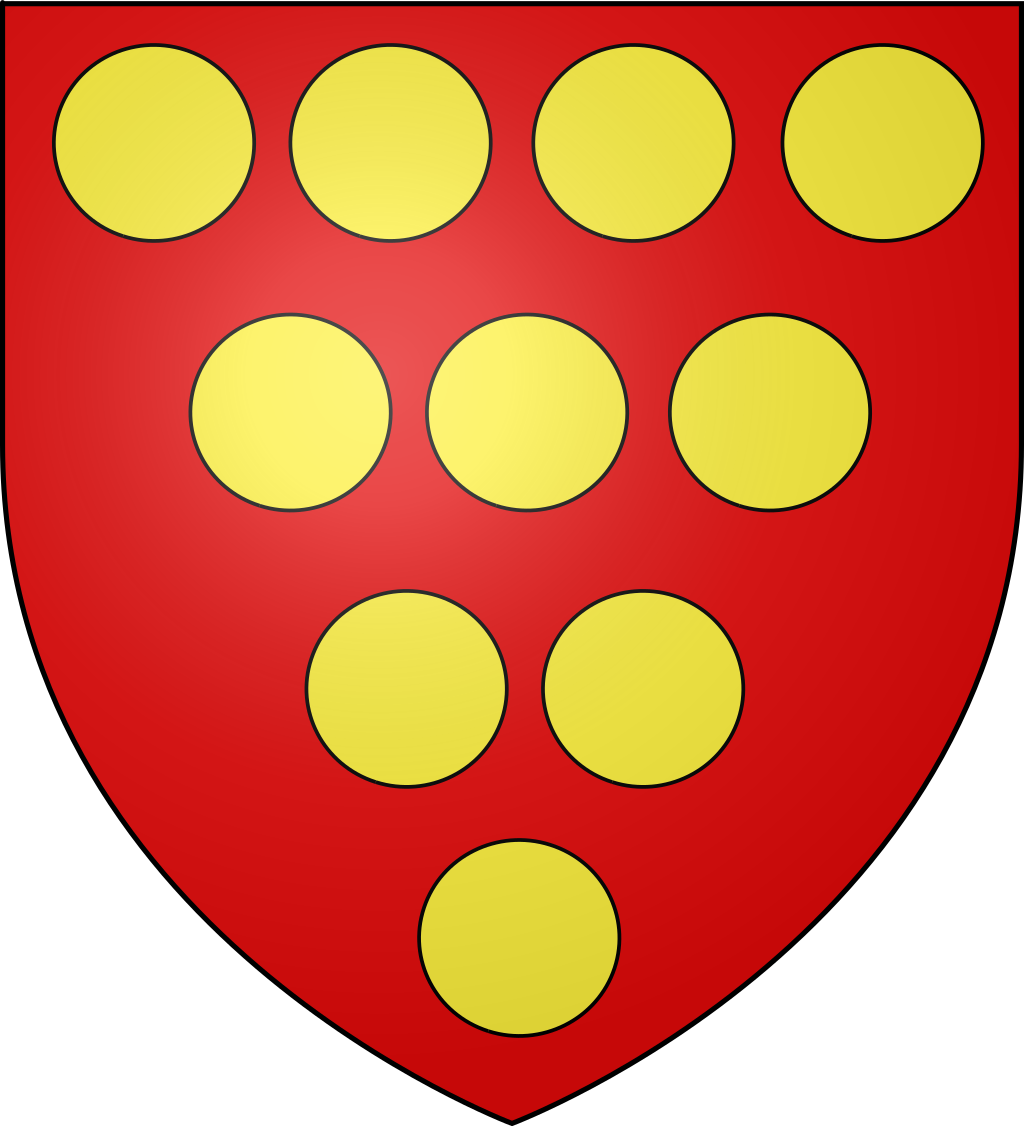
I have based these well one of the on Roger la Zouche, a local Lord, he is the one in yellow tunic with a red helmet.
Roger la Zouche is
A Witness to Henry III’s Confirmation of The Magna Carta.
Second Lord Zouche.
Heir To Brother William 1199.
Sheriff of Devonshire 1228-31.
Second Lord Zouche. Sheriff of Devonshire 1228-31.. A witness to Henry III’s confirmation of the Magna Carta. Heir to brother William 1199.
 Roger la Zouche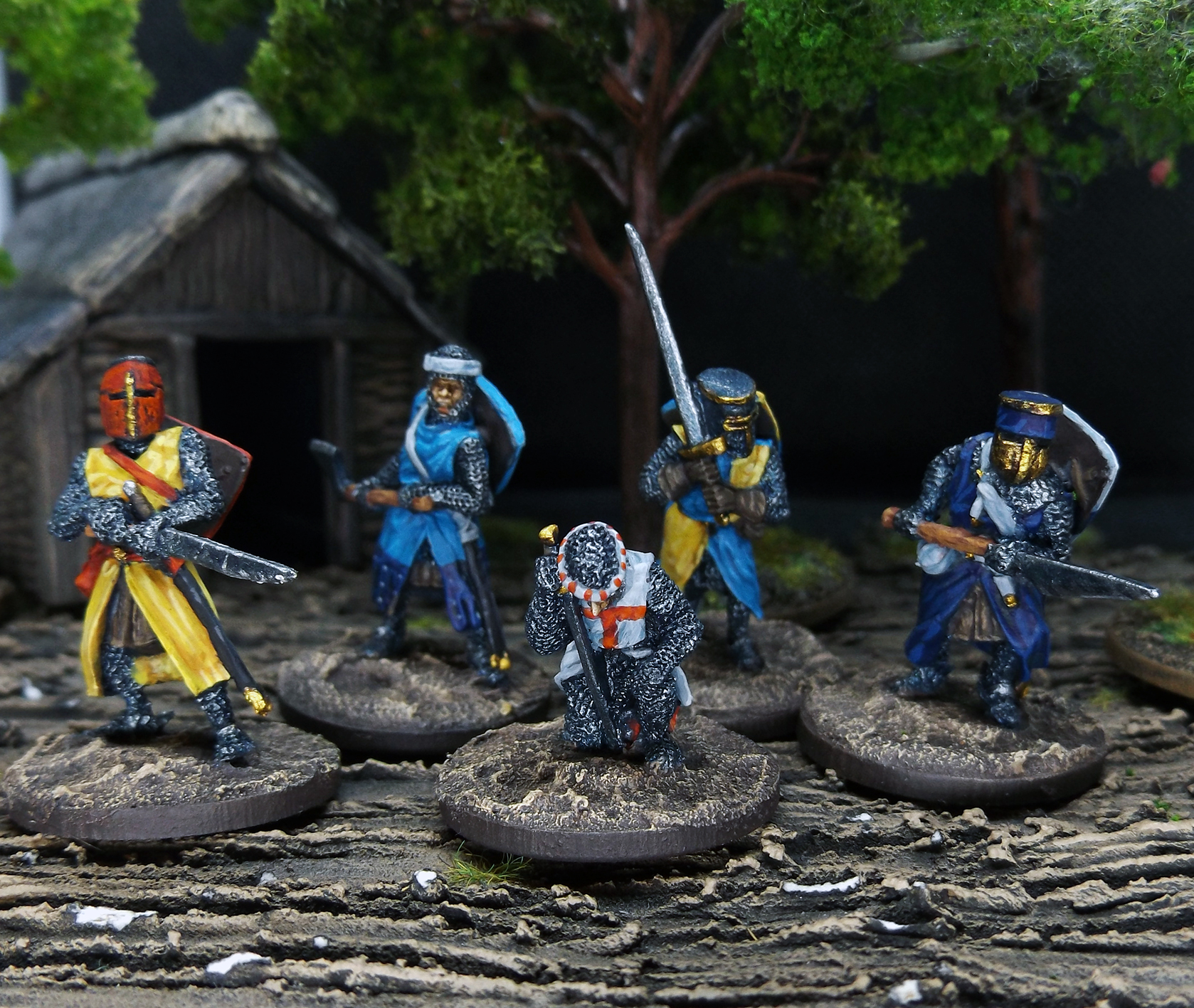
A Fight in Leicestershire
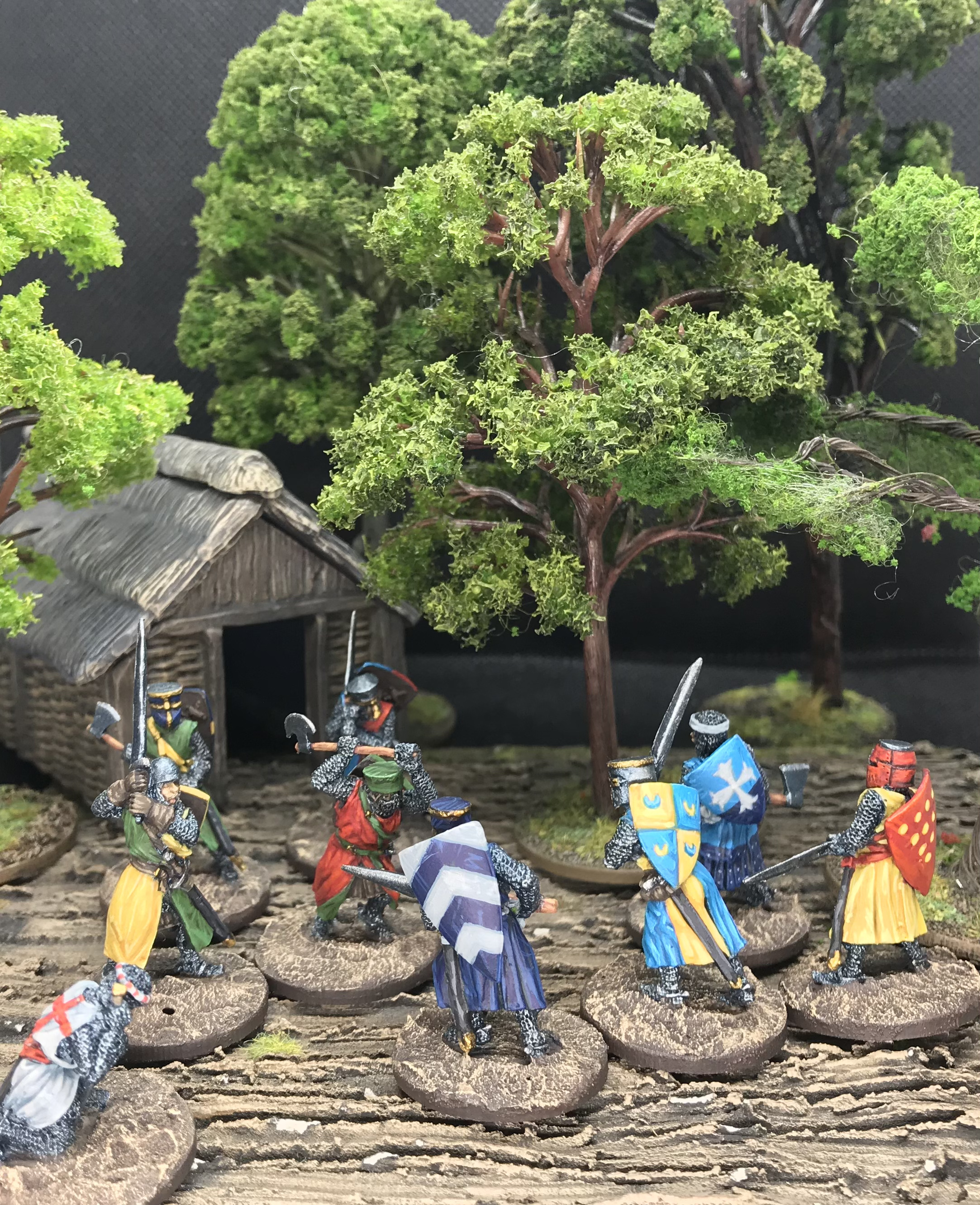
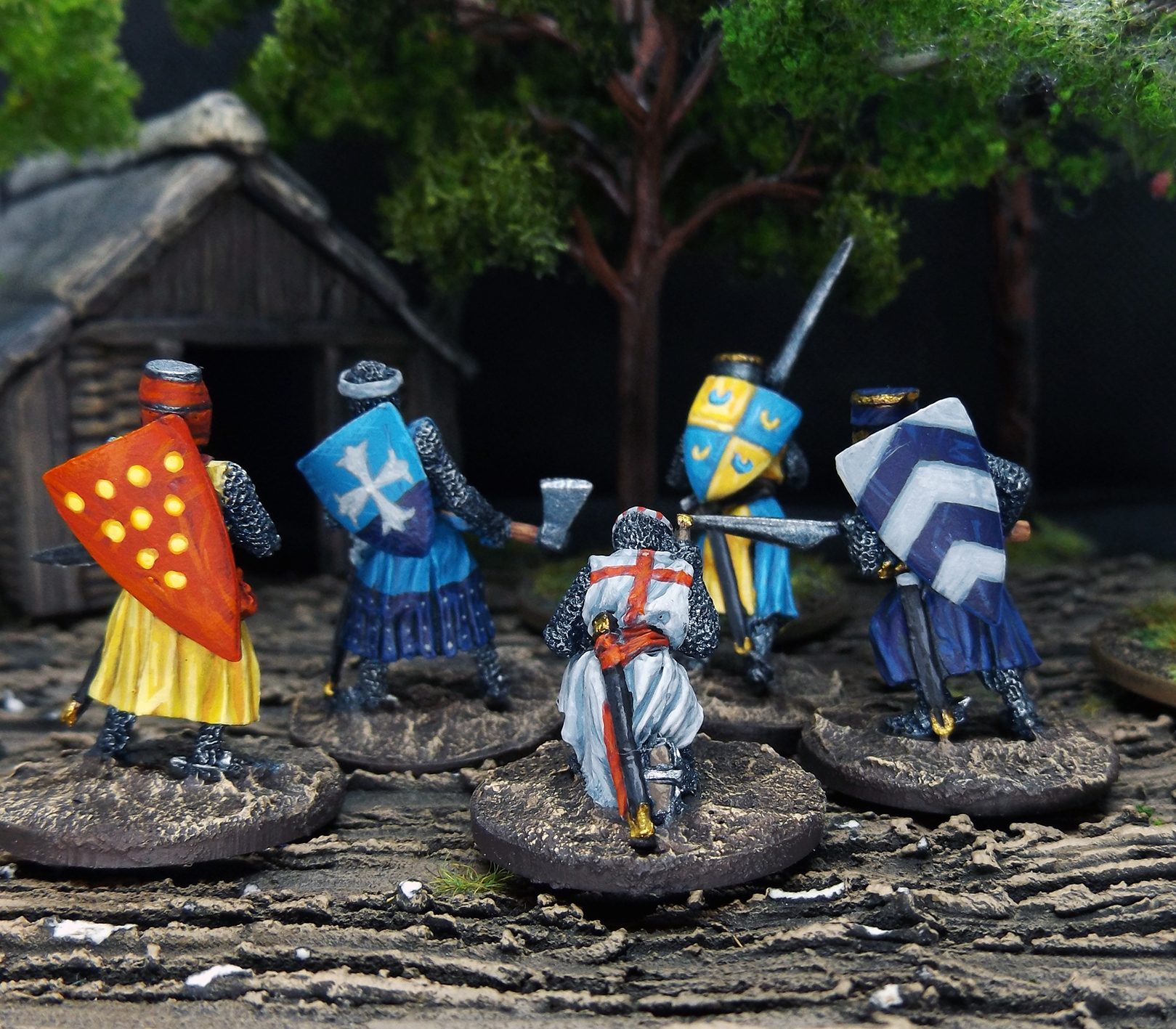
Jérémie Colman of Bawburgh clashes with Roger la Zouche in The Barons’ War: by Warhost and Footsore. 
Some More Scenery, A Blacksmith's Forge
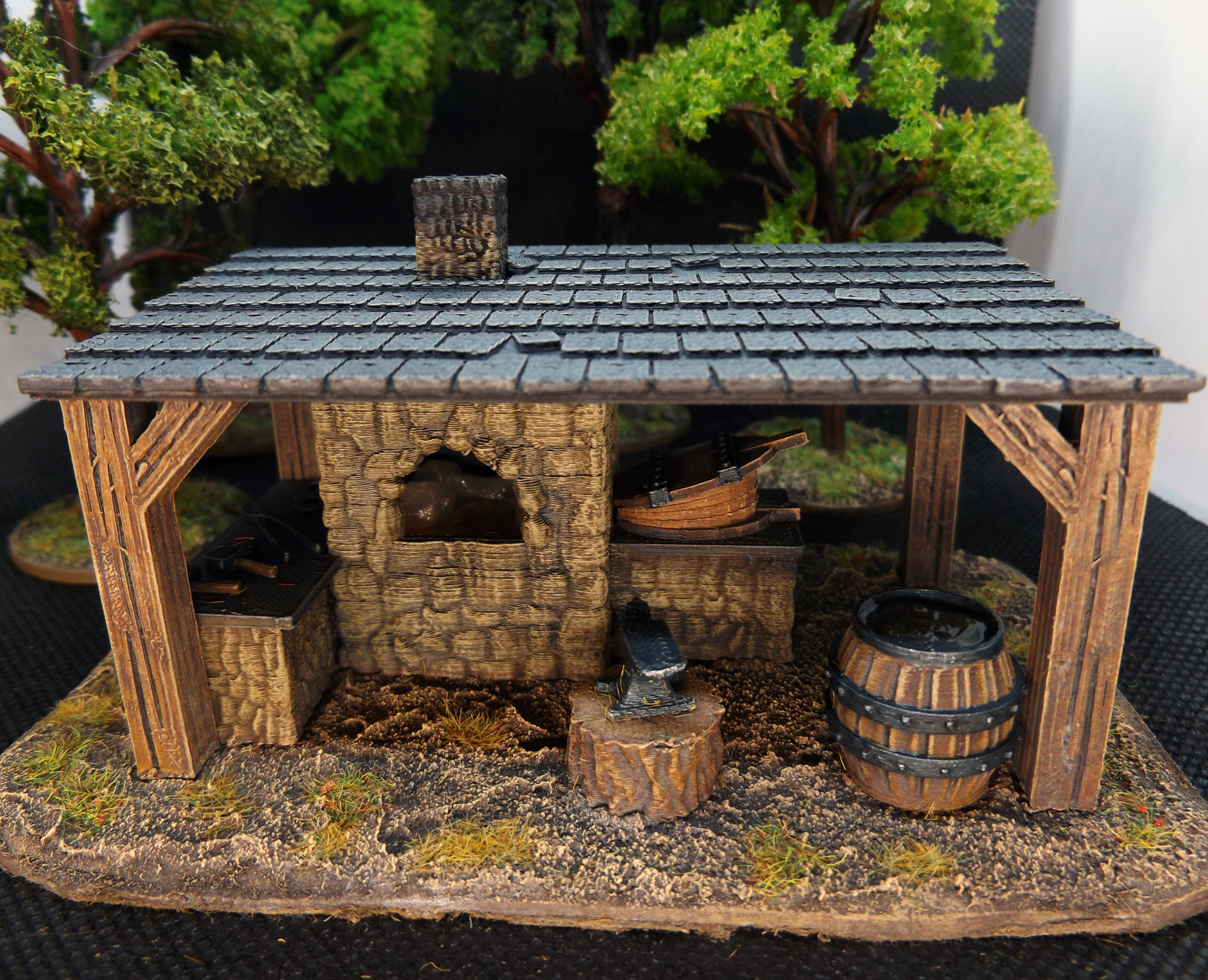
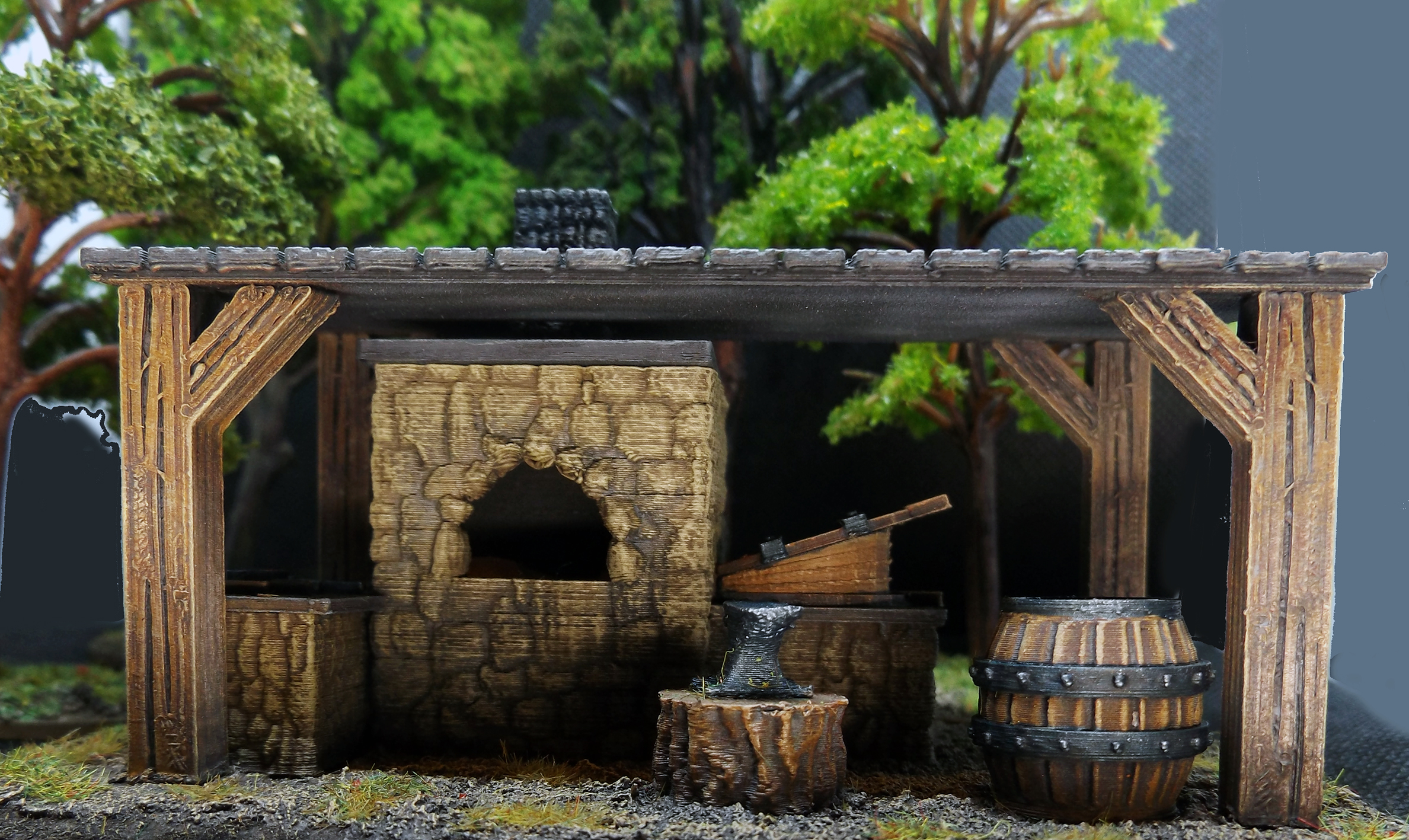 The Forge
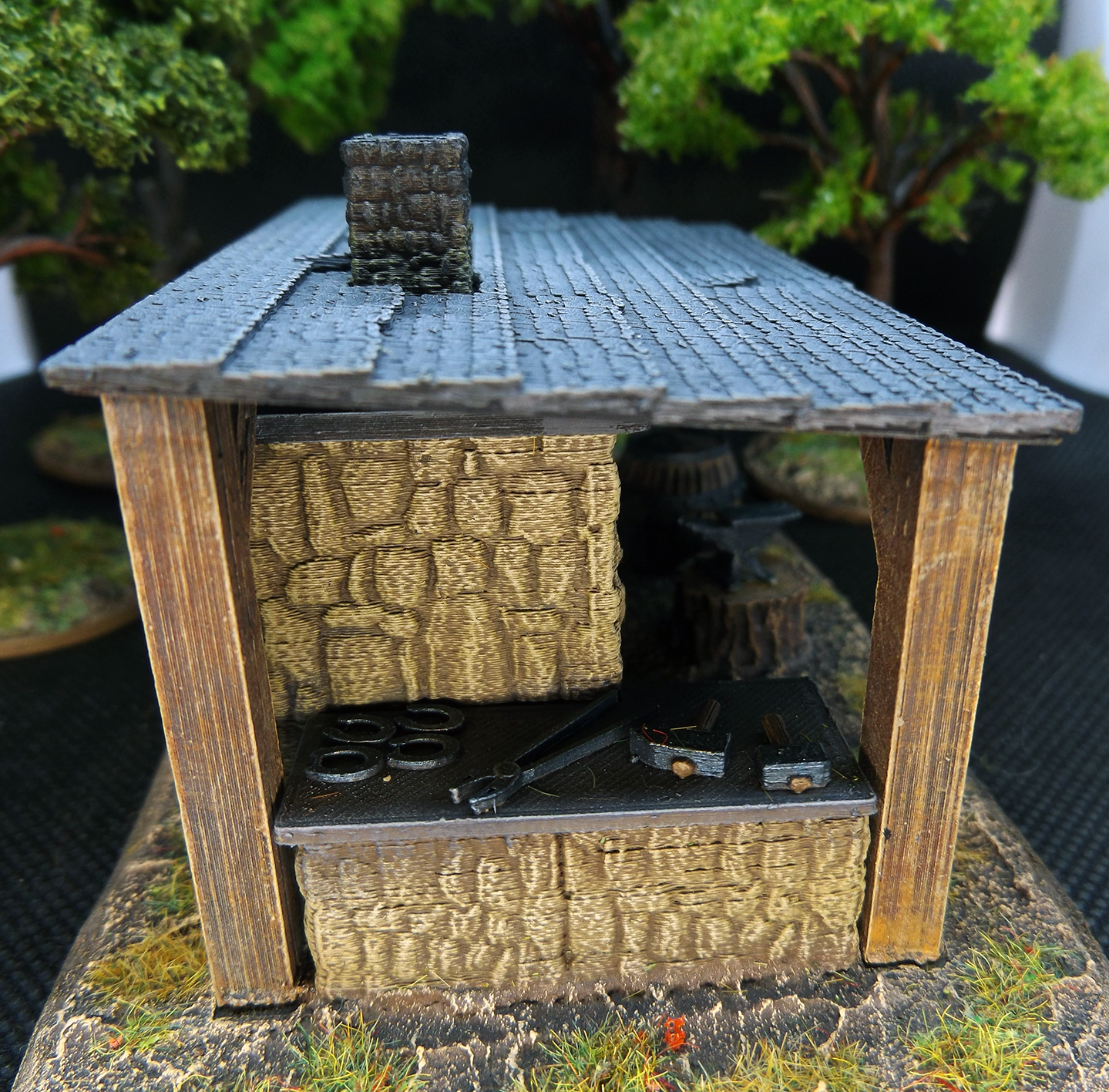
I have added a terrain piece or maybe even an objective for the Barons’ War game and I think it fits in nicely. The forge comes from Iron Gate Scenery and has an LED that fires up the forge, it comes with the kit, I am not Blinky, not got the skills. It is a lovely kit and I had fun painting this and I think it fits the period as well as a number of other games too.
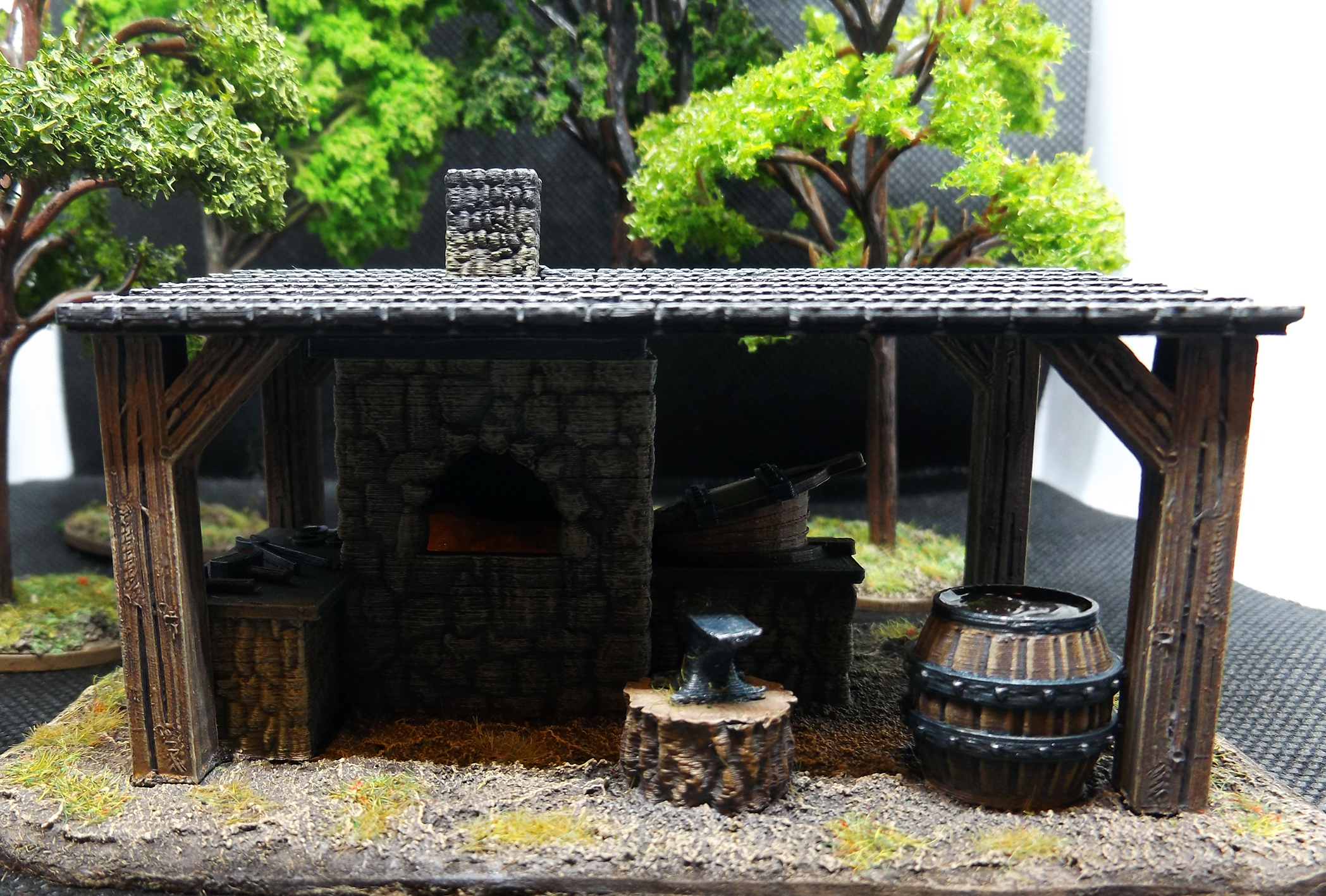 Fire Alight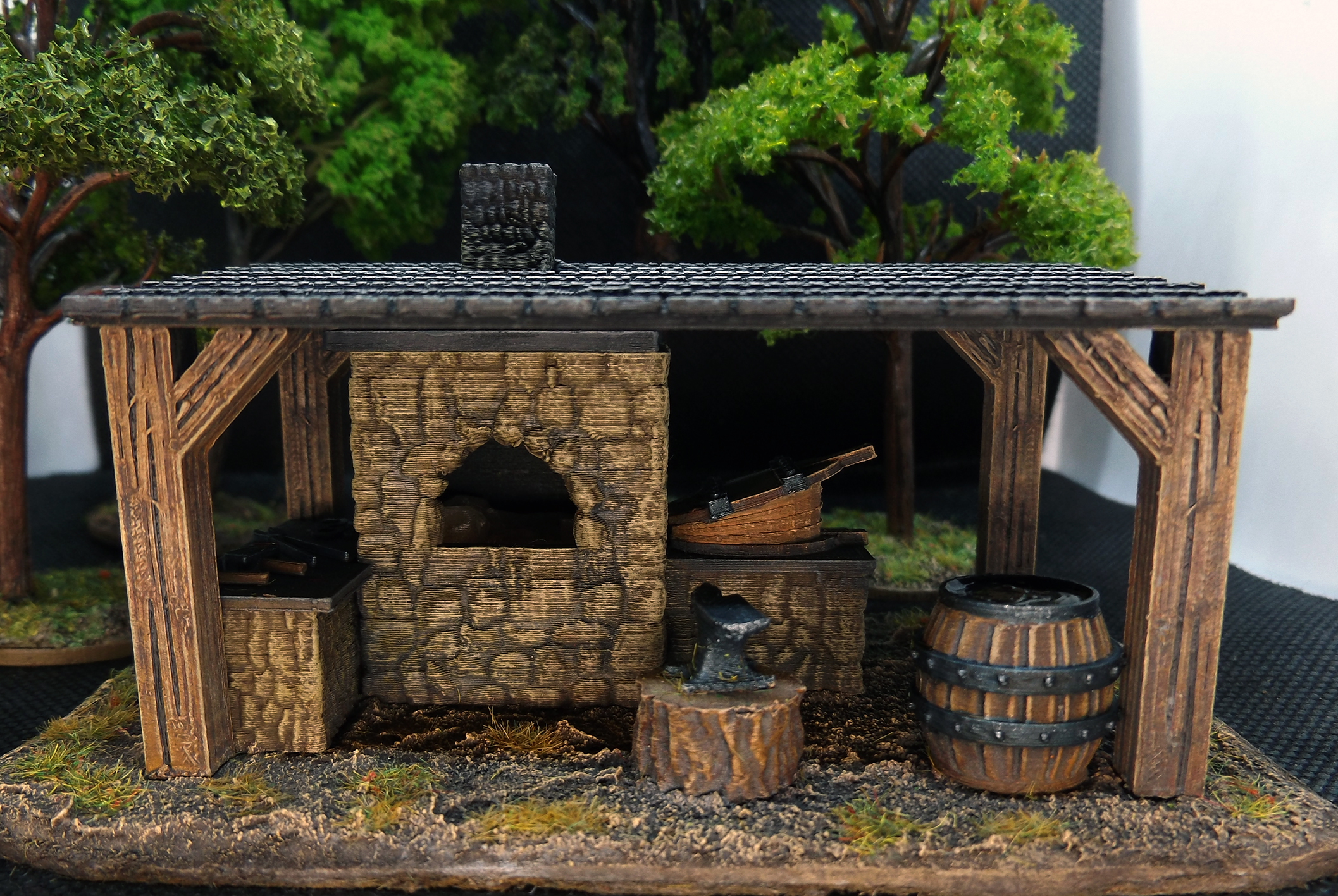

Eustace de Vesci
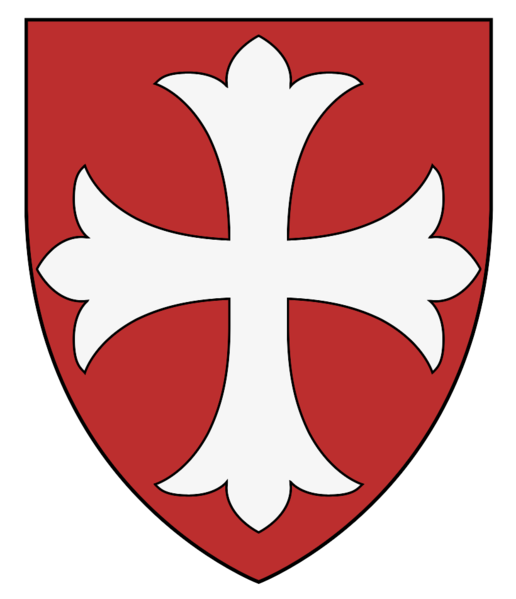 Eustace de Vesci
Eustace de Vesci (1169/70-1216) was one of the group referred to by contemporaries as ‘the Northerners’, the original hard-line leaders of the baronial resistance to King John. The son of William de Vesci and Burga, daughter of Robert de Stuteville, lord of Cottingham (Yorks.), he was lord of Alnwick in Northumberland and an extensive landowner in northern England. He was married to Margaret, illegitimate daughter of William the Lion, king of Scotland and half-sister of Alexander II of Scotland. At Richard the Lionheart’s second coronation in 1194, following his release from captivity in Germany, he witnessed a royal charter in favour of his father-in-law.
At the end of 1194 Eustace is found engaged in Richard’s service at Chinon, the great Angevin castle in Anjou, and five years later was one of the guarantors of the treaty between King John, newly succeeded to the throne, and Count Renaud of Boulogne. In 1210 he accompanied John on his expedition to attempt the pacification of Ireland. Accused in 1212, alongside another important northern lord Robert FitzWalter, of plotting against John’s life, he fled to Scotland, and his lands were seized. After John’s submission to the pope in 1213, however, he was allowed back, and a few months later he was awarded restitution of his lands, although his castles at Alnwick and Malton were destroyed.
Later in 1213 in a gesture indicative of his continued defiance of the king, he refused to enlist in John’s expedition to Poitou, in south-west France, and in the following year he also refused to pay scutage (money in lieu of military service). His intense dislike of John was evidently well known to the pope who, in 1214, warned him to remain loyal to the king, since his submission to the pope regarded as a faithful son of the Church. In 1215 he was deeply involved in the military operations that led up to the making of Magna Carta, associating himself closely with a Yorkshire rebel, his kinsman Robert de Ros of Helmsley. In September he was one of a group of nine malcontent barons singled out for excommunication by the pope.
Although by the following May he was seeking a reconciliation with the king, as soon as Louis, the French king’s son, took on the leadership of the baronial cause he went over to him. He met his death in late August 1216 at Barnard Castle in County Durham, where he was shot in the head by an arrow while conducting siege operations. He left a young son William, who came of age in 1226.
Robert de Vere
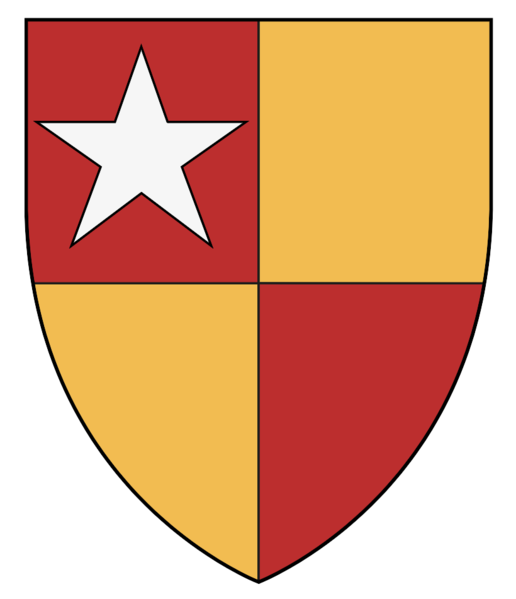 Robert de Vere
Robert de Vere (d. 1221) was a member of a comital family, based at Hedingham (Essex), which owed its rise to rise to eminence to the patronage of the Empress Matilda in the civil war of King Stephen’s reign in the 1140s. Robert himself was the third surviving son of Earl Aubrey (d. 1194) by his third wife, Agnes of Essex, and succeeded to the title on the death of his elder brother, another Aubrey in October 1214. Sometime before Michaelmas 1207 Robert had married Isabel de Bolebec, the aunt and namesake of Earl Aubrey’s wife, who had died childless in 1206 or 1207. Isabel the niece had been the heiress to the Bolebec estate, which was centred on Whitchurch (Bucks.), and her own heirs were her two aunts. Robert’s marriage can therefore be seen as part of a de Vere strategy to retain control over at least half of the Bolebec lands. The de Veres were one of the least well-endowed of the comital families and would have been loath to allow a valuable estate to slip from their grasp.
Robert’s defection to the rebel side in 1215 provides yet another example of King John’s capacity to alienate men who should have been numbered among his natural allies. His predecessor in the title had been one of the king’s most loyal intimates and administrators. Robert was probably moved to defect in part by his resentment at the relief of 1000 marks charged for his entry into his inheritance, which was high for an estate of only moderate extent. Most of all, however, he probably nursed a grievance against the king for his failure to confirm him in the title of earl and in the office of court chamberlain, which de Veres held by hereditary right. Robert is known to have been present at the baronial muster at Stamford in April 1215 and he was named by the chronicler Roger Wendover as one of the principal promoters of discontent. He was a key figure in the East Anglian group of rebels. By 23 June, after the meeting at Runnymede, the king was evidently angling to regain his support because on that date a royal letter was issued which implicitly recognised him as earl of Oxford. By that time, however, it was too late: Robert had already been named to the Twenty Five. Towards the end of March 1216 John took possession of his castle at Hedingham after a three-day siege and the earl, who was not present, was granted a safe-conduct to seek the king’s forgiveness. Within months, however, he had defected to Louis of France and he was not to re-enter royal allegiance for good until the general settlement of the rebellion in the autumn of 1217.
Robert died shortly before 25 October 1221 and was buried in Hatfield Broad Oak priory (Essex). A century after his death, to mark the long-delayed completion of the priory church, a fine tomb effigy to his memory was commissioned, carved by the same sculptors who produced the monument to Aymer de Valence, earl of Pembroke, in Westminster Abbey. At the Dissolution, the effigy was transferred to Hatfield Broad Oak parish church, where it remains. Robert’s widow obtained the guardianship of their son, Hugh, who was a minor, and of his estates, which she was to exercise for about ten years. She died on 3 February 1245 and was buried in the Dominican friary at Oxford, nearer to her own family’s estates.
Geoffrey de Say
 Geoffrey de Say
Geoffrey de Say sat in the baronial camp in an uneasy alliance with Geoffrey de Mandeville, his cousin but also his rival for the inheritance of the de Mandeville earls of Essex. The competition between the two men and their families affords a reminder that there were divisions within the baronial camp as well as between the rebel barons and the king. No more than such other medieval opposition movements as the Ordainers in Edward II’s reign or the Appellants in Richard II’s were the Twenty Five of John’s reign a solid monolithic bloc unhindered by faction or rivalry.
The two Geoffreys both had a claim on the estates of another namesake, William de Mandeville, third earl of Essex, the last of his line, who had died without issue in 1189. De Say’s claim arose from his grandmother, the long-lived Beatrice de Say, the first Mandeville earl’s sister, who transmitted her rights to her son, while Geoffrey de Mandeville’s claim was inherited from his mother, another Beatrice, the wife of Geoffrey FitzPeter and daughter and eventual coheiress of William de Say II, William I’s son. Geoffrey de Say I, our Geoffrey’s father, obtained a grant of the disputed lands from Richard the Lionheart in 1189, but was unable to raise the huge sum of 7,000 marks (about £2333), which the king demanded as his price. The estates, accordingly, reverted to the king and were awarded instead to Geoffrey FitzPeter, a powerful man and later King Richard’s justiciar. FitzPeter and his wife were confirmed in their possession of the estates by a royal charter granted at Messina on 23 January 1191. The early stages of the dispute are told in a fascinating account in the Walden Abbey chronicle, The Foundation Book of Walden Monastery.
The younger Geoffrey had started his career under Richard and John fighting in the defence of Normandy and had evidently lost property there when the duchy was finally overrun by the French. As early as 1202 the duchy’s seneschal was instructed to find as much as one hundred liberates of land with which to compensate him for the losses which he had suffered.
In 1214, after his father’s death, he reactivated the family claim to the Mandeville inheritance, this time against FitzPeter’s son – Earl Geoffrey – taking advantage of his service with the king in Poitou to offer him no less than 15,000 (£10,000) marks for possession. John wrote to the justiciar in England ordering him to take advice on what might be the best course to take. No further action is recorded, and presumably the justiciar did nothing. It is no surprise, therefore, in 1215 to find Geoffrey on the rebel side, aggrieved at his failure to secure justice. In June he was named to the Twenty Five and in November he was involved alongside FitzWalter and de Clare in the fruitless negotiations with the king for a settlement. Siding with Louis and the French, he only made his peace with the royalists after the massive baronial defeat at Lincoln in May. He was not active in the politics of the Minority. In 1219 he went on a pilgrimage to the Holy Land and in 1223 to Santiago de Compostella, apparently in the company of Earl Warenne. He died on 24 August 1230 while campaigning with Henry III in Poitou.
Geoffrey married Alice de Chesney, whose date of death is unknown, and he left a son William, who succeeded him and lived to 1271.
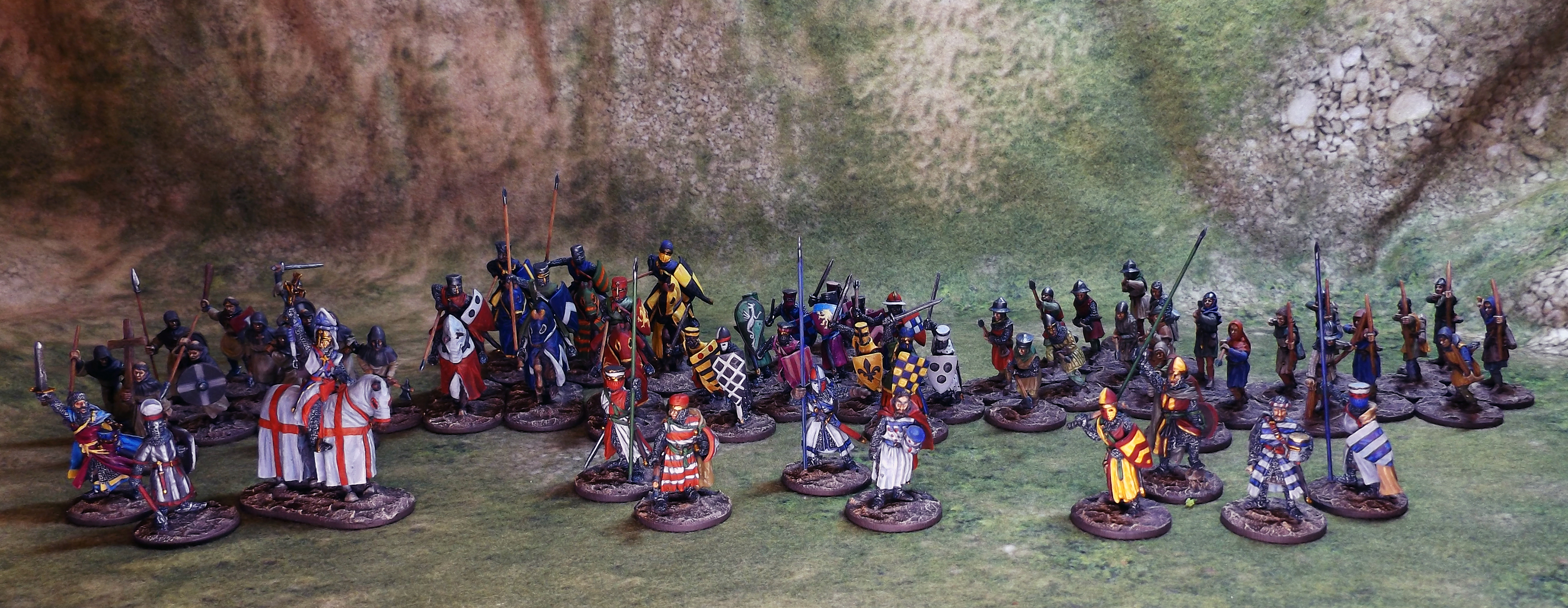
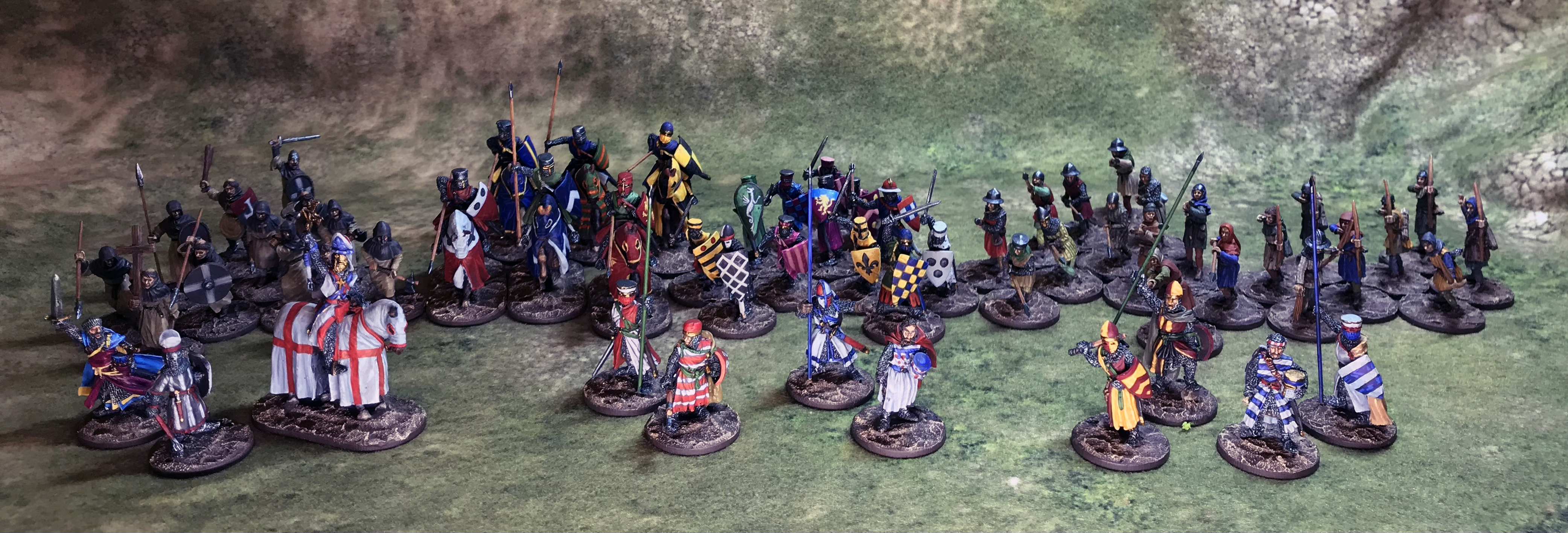
The Completed Force, So Far
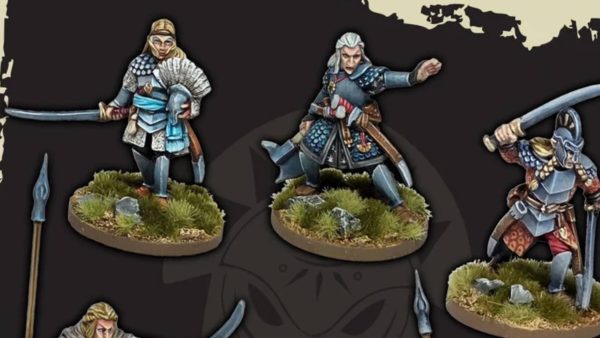
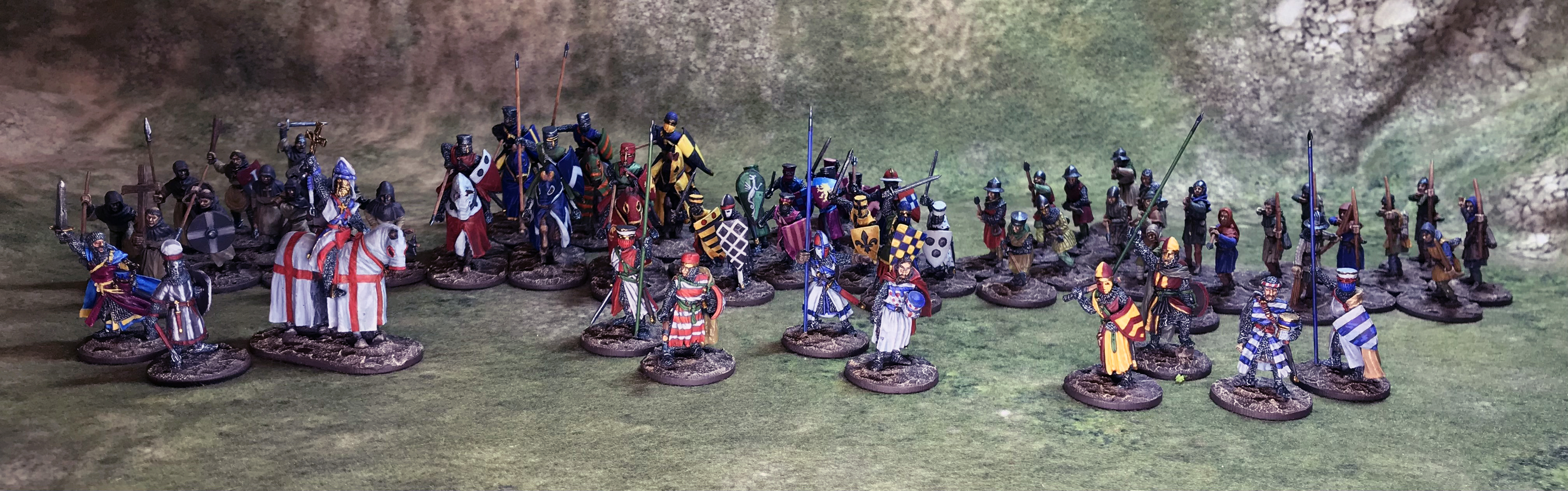 All My painted Barons war
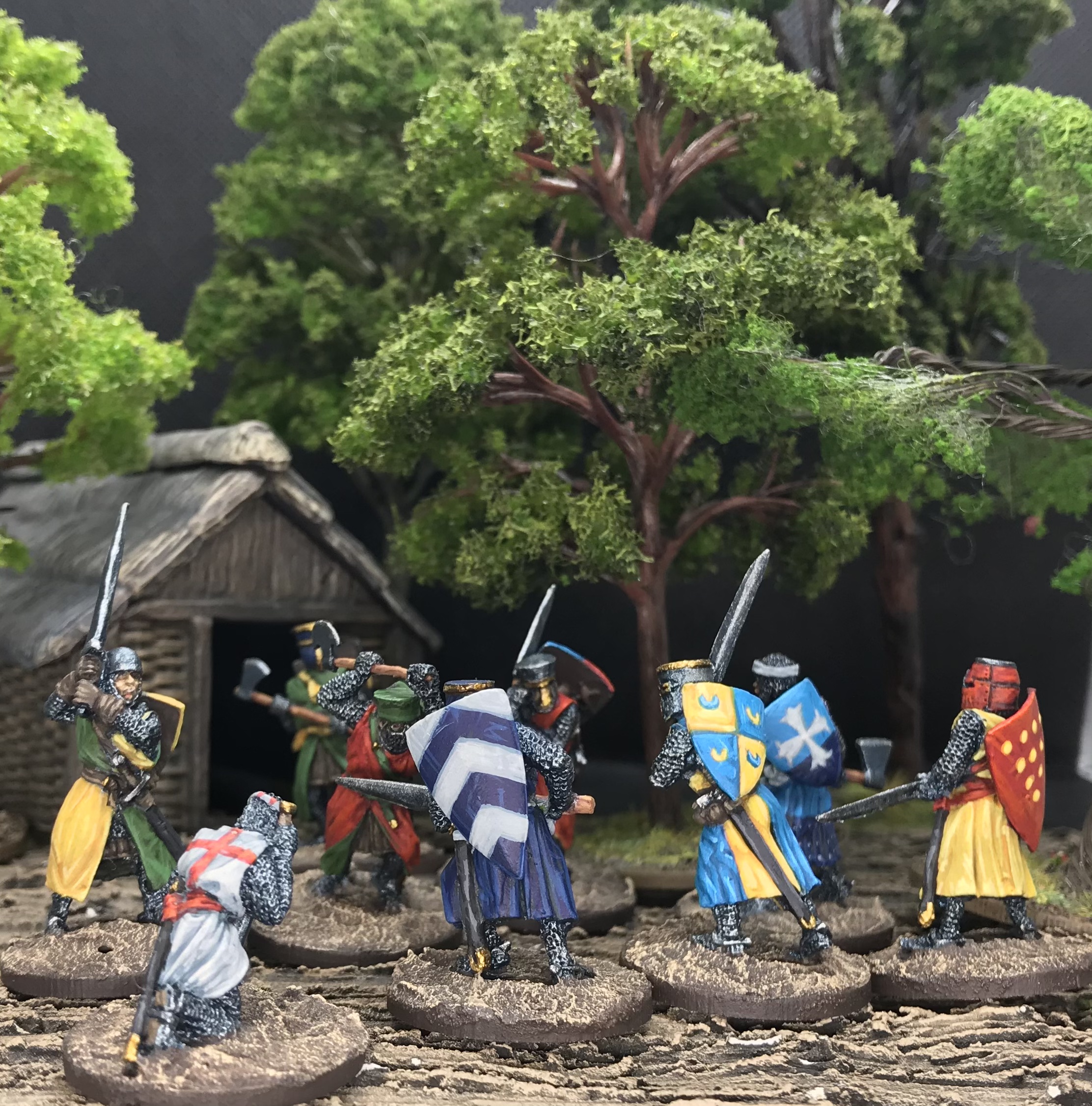
Here is all of the first wave of the Barons’ War range fully painted up and jolly please I am with the look of it. I think I have captured the look and feel of a medieval army from the early 13th century.