Google Analytics is a powerful tool that tracks and analyzes website traffic for informed marketing decisions.
Service URL: policies.google.com (opens in a new window)
_gat
Used to monitor number of Google Analytics server requests when using Google Tag Manager
1 minute
_gid
ID used to identify users for 24 hours after last activity
24 hours
_ga_
ID used to identify users
2 years
_gali
Used by Google Analytics to determine which links on a page are being clicked
30 seconds
_ga
ID used to identify users
2 years
__utmx
Used to determine whether a user is included in an A / B or Multivariate test.
18 months
__utmv
Contains custom information set by the web developer via the _setCustomVar method in Google Analytics. This cookie is updated every time new data is sent to the Google Analytics server.
2 years after last activity
__utmz
Contains information about the traffic source or campaign that directed user to the website. The cookie is set when the GA.js javascript is loaded and updated when data is sent to the Google Anaytics server
6 months after last activity
__utmc
Used only with old Urchin versions of Google Analytics and not with GA.js. Was used to distinguish between new sessions and visits at the end of a session.
End of session (browser)
__utmb
Used to distinguish new sessions and visits. This cookie is set when the GA.js javascript library is loaded and there is no existing __utmb cookie. The cookie is updated every time data is sent to the Google Analytics server.
30 minutes after last activity
__utmt
Used to monitor number of Google Analytics server requests
10 minutes
__utma
ID used to identify users and sessions
2 years after last activity
_gac_
Contains information related to marketing campaigns of the user. These are shared with Google AdWords / Google Ads when the Google Ads and Google Analytics accounts are linked together.
90 days



















![Battle It Out In The Early War With New Flames Of War Set [Updated]](https://images.beastsofwar.com/2026/10/fow-barbarossa-cover-600-338.jpg)



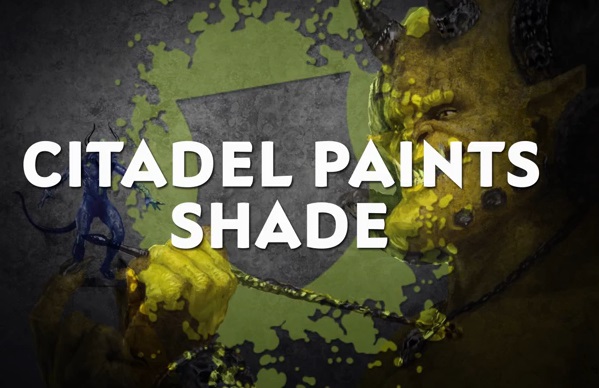
Short and to the point, for decent tabletop results… Display painting takes more care, of course.
I really love this painting tutorials, fast and easy to understand, i know they focus on citadel paints only but the techniques are valid for any other paints.
Not as entertaining as Romain’s tutorials. That’s a few minutes of my life I won’t get back.
Cool, should ensure a fresh batch of totally ruined, I mean pro painted minis on ebay soon.
There’s something that reminds me of Alan Partridge in the presentation style… Nice video tho!
Sooo, in short it’s a low gloss wash or ink? Isn’t this a form or reinventing the wheel for GW? GW used to have washes and inks in their product range, however the items were removed as they were “too difficult to use.” -Quote from the red shirt’s in Australia.
Seriously though do other painters out there use these shades/washes at step 2? I normally base coat, Dry brush, high light, then apply wash or ink. I find the wash helps to blend the colour transitions of the previous stages, hence the reasoning behind applying it later in the process.
Would be interested in the techniques used by others here. 😀
I occasionally use it as a form of base coat, so do pre shading with an airbrush, then apply a wash all over before going in with the details, worked really well with my Legion of Everblight
Well, I don’t know… I’ve been known to do highlights and shading alternately on various areas, starting with whatever makes the most sense at the time depending on the project. “Step 3” is usually the third coat for my basecoat. I have dozens of “steps” for each miniature, really. Not the same techniques, not the same purpose either !